

Why Halloween Can Be Stressful for Dogs and How to Alleviate Their Anxiety
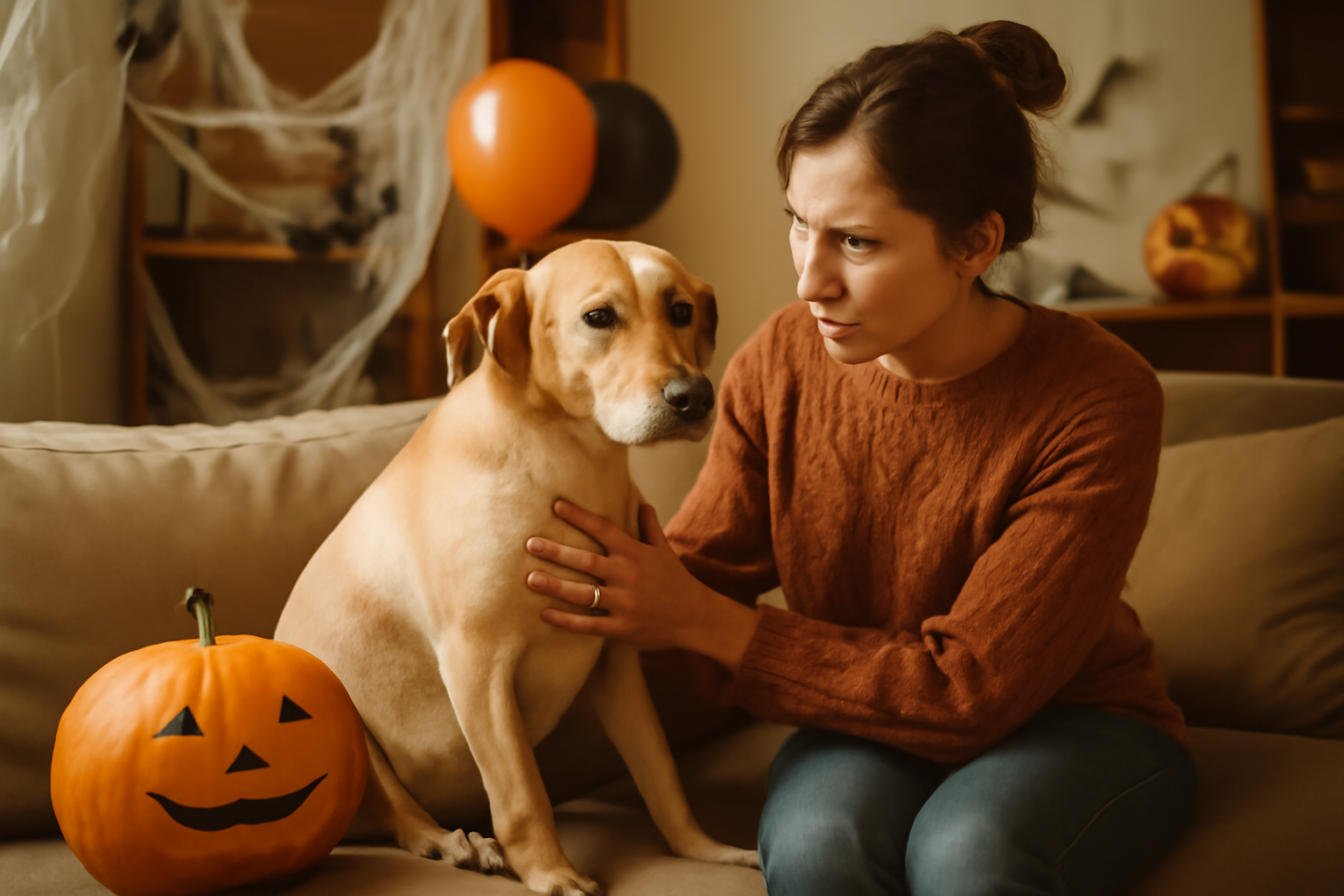
Halloween is a time of fun, costumes, and plenty of candy, but it can also be a source of stress for our furry friends. As pet parents, it's essential to recognize how the sights, sounds, and activities of this spooky season can impact our dogs' well-being. Understanding the reasons behind their anxiety is the first step to ensuring they feel safe and secure.
In this post, we'll explore the various factors that can contribute to Halloween stress in dogs and provide practical tips on how to ease their fears. From noisy trick-or-treaters to unsettling costumes, we'll cover it all so you can enjoy the festivities while keeping your pup calm and happy.
Table of Contents
- Understanding the Causes of Halloween Stress in Dogs
- Quick Diagnosis: Is Your Dog Stressed This Halloween?
- Fix It Fast: Immediate Solutions for Halloween Anxiety
- Engaging in Dog-Friendly Halloween Activities
- Halloween Precautions for Pets
- Pet-Friendly Halloween Ideas for a Stress-Free Experience
- Conclusion: Prioritize Your Dog's Comfort This Halloween
Understanding the Causes of Halloween Stress in Dogs
Before we dive into solutions, let's take a closer look at what might be causing your dog's anxiety during Halloween. Identifying these triggers is crucial for addressing the problem effectively. Essential Halloween Dog Safety Tips for a Spooktacular Celebration.
1. Unfamiliar Noises
Halloween often brings an array of loud sounds, from doorbells ringing to children laughing and screaming. For many dogs, these unexpected noises can be overwhelming and frightening. To help your dog cope with these sounds, consider the following: candy dangers for dogs.
- Sound exposure: Gradually expose your dog to similar noises in a controlled environment. Play recordings of doorbells, laughter, and other Halloween sounds at a low volume, gradually increasing as your dog becomes more comfortable.
- Create a safe space: Designate a quiet area in your home where your dog can retreat when the noise becomes too much. This space should be cozy and familiar, filled with their favorite toys and bedding.
- Use calming aids: Consider using calming music or white noise machines to help drown out the external sounds that may be causing stress.
2. Strange Costumes and Decorations
Costumes can be particularly confusing for dogs. They may not recognize familiar faces when they're obscured by masks or exaggerated outfits. Additionally, decorations such as skeletons, ghosts, and other spooky items can be alarming. To ease your dog's anxiety regarding costumes and decorations, try the following:
- Desensitization: Introduce your dog to costumes and decorations well in advance of Halloween. Allow them to sniff and explore these items in a calm environment, rewarding them with treats for positive interactions.
- Choose familiar faces: If your dog is going to be around people in costumes, ensure that familiar friends and family members wear less intimidating outfits or remove masks when interacting with your dog.
- Limit exposure: If your dog is particularly sensitive, consider keeping them in a separate room during peak trick-or-treating hours, away from the sights and sounds that may cause distress.
3. Increased Activity and Visitors
The hustle and bustle of Halloween night can create a chaotic environment. A constant influx of strangers at the door can be unsettling, especially for dogs that are naturally more reserved or anxious. To manage your dog's stress during this busy time, consider these strategies:
- Practice doorbell training: Teach your dog to remain calm when the doorbell rings. Use positive reinforcement to reward them for staying quiet and relaxed when visitors arrive.
- Establish a routine: Maintain your dog's regular schedule as much as possible, including walks, meals, and playtime. A consistent routine can help provide a sense of stability amidst the Halloween chaos.
- Provide distractions: Keep your dog occupied with engaging toys or puzzle feeders during peak visitor times. This can help redirect their focus away from the door and the commotion outside.
Quick Diagnosis: Is Your Dog Stressed This Halloween?
Recognizing the signs of stress in your dog is vital for timely intervention. Look for the following symptoms:
- Excessive barking or whining
- Hiding or seeking refuge in a safe space
- Panting or drooling more than usual
- Destructive behavior, such as chewing or digging
- Loss of appetite or reluctance to engage in play
In addition to these common signs, it's essential to observe your dog's body language for more subtle cues. Dogs communicate a lot through their posture and movements, and understanding these can help you gauge their stress levels more accurately.
Body Language Indicators
Watch for these body language signs that may indicate stress:
- Tucked tail: A tail that is tucked between the legs can be a sign of fear or anxiety.
- Ears back: If your dog's ears are pinned back against their head, this might indicate they are feeling threatened or uncomfortable.
- Wide eyes: If your dog's eyes are wide and the whites are showing, they might be feeling stressed or scared.
- Lip licking: Repeatedly licking their lips can be a sign of nervousness.
- Yawning: If your dog is yawning frequently, it could be a sign of stress rather than tiredness.
Behavioral Changes to Monitor
In addition to physical signs, pay attention to any changes in your dog's usual behavior. Here are some specific changes to look for:
- Withdrawal: If your dog suddenly becomes less social or avoids interaction with family members or other pets, it may be feeling stressed.
- Increased aggression: If your normally friendly dog begins to growl, snap, or show teeth, this could be a reaction to stress.
- Excessive grooming: Dogs may lick or chew at their paws or other areas excessively when they are anxious.
- Changes in sleep patterns: If your dog is sleeping more than usual or having trouble settling down, it may be feeling stressed.
Checklist for Stress Assessment
To help you assess your dog's stress levels, consider the following checklist:
- Observe your dog in different environments (home, outside, during Halloween events).
- Note any changes in appetite or drinking habits.
- Monitor their interactions with unfamiliar people or pets.
- Keep a journal of your dog's behavior leading up to and during Halloween.
- Consult with your veterinarian if you notice persistent signs of stress.
Addressing stress early can help your dog cope better with the Halloween festivities. By being vigilant and proactive, you can create a more enjoyable experience for both you and your furry friend during this spooky season.
Fix It Fast: Immediate Solutions for Halloween Anxiety
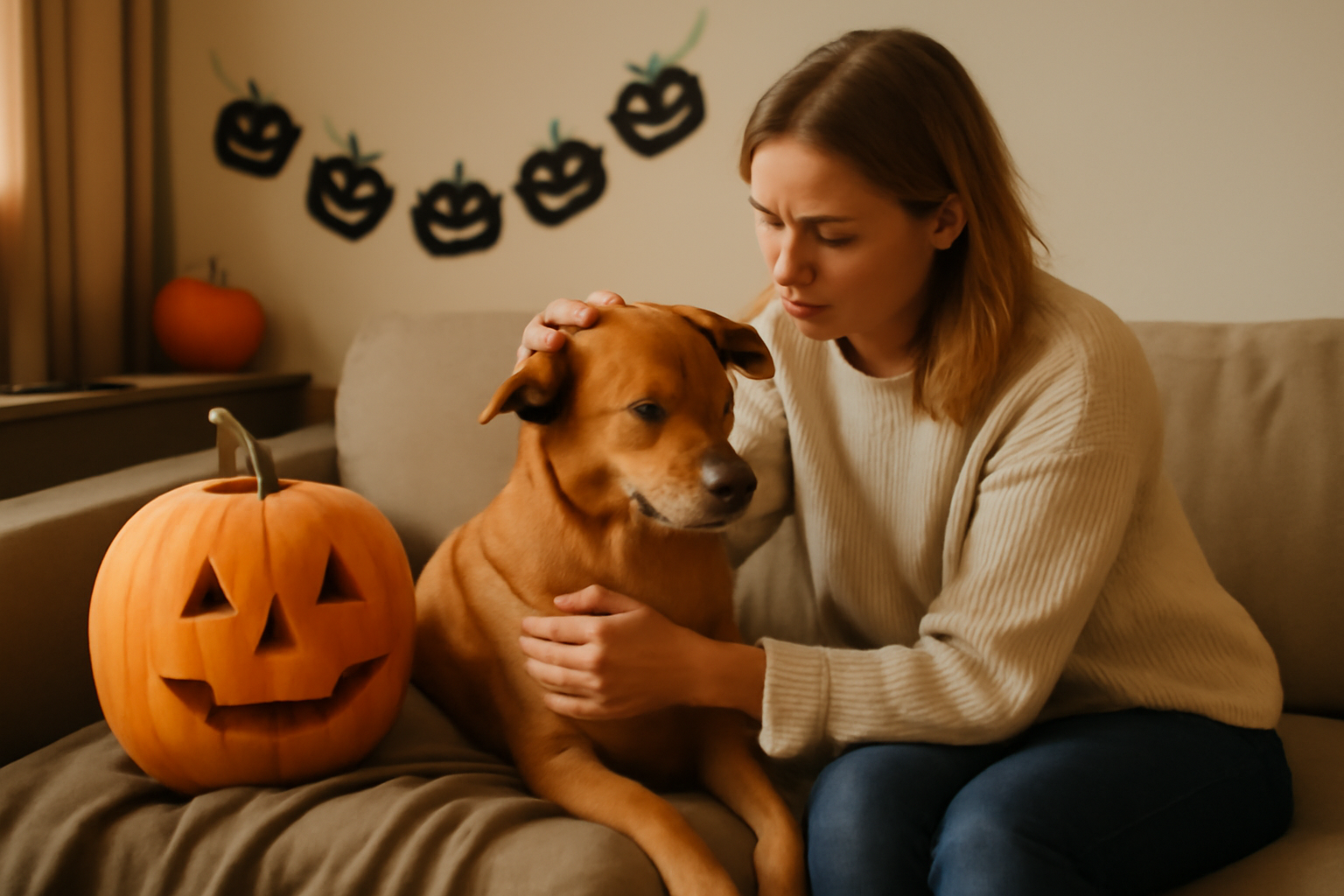
If you notice your dog exhibiting signs of stress, here are some quick fixes to help alleviate their anxiety:
1. Create a Safe Space
Designate a quiet area in your home where your dog can retreat from the Halloween chaos. Make it comfortable with their favorite blanket, toys, and some calming music. This sanctuary will provide them with a sense of security.
2. Use Calming Products
Consider investing in calming treats or anxiety wraps that can help soothe your dog during stressful times. Many pet stores offer a variety of options designed to minimize anxiety.
3. Plan Ahead for Trick-or-Treaters
If your dog is particularly sensitive, it may be wise to keep them in a separate room while trick-or-treaters come knocking. Make sure they have something to occupy their time, like a puzzle toy, to keep them distracted.
Engaging in Dog-Friendly Halloween Activities
Instead of focusing solely on avoiding stress, why not turn Halloween into a fun experience for your dog? Here are some dog-friendly Halloween activities to consider:
1. Host a Pet Costume Party
Invite fellow pet parents over for a low-key costume party that includes the dogs. Keep the group small and familiar to ensure a comfortable environment for all furry guests.
2. Create Halloween Treats
Get into the Halloween spirit by baking some Halloween-themed dog treats. Use dog-safe ingredients to whip up spooky snacks that your pup will love. This can also be a fun activity to do with your kids!
3. Go for a Festive Walk
Take your dog on a leisurely stroll around the neighborhood to enjoy the festive decorations. Make sure to keep them on a leash and be mindful of their reactions to costumes and decorations.
Halloween Precautions for Pets
While we want our dogs to enjoy the holiday, it's essential to keep some precautions in mind:
1. Keep Candy Away from Pets
Chocolate and certain candies can be toxic to dogs. Be sure to store your Halloween treats out of reach to prevent any accidental ingestion. Here are some practical steps to ensure safety:
- Designate a Safe Zone: Create a specific area in your home where candy and treats are stored, ideally in a high cabinet or pantry that your dog cannot access.
- Use Childproof Containers: If you have young children, consider using childproof containers for candy storage. This adds an extra layer of security against curious noses.
- Educate Family and Friends: Make sure everyone in your household, as well as any visitors, understands the importance of keeping candy away from your dog.
- Know the Signs of Poisoning: Familiarize yourself with the symptoms of chocolate poisoning, which include vomiting, diarrhea, rapid breathing, and seizures. If you suspect your dog has ingested something toxic, contact your veterinarian immediately.
2. Monitor Outdoor Time
With more people out and about, it's crucial to supervise your dog during outdoor time. They may be more prone to escape or react unexpectedly to strangers. Here are some tips to ensure safe outdoor experiences:
- Leash Your Dog: Always keep your dog on a leash during walks, especially around Halloween when there may be increased foot traffic and distractions.
- Choose Quiet Times for Walks: Consider walking your dog during quieter times of the day, such as early morning or late evening, to avoid the hustle and bustle of trick-or-treaters.
- Secure Your Yard: Check your yard for any gaps in the fence or areas where your dog might escape. Make sure gates are securely closed.
- Practice Commands: Reinforce basic commands like "sit," "stay," and "leave it" to help manage your dog's behavior when encountering distractions or new people.
3. Update ID Tags
In case of any mishaps, ensure your dog's ID tags are up-to-date with your current contact information. This is a good practice year-round, but especially important during busy holidays. Here are some steps to follow:
- Check Tags Regularly: Make it a habit to check your dog's ID tags every few months to ensure the information is current and legible.
- Consider Microchipping: If your dog isn't already microchipped, consider this option for added security. It provides a permanent form of identification that can't be lost or removed.
- Have a Backup Plan: Create a list of local shelters and veterinary clinics where your dog can be taken if they get lost. Keep this list handy in case of emergencies.
- Use Reflective Gear: If your dog will be outside after dark, consider using reflective collars or leashes to make them more visible to others.
Pet-Friendly Halloween Ideas for a Stress-Free Experience
To ensure your dog has a delightful Halloween, consider these additional pet-friendly ideas:
1. Halloween Movie Night
Settle in for a cozy movie night featuring family-friendly Halloween films. Snuggle up with your pup, complete with some homemade treats, to create a calming atmosphere. Choose movies that are light-hearted and entertaining, such as "It's the Great Pumpkin, Charlie Brown" or "Hocus Pocus." Create a comfy space with blankets and pillows where your dog can feel secure. Don't forget to prepare some dog-friendly snacks, like pumpkin-flavored treats or peanut butter-filled Kongs, to keep them engaged and happy throughout the night.
2. DIY Halloween Toys
Create some fun Halloween-themed toys for your dog using safe materials. A simple stuffed pumpkin toy or a tug rope can keep them entertained without the chaos of the holiday. For a stuffed pumpkin, use a soft, durable fabric and fill it with non-toxic stuffing. You can even add a squeaker inside for extra fun! For a tug rope, braid together some old t-shirts or fabric scraps in Halloween colors like orange and black. This not only provides entertainment but also allows you to recycle materials you already have at home.
3. Capture the Fun
Don't forget to take pictures of your dog enjoying the festivities! A cute costume or a fun activity makes for great memories, and documenting these moments can add to the joy of the season. Set up a mini photo booth with Halloween props like hats, scarves, and backdrops. Use treats to encourage your dog to pose, and try to capture their personality in the photos. Share these moments on social media to connect with other pet lovers and spread some Halloween cheer!
4. Create a Safe Space
With all the Halloween excitement, it's important to create a safe and quiet space for your dog. Set up a designated area in your home where they can retreat if the festivities become overwhelming. Include their favorite blanket, toys, and perhaps a calming pheromone diffuser to help reduce anxiety. This space will serve as a sanctuary where your dog can feel secure while still being part of the family fun.
5. Halloween-Themed Walks
Take your dog for a themed walk around the neighborhood to enjoy the Halloween decorations. Dress them in a festive bandana or collar to get them in the spirit. Bring along some treats to reward them for good behavior and to make the walk a fun adventure. Encourage them to explore the sights and sounds of the season while keeping an eye out for any spooky decorations that might intrigue or scare them. This can be a great way to socialize them in a controlled environment.
6. Host a Dog-Friendly Halloween Party
If your dog enjoys the company of other pets, consider hosting a small Halloween party for dogs and their owners. Invite friends with well-behaved dogs and create a fun atmosphere with dog-friendly treats and games. Set up a costume contest, and have prizes for the best-dressed pups. Ensure there are plenty of toys and space for the dogs to play, but also provide areas for them to relax if they feel overwhelmed. This way, you can celebrate the holiday while ensuring your dog has a positive experience.
7. Halloween-Themed Treats
Make or purchase Halloween-themed treats that are safe for dogs. Look for options that are made with natural ingredients and free from harmful additives. You can also bake your own dog treats using pumpkin puree, oats, and peanut butter, cutting them into fun Halloween shapes like bones or pumpkins. Remember to keep portion sizes in mind, especially if your dog is not used to rich treats, to avoid any stomach upset.
8. Keep Costumes Comfortable
If you choose to dress your dog in a costume, prioritize comfort. Select a costume that fits well and doesn't restrict movement, and always try it on before the big day to ensure your dog is comfortable wearing it. Look for materials that are soft and breathable, and avoid anything that might cause overheating. If your dog seems uncomfortable or anxious in their costume, it's best to let them go without it. You can still celebrate the spirit of Halloween with accessories like a festive collar or bandana.
By implementing these pet-friendly Halloween ideas, you can ensure that your dog enjoys the festivities while minimizing stress. A little creativity and consideration can go a long way in making this holiday a joyful experience for both you and your furry friend.
Conclusion: Prioritize Your Dog's Comfort This Halloween
Halloween doesn't have to be a stressful time for your furry friend. By understanding the causes of their anxiety and implementing the suggested solutions, you can create a more enjoyable environment for both you and your pup. Make this Halloween memorable by incorporating fun and pet-friendly activities, ensuring your dog feels loved and secure throughout the festivities.
Steps to Ensure a Stress-Free Halloween
- Assess Your Dog's Comfort Level: Before Halloween arrives, observe how your dog reacts to various stimuli such as loud noises, costumes, and unfamiliar people. This will help you gauge what might cause them stress.
- Create a Safe Space: Designate a quiet area in your home where your dog can retreat if they feel overwhelmed. This space should be cozy, with their favorite blanket, toys, and perhaps some calming music.
- Plan Ahead for Trick-or-Treaters: If your dog is not fond of strangers, consider keeping them in a separate room during peak trick-or-treating hours. Use baby gates to keep them safe while still allowing them to see and hear the festivities from a distance.
- Practice Positive Reinforcement: Reward your dog with treats and praise when they remain calm during Halloween activities. This can help them associate the event with positive experiences.
- Consider a Halloween Costume: If your dog enjoys wearing clothes, choose a comfortable and non-restrictive costume. Always do a trial run before the big day to ensure they are comfortable.
Fun and Pet-Friendly Halloween Activities
Incorporating your dog into the Halloween festivities can help them feel included and less anxious. Here are some enjoyable activities you can do together:
- Host a Dog-Friendly Costume Contest: Invite friends with dogs over for a costume party. This can be a fun way to socialize your pet in a controlled environment.
- Go on a Halloween-Themed Walk: Take your dog for a walk around the neighborhood to enjoy the decorations and costumes. This can be a great way to get them accustomed to the sights and sounds of Halloween.
- Create Halloween Treats: Bake some dog-friendly Halloween treats at home. Use pumpkin, peanut butter, or sweet potatoes to whip up tasty snacks that your dog will love.
- Set Up a Photo Booth: Create a festive backdrop and take some adorable pictures of your dog in their costume. This not only provides a fun activity but also creates lasting memories.
Common Mistakes to Avoid
While preparing for Halloween, it's crucial to be aware of common pitfalls that can add to your dog's stress:
- Ignoring Signs of Stress: If your dog shows signs of anxiety, such as hiding, barking excessively, or being destructive, don't dismiss these behaviors. Address their needs promptly.
- Forcing Costumes: Never force your dog to wear a costume if they seem uncomfortable. Always prioritize their comfort over aesthetics.
- Overstimulating Environments: Avoid exposing your dog to overly loud parties or crowded events that may overwhelm them. Keep their environment calm and controlled.
- Neglecting Routine: Maintain your dog's regular feeding and exercise schedule as much as possible. A consistent routine can help alleviate anxiety.
By taking these steps and being mindful of your dog's needs, you can ensure that Halloween is a fun and enjoyable experience for both you and your furry friend. Remember, the goal is to create a loving environment where your dog feels safe and cherished during this festive season.


