

How to how to manage dog anxiety during Halloween: Step-by-Step
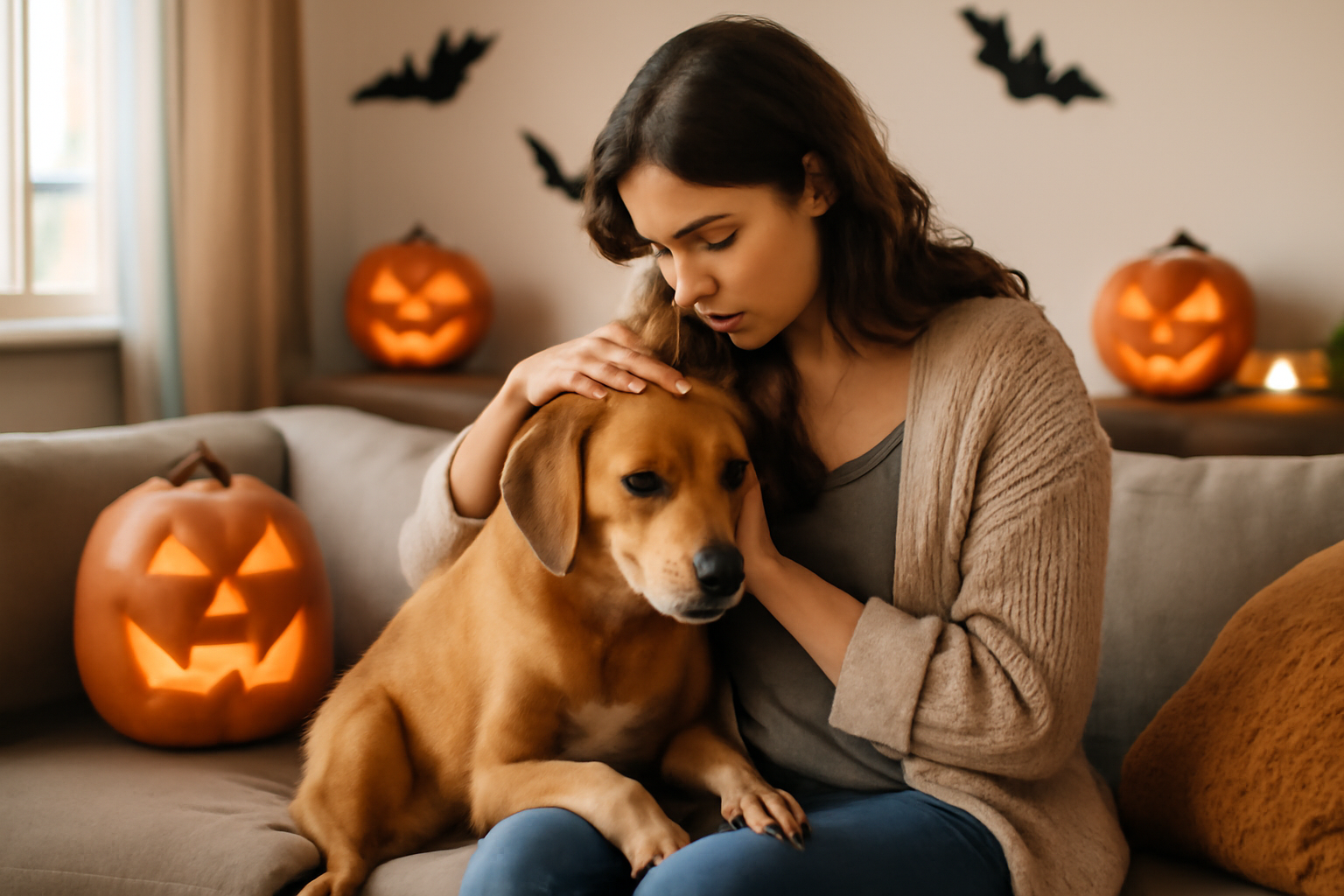
Halloween can be a spooktacular time for humans, but it might be a nightmare for our furry friends. With loud noises, strange costumes, and an influx of trick-or-treaters, many dogs experience heightened anxiety during this festive season. Thankfully, there are effective strategies to help your pet feel calm and secure while still enjoying the fun.
In this guide, we'll walk you through practical steps to manage your dog's anxiety during Halloween. From understanding their triggers to providing comforting distractions, you'll learn how to create a safe environment for your beloved pet. Let's dive into the essential techniques to ensure both you and your pup have a fabulous Halloween!
Table of Contents
- Step 1: Understand Your Dog's Triggers
- Step 2: Create a Safe Space
- Step 3: Use Calming Aids
- Step 4: Engage in Dog-Friendly Halloween Activities
- Step 5: Prepare for Halloween Festivities
- Step 6: Create a Calm Evening Routine
- Step 7: Monitor and Adjust
- Checklist for Managing Dog Anxiety During Halloween
Step 1: Understand Your Dog's Triggers
Before you can manage your dog's anxiety, it's crucial to identify what specifically causes them distress during Halloween. Common triggers include: Essential Halloween Dog Safety Tips for a Spooktacular Celebration.
- Loud noises from fireworks or parties
- Strange costumes and masks
- Increased foot traffic and unfamiliar visitors
Observe your dog's reactions in the days leading up to Halloween. Note any signs of anxiety, such as barking, hiding, or excessive panting. This awareness will help you tailor your approach to their individual needs. candy dangers for dogs.
To gain a deeper understanding of your dog's anxiety triggers, consider keeping a journal for a week or two prior to Halloween. Document specific situations that provoke anxiety and your dog's reactions. For instance, if you notice your dog becomes agitated when they hear fireworks or see children in costumes, make a note of that. This will help you create a more effective management plan.
Common Signs of Anxiety
Recognizing the signs of anxiety is essential for effective management. Here are some common behaviors to look for:
- Barking or whining: Vocalizations can indicate stress or discomfort.
- Pacing: If your dog is unable to settle down, they may be feeling anxious.
- Hiding: Seeking refuge under furniture or in a quiet space is a common response to fear.
- Destructive behavior: Chewing or scratching at furniture can be a sign of distress.
- Excessive drooling or panting: These physical signs often accompany anxiety.
Identifying Specific Triggers
After observing your dog, you may find that their anxiety is linked to specific elements of Halloween. Here are some steps to help you pinpoint these triggers:
- Monitor Environmental Changes: Pay attention to how your dog reacts to decorations, sounds, and smells leading up to Halloween. For example, if they seem uneasy around jack-o'-lanterns or spooky sounds, these may be contributing factors.
- Engage with Your Dog: Spend quality time with your dog, engaging in play or relaxation exercises. This will allow you to better gauge their comfort level in various scenarios.
- Consult with a Professional: If you're having difficulty identifying triggers, consider seeking advice from a veterinarian or a certified dog trainer. They can provide insights tailored to your dog's behavior.
Creating a Trigger Checklist
Once you've identified your dog's triggers, create a checklist to help you manage these situations effectively. Here's a sample checklist to get you started:
- ___ Loud noises (fireworks, doorbells, etc.)
- ___ Costumes (clowns, witches, etc.)
- ___ Increased number of visitors
- ___ Decorations (spooky items, flashing lights)
- ___ Unfamiliar smells (candies, pumpkins)
By keeping track of these triggers, you can prepare your dog for the Halloween season and implement strategies to minimize their anxiety.
Step 2: Create a Safe Space
Establishing a comfortable retreat for your dog can significantly reduce their anxiety. Here's how:
Select the Right Location
Choose a quiet room in your home where your dog can feel secure. Ideally, this space should be away from the front door and any noise from the street. Consider using a cozy bed or blanket to make it inviting. Make sure the room is well-ventilated and has enough natural light to keep the atmosphere uplifting. If possible, block any windows that face the street, as seeing people in costumes or hearing loud noises can increase anxiety. You can also use soundproofing techniques, such as hanging heavy curtains or placing rugs, to help muffle outside sounds.
Provide Comfort Items
Include your dog's favorite toys or a piece of your clothing to help them feel more at ease. The familiar scents can be soothing, providing a sense of security during the hustle and bustle of Halloween. You might also consider providing a special blanket or a calming dog bed that they only use during stressful times. Additionally, introducing a few interactive toys can keep your dog occupied and distracted from the noise outside. Chew toys or puzzle toys filled with treats can engage their mind and reduce anxiety. Remember to rotate these toys periodically to maintain their novelty and keep your dog interested.
Set Up a Cozy Den
Transform the chosen room into a cozy den. Use a crate or a pet tent if your dog is crate-trained, as these can provide a sense of enclosure and safety. If your dog prefers an open space, create a den-like atmosphere with blankets draped over furniture to form a snug hideaway. Ensure that the space is free from clutter and any items that could pose a risk, such as wires or small objects that could be chewed on.
Use Calming Aids
Consider incorporating calming aids to enhance your dog's safe space. Products like pheromone diffusers or calming sprays can help create a soothing environment. You can also explore natural remedies such as herbal supplements or calming treats specifically designed for dogs. These aids can help alleviate stress and make your dog feel more at ease during the Halloween festivities.
Maintain a Routine
Keeping a consistent routine can also help your dog feel more secure. Try to stick to their regular feeding and walking schedule, even on Halloween. Familiar routines provide stability and comfort, which is especially important during times of increased anxiety. If you anticipate that your dog will be stressed, plan for extra quiet time and cuddles before the festivities begin to help them feel relaxed.
Monitor and Adjust
After setting up the safe space, monitor your dog's behavior. Observe how they respond to the environment and make adjustments as necessary. If they seem restless or anxious, consider adding more comfort items or playing soft music to drown out external noises. Be patient and give your dog time to acclimate to their safe space; some may take longer than others to feel comfortable. Remember, the goal is to create an environment where your dog feels secure and can retreat whenever they need a break from the Halloween excitement.
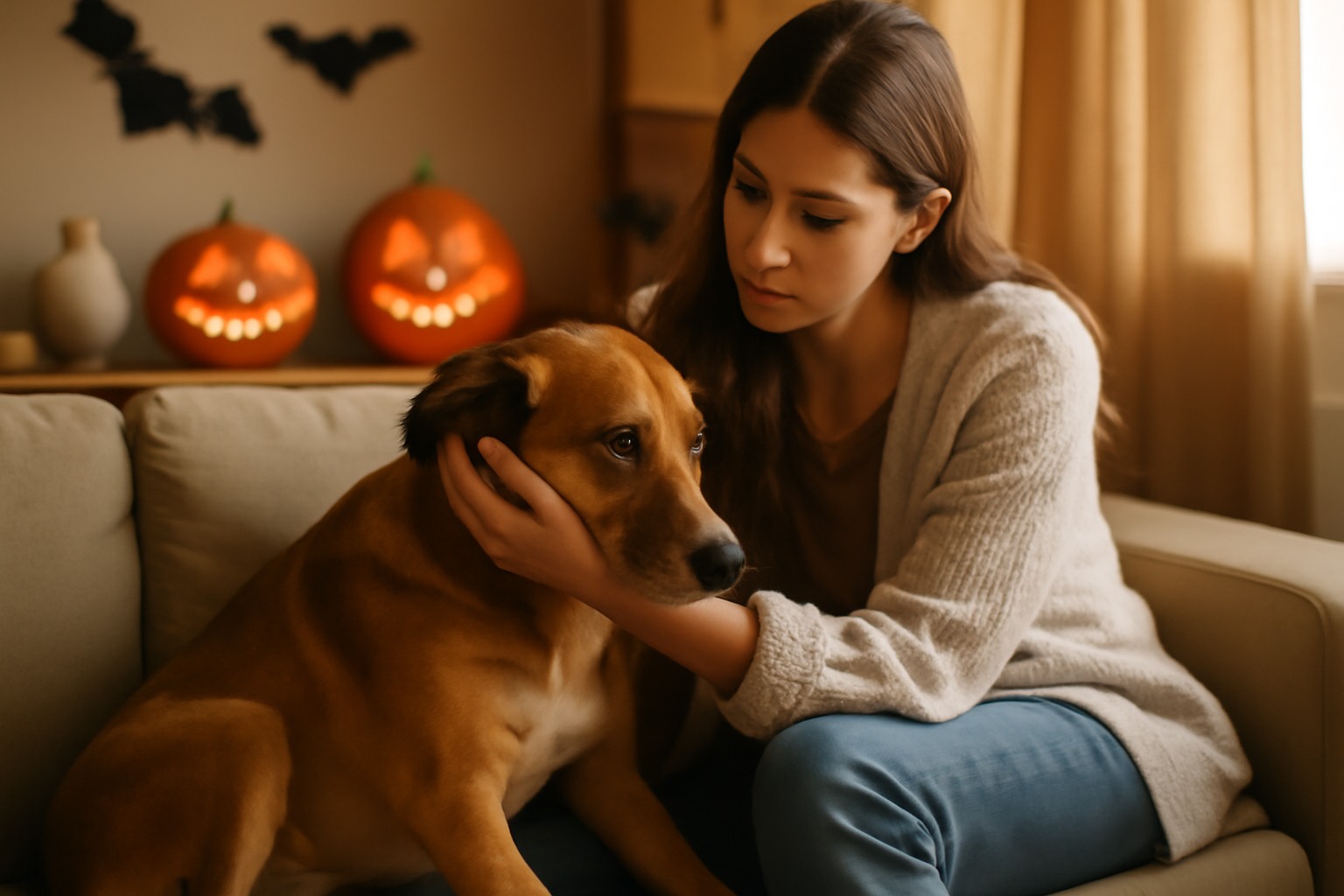
Step 3: Use Calming Aids
There are several tools available to help calm anxious dogs. Some common options include:
Calming Collars and Sprays
These products often contain ingredients like lavender or pheromones, which can promote relaxation. Apply them a few hours before the festivities begin for the best results. When selecting a calming collar or spray, look for products that are specifically designed for dogs, as they will be formulated to be safe and effective. Always follow the manufacturer's instructions regarding application and duration of use. Additionally, consider testing the product on a small area of your dog's skin first to ensure there are no adverse reactions.
Thundershirts
Thundershirts provide gentle, constant pressure to help reduce anxiety. Many dog owners report success with these products during stressful situations, including Halloween. To maximize the effectiveness of a Thundershirt, ensure it fits snugly but comfortably on your dog. You can also try to associate the shirt with positive experiences, such as treats or playtime, to help your dog feel more at ease while wearing it. For best results, put the Thundershirt on your dog at least 30 minutes before the Halloween activities begin, giving them time to adjust to the sensation.
Natural Supplements
Consult your veterinarian about natural calming supplements, such as chamomile or valerian root. These can be particularly effective in easing anxiety but should be used with professional guidance. Your vet may recommend specific brands or dosages based on your dog's size, breed, and overall health. It's essential to start these supplements a few days before Halloween to allow time for them to take effect. Additionally, keep a diary of your dog's behavior while using these supplements to track any changes and discuss them with your vet during follow-up visits.
Behavioral Aids
In addition to physical products, consider implementing behavioral aids that can help your dog cope with anxiety. Here are some strategies:
- Desensitization: Gradually expose your dog to Halloween sounds, such as doorbells, laughter, and spooky music, at a low volume. Increase the volume slowly over time to help them acclimate.
- Counter-Conditioning: Pair the sounds and sights of Halloween with positive experiences, like treats or favorite toys, to help change your dog's emotional response to these stimuli.
- Safe Space: Create a designated safe area in your home where your dog can retreat if they feel overwhelmed. This space should be comfortable, quiet, and stocked with their favorite toys and blankets.
Consulting a Professional
If your dog's anxiety is severe or persists despite using calming aids, consider consulting a professional dog trainer or a veterinary behaviorist. They can provide tailored strategies, training techniques, and may suggest a combination of behavioral therapy and medication if necessary. Remember, every dog is unique, so finding the right approach may take time and patience.
Step 4: Engage in Dog-Friendly Halloween Activities
Instead of focusing solely on the scary aspects of Halloween, consider incorporating dog-friendly Halloween activities into your plans. This not only helps alleviate your dog's anxiety but also allows you to bond and create joyful memories together. Here are a few ideas to get you started:
- Host a pet costume contest with friends, allowing dogs to socialize in a controlled environment. Make sure to have fun prizes like dog treats or toys for participants. To ensure a smooth event, consider these tips:
- Set clear rules for the contest, such as categories for best costume, most creative, and spookiest. This encourages creativity and keeps the event light-hearted.
- Provide a designated area for dogs to mingle, and supervise interactions to prevent any overwhelming situations.
- Prepare a few dog-friendly snacks and refreshments for both pets and their humans to enjoy during the contest.
- Set up a Halloween-themed scavenger hunt in your backyard, using treats your dog loves. This activity can stimulate your dog's mind and keep them engaged. Here's how to set it up:
- Choose a safe area in your yard or home where your dog can explore freely.
- Hide treats in various locations, such as under pumpkins, in Halloween-themed baskets, or behind decorations.
- Guide your dog through the hunt, encouraging them with phrases like "find it!" to make it a fun game. You can even time the hunt for added excitement!
- Take your dog on a walk in a safe area during daytime hours to enjoy the festive decorations without the chaos of trick-or-treating. This can be a great way to expose your dog to the sights and sounds of Halloween in a less stressful environment. Here are some tips for a successful walk:
- Choose a route that is well-decorated but not overly crowded. Look for neighborhoods that are known for their Halloween spirit but may not have heavy foot traffic.
- Bring along some treats to reward your dog for good behavior, especially if they encounter something that makes them nervous.
- Use a comfortable harness and leash to ensure your dog feels secure while exploring. If your dog is particularly anxious, consider using a calming vest to help them feel more at ease.
By engaging in these dog-friendly Halloween activities, you can help your furry friend feel more comfortable and included in the festivities. Remember, the goal is to create a positive experience that strengthens your bond and minimizes anxiety.
Step 5: Prepare for Halloween Festivities
As the big night approaches, it's important to be proactive. Here are some Halloween precautions for pets to consider:
Limit Exposure to Costumes and Decorations
Gradually introduce your dog to Halloween costumes and decorations before the day itself. This helps them get used to the sights and sounds. Make sure any decorations are pet-safe and won't pose a choking hazard.
Plan a Trick-or-Treat Strategy
If you expect a lot of trick-or-treaters, arrange for a family member or friend to take your dog for a walk during peak times. This way, your furry friend won't be overwhelmed by the constant ringing of the doorbell.
Step 6: Create a Calm Evening Routine
On Halloween night, establish a calming routine to help your dog relax:
Pre-Halloween Exercise
Take your dog for a good walk or play session earlier in the day. This helps release excess energy and can make them more likely to relax during the evening. Aim for at least 30 minutes of vigorous activity, whether that's a brisk walk, a game of fetch, or a visit to a dog park. If your dog enjoys agility courses or puzzle toys, incorporate those as well to mentally stimulate them.
Additionally, consider the timing of your exercise. Aim for a session in the late afternoon or early evening, allowing your dog to unwind afterward. Monitor their energy levels and adjust the duration of exercise based on their breed and age; younger dogs may require more activity, while older dogs may benefit from gentler walks.
Soothing Sounds
Consider playing calming music or using a white noise machine to drown out any frightening sounds from outside. This can help create a more peaceful atmosphere for your pet. Look for playlists specifically designed for dogs, which often feature soft instrumental music or nature sounds. You can also create a cozy space in your home where your dog can retreat, complete with their favorite blanket and toys.
To enhance the soothing environment, try to keep the lights dimmed and eliminate sudden loud noises. If your dog is particularly sensitive to sounds, consider using noise-canceling headphones designed for pets. These can help muffle outside disturbances and create a sense of security.
Establish a Safe Space
Designate a quiet area in your home as a safe haven for your dog. This space should be away from the main activities of Halloween, such as trick-or-treaters and decorations that may startle them. Use their bed or crate, and surround them with comforting items like their favorite toys and blankets.
Make this space inviting by adding treats and engaging toys that can keep them occupied. You might even consider using calming pheromone diffusers or sprays in this area to help reduce anxiety. Remember to check in on them periodically to ensure they feel secure, offering gentle reassurance and treats as needed.
Calm Down Techniques
Incorporate relaxation techniques into your evening routine. Teach your dog basic commands like "sit" and "stay," and reward them with treats for calm behavior. You can also practice deep breathing exercises yourself, as dogs often pick up on their owner's emotions. If you remain calm, it can help your dog feel more at ease.
Consider trying gentle massage techniques. Spend a few minutes massaging your dog's back, shoulders, and neck to help them relax. This not only calms them but also strengthens your bond. Look for calming dog products, such as anxiety wraps or vests, which can provide a comforting pressure that may help soothe their nerves.
Monitor Their Behavior
Keep an eye on your dog's behavior throughout the evening. Look for signs of anxiety, such as panting, pacing, or hiding. If you notice these behaviors escalating, intervene by guiding them back to their safe space or using calming techniques. Be patient and understanding, as some dogs may take longer to adjust than others.
Lastly, ensure that your dog has access to fresh water and a comfortable place to rest. This will help them feel secure and cared for, allowing them to better cope with the Halloween festivities. By creating a calming evening routine, you can help your dog navigate Halloween with less anxiety and more comfort.
Step 7: Monitor and Adjust
After implementing these strategies, keep an eye on your dog's behavior. If they continue to show signs of anxiety, it may be necessary to adjust your approach. Here are some points to consider:
- Is the safe space truly comfortable for them?
- Are the calming aids effective, or do you need to try something different?
- Have you allowed enough time for acclimatization to costumes and decorations?
Being flexible and responsive to your dog's needs is key to successfully managing their anxiety.
Assessing the Safe Space
Your dog's safe space should be a sanctuary where they feel secure and relaxed. To evaluate its effectiveness, consider the following:
- Location: Ensure the space is away from loud noises, bright lights, and foot traffic. A quiet corner or a cozy room can work wonders.
- Comfort: Provide soft bedding, favorite toys, and familiar scents. This can help create a more inviting environment.
- Accessibility: Make sure your dog can easily access their safe space whenever they need to retreat.
Evaluating Calming Aids
Calming aids can vary widely in effectiveness from dog to dog. Here's how to assess their impact:
- Observe Behavior: Watch for signs of relaxation or continued anxiety. If your dog seems less agitated, the aid may be working.
- Experiment: Don't hesitate to try different types of calming aids, such as pheromone diffusers, anxiety wraps, or calming treats. Each dog responds uniquely, so finding the right fit may take time.
- Consult a Veterinarian: If your dog's anxiety persists, consider discussing prescription options with your vet. They may recommend medications that can help ease your dog's stress during this chaotic time.
Time for Acclimatization
As Halloween approaches, it's crucial to give your dog ample time to adjust to new sights and sounds. Here's how to facilitate this process:
- Gradual Introduction: Introduce Halloween decorations and costumes slowly. Allow your dog to explore these items at their own pace, rewarding them with treats for positive interactions.
- Practice Dress Rehearsals: If your dog will wear a costume, start by letting them wear it for short periods. Gradually increase the time they spend in the costume, ensuring they associate it with fun and treats.
- Desensitization Techniques: Play recordings of Halloween sounds (like doorbells or children laughing) at a low volume while engaging in positive activities with your dog. Gradually increase the volume over time as they become more comfortable.
Being Responsive to Your Dog's Needs
Every dog is unique, and their reactions to Halloween may vary. Here are some tips to ensure you're meeting their needs:
- Regular Check-Ins: Observe your dog's body language frequently. Signs of stress include panting, pacing, or hiding. If you notice these behaviors, it may be time to adjust your approach.
- Stay Calm: Dogs can sense their owner's emotions. If you remain calm and positive, it can help reassure your pup during stressful situations.
- Adjust Strategies as Needed: If a particular method isn't working, don't hesitate to try something new. Flexibility can be your best ally in helping your dog cope.
By continuously monitoring your dog's behavior and being willing to adjust your strategies, you can help create a more enjoyable Halloween experience for both you and your furry friend. Remember, the goal is to keep your dog feeling safe and loved during this festive season!
Checklist for Managing Dog Anxiety During Halloween
- Identify triggers and signs of anxiety.
- Create a comfortable safe space.
- Utilize calming aids (collars, sprays, Thundershirts).
- Engage in dog-friendly Halloween activities.
- Implement Halloween precautions for pets.
- Establish a calming evening routine.
- Monitor your dog's behavior and adjust as necessary.
In conclusion, managing dog anxiety during Halloween requires thoughtful preparation, understanding, and a little creativity. By implementing these steps, you can create a safe and enjoyable environment for your furry friend while still participating in the fun of Halloween festivities for dogs. Take the first step today by assessing your dog's triggers and creating a cozy safe haven for them on this spooky night!


