

Essential Halloween Dog Safety Tips for a Spooktacular Celebration
The leaves are falling, the air is crisp, and Halloween is just around the corner! As dog parents, it's essential to ensure that our furry companions stay safe and sound during this festive season filled with excitement and spooky surprises. From trick-or-treaters to costumes, there are several aspects to consider to keep your pup happy and healthy.
This comprehensive guide will walk you through the most important Halloween dog safety tips, helping you navigate potential hazards while ensuring your four-legged friend enjoys the festivities just as much as you do. Let's dive in and ensure a howling good time this Halloween!
Table of Contents
Understanding Halloween Hazards for Dogs
Halloween can be a fun time, but it comes with its own set of dangers for our canine companions. Being aware of these potential hazards will help you prepare and protect your furry friend.
1. Candy and Treats
One of the most significant hazards during Halloween is candy. Chocolate, in particular, is toxic to dogs, and many types of candy contain xylitol, a sweetener that can cause serious health issues. It's crucial to keep all Halloween treats out of your dog's reach.
2. Costumes and Accessories
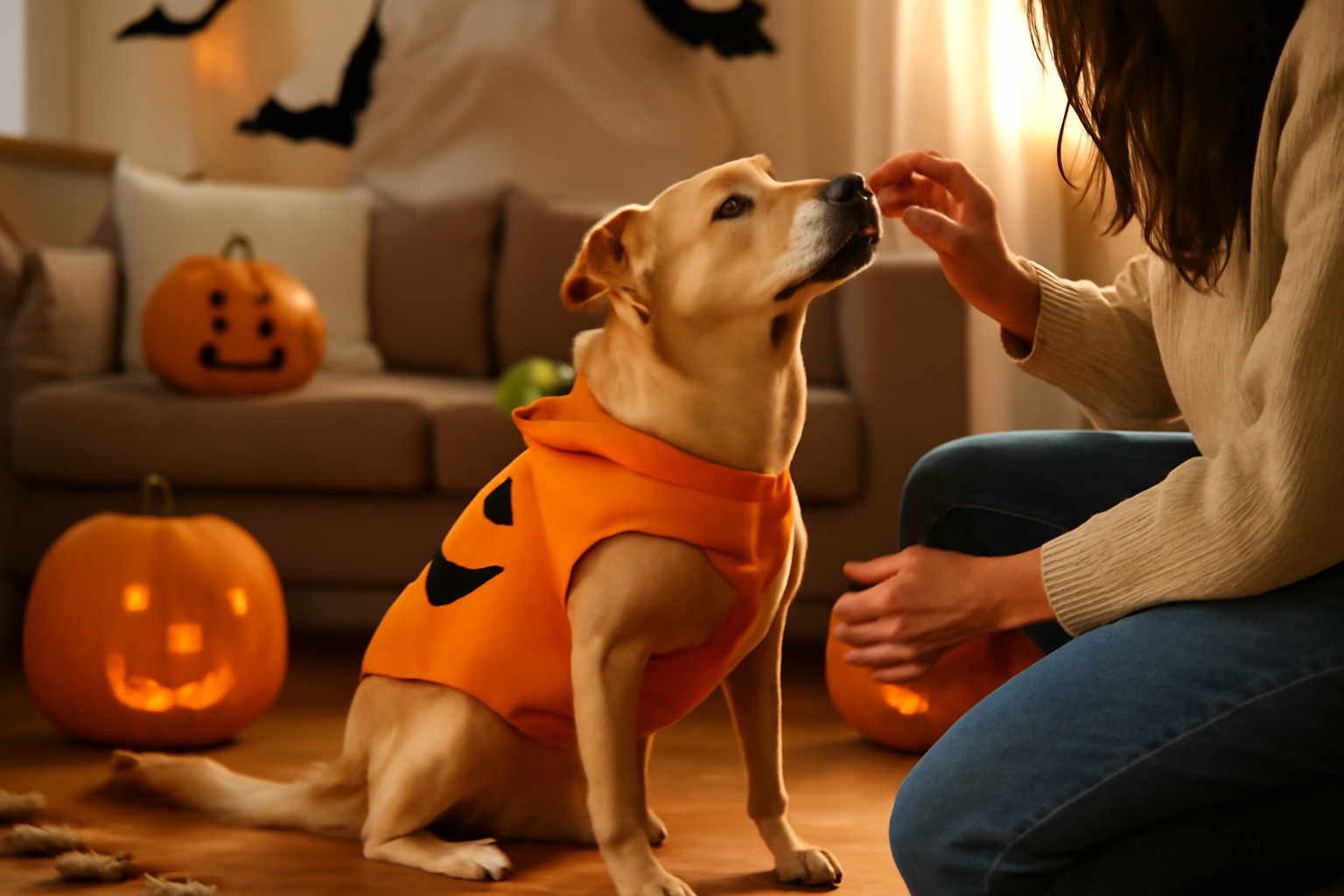
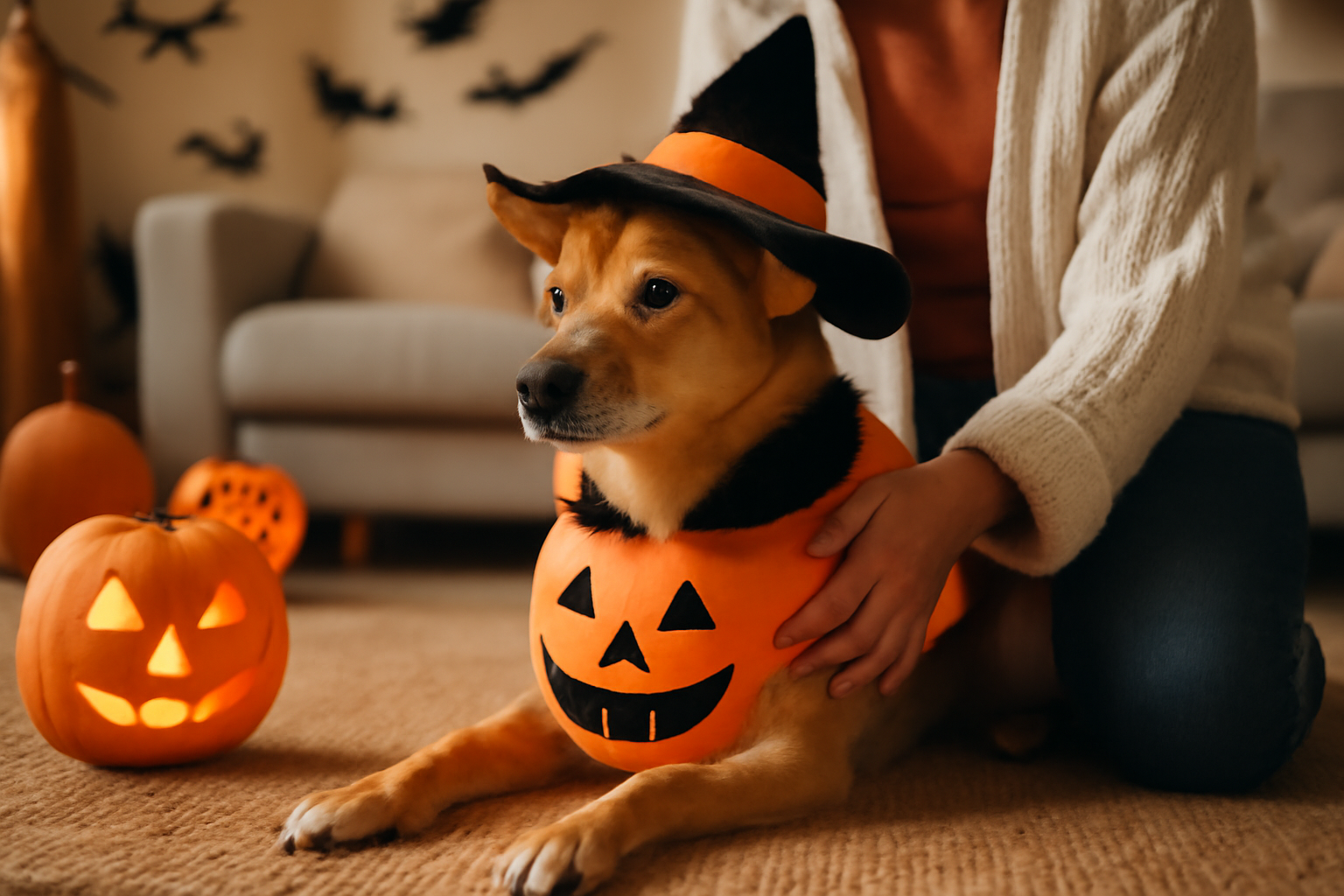
While dressing your dog in a cute costume can be fun, not all dogs are comfortable wearing outfits. If you choose to dress your pup up, make sure the costume is safe, fits well, and doesn't restrict movement or breathing. Keep an eye on them to ensure they don't try to chew on or swallow any parts of the costume.
3. Decorations and Props
Halloween decorations can pose a risk to your dog if they are chewed on or ingested. Items like fake cobwebs, plastic spiders, and other small trinkets can lead to choking hazards or intestinal blockages. Be mindful of where you place decorations to avoid tempting your curious canine.
Preparing Your Home for Halloween
Creating a safe environment for your dog during Halloween festivities starts at home. Here are some tips to ensure your space is ready for the occasion.
1. Secure Your Treats
Store all Halloween goodies in cabinets or containers that your dog cannot access. This will help prevent any accidental snacking on harmful treats.
2. Create a Safe Space
If your dog is anxious or reactive to loud noises or visitors, consider setting up a safe space for them away from the front door. This could be a quiet room with their favorite toys and a cozy blanket. Make sure they have access to water and a comfortable area to relax during the festivities.
3. Use Pet-Friendly Decorations
When decorating, opt for pet-friendly items. Avoid anything that could easily be knocked over or ingested. Consider using non-toxic, dog-safe decorations that won't pose a risk to your furry friends.
Managing Trick-or-Treaters
With the influx of trick-or-treaters, your dog may feel a mix of excitement and anxiety. Here's how to manage the situation.
1. Supervise Interactions
If your dog is friendly and enjoys meeting people, supervise their interactions with trick-or-treaters. Make sure that your dog is on a leash to prevent any unexpected jumps or excitement.
2. Use a Baby Gate
To keep your dog contained and safe while still allowing them to observe the festivities, set up a baby gate at the entrance of your home. This way, they can see what's happening without risking escape or unwanted interactions.
3. Train a Solid 'Stay' Command
Before Halloween, practice the 'stay' command with your dog. This will help them remain calm and in one place when visitors arrive, reducing the chances of them bolting out the door.
Recognizing Signs of Stress in Dogs
As a responsible dog owner, it's essential to recognize when your furry friend is feeling overwhelmed. Look out for these signs of stress:
1. Excessive Barking
If your dog is barking more than usual, it may be a sign of anxiety or fear. Take note of their behavior, and be prepared to give them a break in a quiet area. Consider the context of the barking: is it triggered by specific noises, people, or events? Understanding the cause can help you address the issue effectively.
To help manage excessive barking:
- Identify Triggers: Keep a journal of when your dog barks excessively to identify patterns and triggers.
- Provide Distractions: Engage your dog with toys or activities that can redirect their focus away from stressors.
- Use Calming Aids: Explore calming collars or pheromone diffusers designed to reduce anxiety in dogs.
2. Hiding or Cowering
If your dog seeks out a hiding spot or appears to be cowering, it's crucial to respect their need for space. Encourage them to relax in their safe zone. This behavior is often a natural response to feeling threatened or scared.
Here are some ways to support your dog during these moments:
- Create a Safe Space: Designate a cozy area in your home with their bed, blankets, and favorite toys where they can retreat when feeling stressed.
- Use Positive Reinforcement: When your dog comes out of hiding, reward them with treats and praise to reinforce positive behavior.
- Avoid Forcing Interaction: Allow your dog to come to you when they're ready instead of forcing them out of their safe space, as this can increase their anxiety.
3. Panting or Whining
Panting or whining can indicate stress. If you notice these signs, provide comfort and reassurance to your dog, and consider reducing their exposure to stressful stimuli. It's important to differentiate between normal panting due to exercise and panting caused by anxiety.
To help alleviate stress-related panting or whining:
- Stay Calm: Your demeanor can influence your dog's behavior. Remain calm and soothing to help them feel secure.
- Practice Relaxation Techniques: Engage in gentle massage or use calming music to create a serene environment for your dog.
- Consult a Professional: If the behavior persists, consider consulting a veterinarian or a professional dog trainer for additional strategies.
4. Changes in Body Language
Pay attention to your dog's body language. Signs such as tucked tails, raised hackles, or stiff posture can indicate stress. Understanding these signals is crucial for effective communication with your pet.
To interpret and respond to body language:
- Observe Ears and Tail: Ears pinned back and a tail tucked between the legs often signal fear, while a wagging tail can indicate excitement or happiness, depending on the context.
- Watch for Avoidance: If your dog turns their head away or avoids eye contact, they may be feeling overwhelmed. Give them space to calm down.
- Recognize Subtle Signs: Small changes like lip licking or yawning can also indicate stress, even if your dog is not exhibiting more obvious signs.
5. Loss of Appetite
A sudden loss of appetite can be a significant indicator of stress in dogs. If your usually eager eater shows disinterest in food, it may be time to evaluate their emotional state.
To address loss of appetite:
- Check for Health Issues: Consult your veterinarian to rule out any medical conditions that may be affecting your dog's appetite.
- Maintain a Routine: Keeping feeding times consistent can provide a sense of stability for your dog.
- Introduce New Foods Gradually: If you're considering changing their diet, do so slowly to avoid additional stress.
Recognizing these signs of stress can help you better support your dog during challenging times, especially around Halloween when the environment can be particularly overwhelming. By being proactive and attentive, you can create a safe and comforting atmosphere for your furry friend.
Halloween Dog Safety Tips for Outdoor Adventures
If you plan to take your dog out for Halloween festivities, keep safety in mind with these tips:
1. Use a Leash
Always use a leash when taking your dog out, especially in crowded areas. This will keep them safe from potential dangers and help you maintain control. A sturdy leash not only prevents your dog from running off but also protects them from unexpected encounters with other dogs or people. Consider using a leash that is at least six feet long to give your dog some freedom while still keeping them secure.
- Tip: Practice leash training ahead of time if your dog is not accustomed to walking on a leash.
- Common Mistake: Avoid using retractable leashes in crowded areas, as they can lead to tangles and loss of control.
2. Reflective Gear
Ensure your dog is visible in the dark by using reflective gear. A light-up collar or reflective leash can help keep your pup safe while out on Halloween night. Additionally, consider attaching reflective tags to their collar for extra visibility. You can also find dog costumes that incorporate reflective materials, allowing your furry friend to look festive while staying safe.
- Tip: Test the reflective gear during the day to ensure it works well in low-light conditions.
- Common Mistake: Don't rely solely on reflective gear; always keep an eye on your dog, especially in busy areas.
3. Avoid Crowded Events
If your dog is not comfortable in large crowds, consider skipping busy events. Instead, opt for quieter, dog-friendly gatherings where your pup can enjoy the festivities without feeling overwhelmed. Look for local parks or community events that welcome pets, and try to go during off-peak hours when there are fewer people around.
- Tip: Bring along a favorite toy or treat to help keep your dog calm and engaged in a new environment.
- Common Mistake: Don't assume all dogs are social; always gauge your dog's comfort level before attending an event.
4. Be Mindful of Costumes
If you plan to dress your dog in a costume, ensure it is safe and comfortable. Costumes should not restrict their movement, vision, or ability to breathe. Look for lightweight materials and avoid anything that could easily come off or get caught on something.
- Tip: Try the costume on your dog before Halloween to see how they react. Give them time to adjust and ensure they can walk and play comfortably.
- Common Mistake: Avoid costumes with small parts that could be chewed off and swallowed.
5. Keep Treats Out of Reach
Halloween is known for its sweets, but many treats can be harmful to dogs. Chocolate, xylitol (a sweetener found in many candies), and certain nuts are toxic to dogs. Ensure that all Halloween treats are kept out of reach and educate your friends and family about what is safe for your dog.
- Tip: Consider making dog-friendly treats to share with your furry friend during the festivities.
- Common Mistake: Don't assume that all human foods are safe for dogs; always double-check before sharing.
6. Plan for Fireworks and Noises
Halloween festivities may include fireworks or loud noises that can scare dogs. If your dog is anxious around loud sounds, create a safe space at home where they can retreat. Bring in their favorite blankets, toys, and perhaps some calming music to help soothe them during the celebrations.
- Tip: Consider using anxiety wraps or calming sprays that can help reduce stress during noisy events.
- Common Mistake: Don't leave your dog outside during fireworks; always keep them indoors where they feel safe.
7. Hydration and Breaks
When out and about, ensure your dog stays hydrated, especially if you're walking for extended periods. Bring a portable water bowl and take breaks to let your dog rest and drink water. This is particularly important if you're out during warm weather.
- Tip: Look for pet-friendly establishments where you can take breaks if you're out for a long time.
- Common Mistake: Don't forget to monitor your dog for signs of exhaustion or overheating, such as excessive panting or drooling.
Plan for Emergencies
Even with the best precautions, accidents can happen. Have a plan in place in case of emergencies:
1. Know Your Vet
Familiarize yourself with your local veterinarian's contact information. In case of an emergency, you want to know where to go for help quickly. Consider saving your vet's phone number in your mobile device and posting it prominently at home. Additionally, research nearby emergency veterinary clinics and their hours of operation, as some may not be available 24/7. Having this information at your fingertips can save precious time in a crisis.
2. First Aid Kit
Prepare a pet first aid kit that includes necessary items like bandages, antiseptic wipes, and any medications your dog may need. This will help you respond promptly if your dog gets injured. Here's a checklist of essential items to include in your kit:
- Adhesive bandages in various sizes
- Gauze pads and adhesive tape
- Antiseptic wipes or solution
- Hydrogen peroxide (for cleaning wounds)
- Tweezers (for removing splinters or ticks)
- Scissors (for cutting bandages or tape)
- Disposable gloves (to keep the area sterile)
- Muzzle (to prevent biting if your dog is in pain)
- Emergency contact card with vet information and any allergies
Regularly check your first aid kit to replace expired items and ensure it's fully stocked. Being prepared can make all the difference in a stressful situation.
3. Monitor Your Dog
Keep a close eye on your dog during Halloween festivities. Being vigilant can help you catch any potential issues before they escalate. Here are some practical tips to help you monitor your pup effectively:
- Designate a "safe zone" where your dog can retreat if they feel overwhelmed. This could be a quiet room with their bed and favorite toys.
- Limit your dog's exposure to loud noises and large crowds. Consider using calming products like anxiety wraps or pheromone diffusers.
- Keep a leash handy to ensure you can quickly secure your dog if they become agitated or excited.
- Watch for signs of stress, such as panting, hiding, or excessive barking, and be ready to intervene if needed.
By staying attentive, you can help ensure your dog has a safe and enjoyable Halloween experience.
Post-Halloween Care
After the spooky celebrations, ensure your dog is feeling their best. Here are some ways to care for them post-Halloween:
1. Check for Allergies
Keep an eye on your dog for any signs of allergies or upset stomach after Halloween. If they managed to sneak any treats, monitor them closely and consult your vet if necessary. Common symptoms to watch for include:
- Excessive scratching or licking
- Red or inflamed skin
- Vomiting or diarrhea
- Difficulty breathing or swelling
If you notice any of these symptoms, it's important to take action promptly. Keep a record of what your dog has eaten and when symptoms appeared, as this information can be helpful for your veterinarian. In case of severe reactions, such as swelling or difficulty breathing, seek emergency veterinary care immediately.
2. Revisit Training
After Halloween, revisit any training commands or behaviors that may have slipped due to excitement. This will help reinforce good behavior moving forward. Here are some practical steps to guide you:
- Set aside training time: Dedicate a few minutes each day to practice basic commands like sit, stay, and come. Use treats or toys as positive reinforcement.
- Practice impulse control: Use situations that might excite your dog, like a doorbell ring or someone at the window, to reinforce calm behavior. Reward them for staying calm and not barking or jumping.
- Socialization: If your dog was exposed to a lot of people during Halloween, make sure to continue socializing them in controlled environments to maintain their comfort level around strangers.
Remember, consistency is key. Short, frequent training sessions are often more effective than longer, infrequent ones. Celebrate small victories to keep your dog motivated!
3. Plan a Relaxing Day
After the hustle and bustle of Halloween, plan a relaxing day for your dog. Spend some quality time together, perhaps with a favorite toy or a cozy cuddle session on the couch. Here are some ideas to make the day special:
- Nature walk: Take your dog for a leisurely stroll in a quiet park or around your neighborhood. Let them sniff and explore at their own pace.
- Interactive play: Engage in gentle play with their favorite toys. Puzzle toys or treat-dispensing toys can keep them occupied and mentally stimulated without too much exertion.
- Calm environment: Create a serene atmosphere at home. Consider playing soft music or using a calming diffuser with dog-safe essential oils to help your pet relax.
- Grooming session: Spend some time brushing your dog. This not only helps with shedding but also provides an opportunity for bonding and relaxation.
By dedicating time to unwind together, you can help your dog recover from the excitement of Halloween while reinforcing your bond. Remember, a happy dog is a well-cared-for dog!
Conclusion: Safe and Happy Halloween for Your Pup
By following these Halloween dog safety tips, you can ensure that your furry friend enjoys the festivities without any unnecessary stress or danger. With a little preparation and attention, you can create a fun, safe, and memorable Halloween for both you and your beloved pup. Remember, a happy dog is a safe dog, so embrace the spirit of the season while keeping their well-being as your top priority!
Final Checklist for Halloween Safety
- Ensure all candy and treats are out of reach.
- Keep costumes simple and comfortable for your dog.
- Check your dog's ID tags and microchip information.
- Designate a safe space for your dog away from the doorbell and commotion.
- Have a plan for emergency situations, including vet contact information.
Common Mistakes to Avoid
Even the most well-intentioned pet parents can make mistakes during Halloween. Here are some common pitfalls to watch out for:
- Leaving candy unattended: Dogs are curious creatures, and they can easily sniff out candy. Even if you think it's out of reach, it's better to be safe than sorry.
- Forgetting to check costumes: If your dog is wearing a costume, make sure it fits properly. Costumes that are too tight or have small parts can cause discomfort or choking hazards.
- Ignoring your dog's behavior: If your dog seems anxious or stressed, it's important to listen to their cues. Don't force them to participate in activities that make them uncomfortable.
Creating a Fun Halloween Atmosphere
Halloween can be a delightful time for your pup, especially with a little creativity. Here are some ideas to enhance the fun while keeping safety in mind:
- Dog-Friendly Treats: Bake or buy Halloween-themed dog treats. Pumpkin-flavored goodies or peanut butter cookies shaped like ghosts can be a hit!
- Decorate Safely: Use pet-safe decorations. Avoid items that can be easily knocked over or ingested, such as small pumpkins or tinsel.
- Host a Dog Costume Contest: If you have friends with dogs, consider hosting a costume contest. This not only provides fun but also creates a social atmosphere for your pup.
Remember the Spirit of Halloween
While safety is paramount, don't forget to enjoy the spirit of Halloween with your furry companion. Take photos of your pup in their costume, share them with friends, and create lasting memories. Find joy in the little moments, whether it's a fun walk through the neighborhood or cuddling up on the couch with a spooky movie. Your dog can sense your happiness, and that will make this Halloween special for both of you!
- How-to: how to keep dogs safe on Halloween (coming soon)
- How-to: tips for Halloween dog safety (coming soon)
- How-to: how to prepare your dog for Halloween (coming soon)
- How-to: how to manage dog anxiety during Halloween (coming soon)
- Problem / Fix: common Halloween dog safety mistakes (coming soon)
- Problem / Fix: why Halloween can be stressful for dogs (coming soon)
- Problem / Fix: fixing Halloween dog safety issues (coming soon)
- Comparison: Halloween dog safety tips vs regular pet safety (coming soon)
- Comparison: beginner vs advanced Halloween dog safety techniques (coming soon)
- Scenario: Halloween dog safety tips for new pet owners (coming soon)
- Scenario: Halloween safety for dogs in busy neighborhoods (coming soon)
- Buyer decision: how to choose Halloween costumes for dogs (coming soon)
- Buyer decision: what to consider for Halloween dog safety (coming soon)
- FAQ: a checklist for Halloween dog safety (coming soon)
- FAQ: is Halloween dog safety necessary? (coming soon)


