

How to Keep Dogs Safe on Halloween: A Step-by-Step Guide
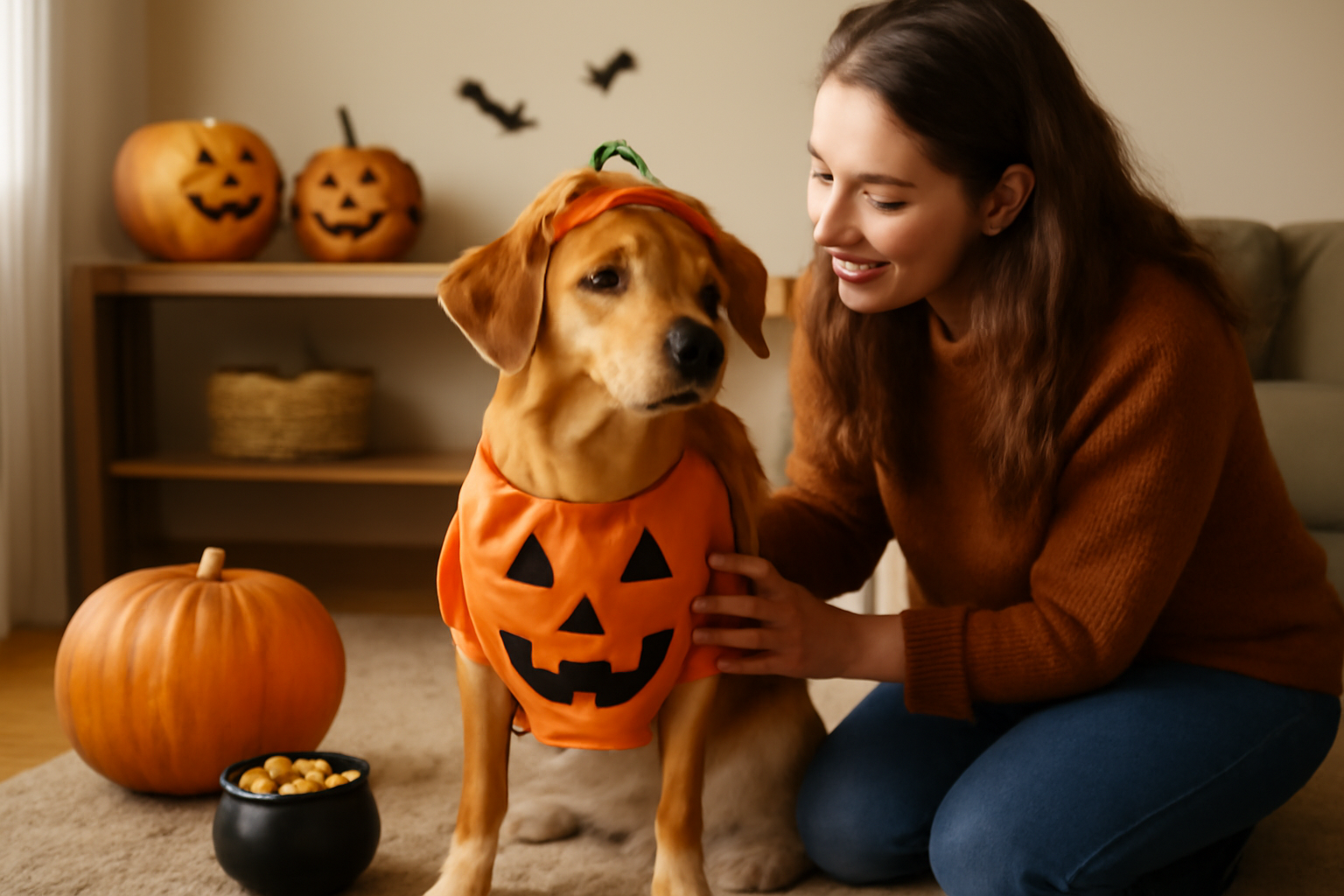
Halloween is a time for spooky fun, but it can pose unique hazards for our furry friends. With costumes, candy, and strangers ringing the doorbell, it's essential to take precautions to ensure your dog stays safe and happy during the festivities. This guide will walk you through practical steps to protect your pup while still enjoying the Halloween spirit.
From keeping them away from harmful treats to finding dog-friendly Halloween activities, this post will cover everything you need to know. Let's dive into the essentials!
Table of Contents
- Step 1: Prepare for Halloween Visitors
- Step 2: Keep Candy and Treats Out of Reach
- Step 3: Consider Their Costume
- Step 4: Keep Decorations Pet-Friendly
- Step 5: Plan Dog-Friendly Activities
- Step 6: Keep Your Dog's ID Updated
- Step 7: Create a Relaxation Plan
- Checklist for Keeping Dogs Safe on Halloween
- Conclusion
Step 1: Prepare for Halloween Visitors
One of the biggest changes to your home during Halloween is the influx of visitors. Here's how to keep your dog calm and safe: Essential Halloween Dog Safety Tips for a Spooktacular Celebration.
1. Create a Safe Space
Designate a quiet area in your home where your dog can retreat when the doorbell rings. This could be a cozy room with their bed, toys, and some calming music. Make sure the area is free of any decorations that could be hazardous, like wires or small items that might be chewed.
2. Use Baby Gates
Consider using baby gates to restrict your dog's access to the front door. This helps prevent them from darting out as soon as the door opens, reducing the risk of escape or confrontation with visiting trick-or-treaters.
Step 2: Keep Candy and Treats Out of Reach
Candy is a Halloween staple, but many treats are toxic to dogs. Here's how to keep them safe:
1. Store Candy Securely
Ensure that all candies are stored in high cabinets or containers that your dog can't access. Chocolate, in particular, is highly toxic to dogs, so be extra vigilant about where it's placed.
2. Educate Your Guests
Let your guests know not to feed your dog any treats during their visit. It's essential to maintain a consistent message to avoid any accidental ingestion of harmful sweets.
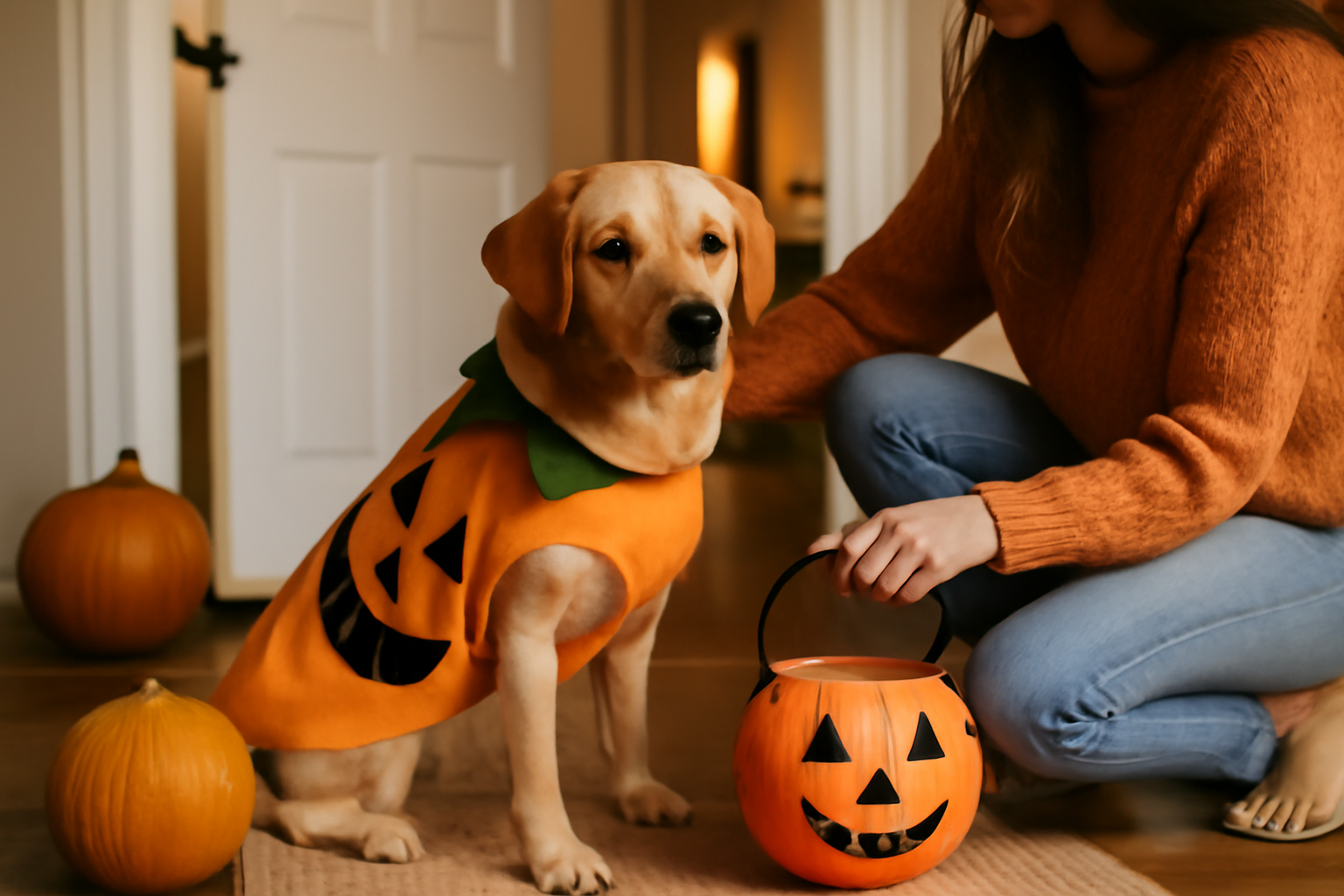
Step 3: Consider Their Costume
If you plan on dressing your dog up for Halloween, there are several factors to consider:
1. Choose a Comfortable Costume
Make sure the costume fits well and doesn't restrict your dog's movement, breathing, or ability to see. Avoid accessories that could be easily chewed or swallowed. Here are some tips to ensure comfort:
- Measure Your Dog: Take accurate measurements of your dog's chest, neck, and length from neck to tail. This will help you find a costume that fits perfectly.
- Opt for Breathable Fabrics: Choose materials that are lightweight and breathable to prevent overheating, especially if your dog will be wearing the costume for an extended period.
- Check for Choking Hazards: Avoid costumes with small parts or embellishments that your dog could chew off and swallow. Stick to simple designs that won't pose a risk.
- Test the Costume: Before Halloween, have a trial run. Dress your dog in the costume for short periods and observe their behavior. If they seem to enjoy it, great! If not, consider a different style.
2. Monitor Them
Keep an eye on your dog while they're in costume. Some dogs may become distressed or agitated in clothing, so be ready to remove the costume if they seem uncomfortable. Here are some ways to effectively monitor your pup:
- Observe Body Language: Look for signs of discomfort such as whining, pacing, or trying to remove the costume. If you notice any of these behaviors, it's best to take the costume off.
- Limit Time in Costume: Don't keep your dog in their costume for too long. Plan for breaks where they can relax and be themselves without any attire.
- Stay Close: If you're attending a Halloween event, keep your dog close to you. This way, you can quickly respond if they seem overwhelmed or anxious.
- Provide Positive Reinforcement: If your dog is handling the costume well, reward them with treats or praise. This can help create a positive association with wearing costumes.
3. Consider Their Personality
Every dog has a unique personality, and this can greatly influence how they react to wearing a costume. Here are some considerations:
- Outgoing Dogs: If your dog is social and enjoys being the center of attention, they might love dressing up and showing off their costume.
- Shy or Nervous Dogs: If your dog tends to be timid, it's best to choose a costume that is less restrictive and more familiar, like a simple bandana or themed collar.
- Active Dogs: For dogs that are always on the move, opt for costumes that are not only comfortable but also allow them to run and play freely without getting tangled.
4. Safety First
While costumes can be fun, safety should always come first. Consider the following:
- Visibility: If you're trick-or-treating after dark, ensure your dog's costume has reflective elements or add a light-up collar to keep them visible to drivers and other pedestrians.
- Identification: Make sure your dog is wearing a collar with an ID tag that includes your contact information. This is crucial in case they get lost amidst the Halloween festivities.
- Avoid Masks: While they can be cute, masks can obstruct your dog's vision and breathing. If you want a mask look, consider face paint or safe pet-friendly makeup instead.
Step 4: Keep Decorations Pet-Friendly
Halloween decorations can be a source of excitement or danger for dogs. Here's how to decorate safely:
1. Avoid Toxic Plants
Many Halloween plants, like pumpkins and gourds, are safe, but others can be toxic. Make sure any decorations are non-toxic and out of reach. Here's a quick checklist of common Halloween plants to avoid:
- Autumn Crocus: Highly toxic and can cause severe gastrointestinal issues.
- English Ivy: Can lead to vomiting and abdominal pain if ingested.
- Amaryllis: Known to cause lethargy and gastrointestinal distress.
- Holly: Berries can be toxic and cause nausea, vomiting, and diarrhea.
Instead, opt for pet-safe decorations such as:
- Artificial pumpkins and gourds made from non-toxic materials.
- Silk flowers that mimic autumn blooms without the risk.
- Non-toxic, biodegradable decorations that are safe for curious noses.
2. Secure Wires and Lights
If you're using electrical decorations, ensure that all wires are secured and not accessible to your dog. Chewing on electrical cords can lead to serious injuries. Follow these steps to keep your wiring safe:
- Use Cord Covers: Invest in cord covers that can protect wires from being chewed. These are often made of durable materials that dogs find unappealing.
- Route Wires Wisely: Run wires along walls or under furniture to keep them out of reach. Avoid crossing pathways where your dog may trip over them.
- Secure with Tape: Use double-sided tape or adhesive clips to secure wires to the floor or walls, minimizing the chance of your dog pulling them.
Additionally, consider using battery-operated lights instead of traditional electrical ones. These can be just as festive without the risk of electrical hazards.
3. Choose Non-Scary Decorations
While spooky decorations can be fun for humans, they may frighten your furry friend. Here are some tips to choose dog-friendly decorations:
- Avoid Loud Noises: Decorations that make loud noises or sudden movements can startle dogs. Opt for silent options or those with gentle sounds.
- Skip the Fog Machines: The mist can confuse and scare dogs, so it's best to avoid using them altogether.
- Use Soft Decorations: Plush or fabric decorations are less likely to cause harm if your dog decides to investigate.
4. Keep Decorations Stable
Ensure that all decorations are stable and not easily knocked over. Dogs can be curious and may bump into things as they explore. Consider the following:
- Heavy Base: Use decorations with a heavy base or secure them to the ground to prevent tipping.
- Wall-Mounted Decorations: If possible, mount decorations on walls to keep them out of reach and stable.
By keeping these tips in mind, you can create a festive Halloween atmosphere while ensuring your furry friends stay safe and sound. Remember, a little extra caution can go a long way in protecting your beloved pets during this spooky season!
Step 5: Plan Dog-Friendly Activities
While you're enjoying the Halloween festivities, it's also important to engage your dog in safe and fun ways:
1. Go for a Walk
Consider taking your dog for a walk during peak trick-or-treating hours. This allows them to enjoy the Halloween decorations in a controlled environment while avoiding the chaos at home.
2. Organize Dog-Friendly Halloween Activities
Look for local events that include dog-friendly Halloween activities. These could be costume contests at dog parks or themed pet events. Engaging in these activities can be a great way to bond with your furry friend while celebrating the season.
Step 6: Keep Your Dog's ID Updated
In case your dog does escape or get lost during the Halloween chaos, make sure their identification is current:
1. Update Tags
Ensure your dog's tags have your current contact information. If you've moved or changed phone numbers, update their tags accordingly. It's also a good idea to include an alternate contact number, such as a trusted friend or family member, who can help if you're unreachable. Regularly check the tags for wear and tear, as they can become difficult to read over time.
- Tip: Use a durable material for tags, such as stainless steel or brass, to withstand wear.
-
Checklist:
- Dog's name
- Your name
- Current phone number
- Alternate contact number
- Address (optional)
2. Microchip Your Dog
If your dog isn't already microchipped, consider investing in this permanent form of identification. It greatly increases the chances of being reunited with your pet if they go missing. Microchips are small devices implanted under your dog's skin and contain a unique identification number that can be scanned by shelters and veterinarians.
-
Steps to Microchip Your Dog:
- Consult your veterinarian about the microchipping procedure.
- Schedule an appointment for the microchip insertion, which is a quick and relatively painless process.
- Register the microchip with your information and keep it updated if you move or change contact details.
-
Common Mistakes:
- Not registering the microchip or failing to update your information.
- Assuming that a microchip replaces the need for a collar and tags.
3. Consider a GPS Tracker
For added security, you might want to consider a GPS tracker for your dog. These devices can be attached to your dog's collar and allow you to track their location via a smartphone app. This can be especially useful during events like Halloween, when distractions and excitement may cause your dog to wander off.
-
Benefits of GPS Trackers:
- Real-time location tracking
- Geofencing capabilities, which alert you if your dog leaves a designated area
- Peace of mind knowing you can locate your pet quickly
-
Tips for Choosing a GPS Tracker:
- Look for waterproof and durable designs.
- Check battery life and charging options.
- Ensure it has good coverage in your area.
4. Keep Documentation Handy
In addition to physical tags and microchips, it's wise to keep a record of your dog's identification details and medical history. This documentation can be helpful if your dog is found and taken to a shelter or vet.
-
What to Include in Documentation:
- Microchip number and registration details
- Recent photos of your dog (showing unique markings or features)
- Vaccination records
- Medical history, including any known allergies or conditions
By ensuring your dog's identification is up to date, you can enjoy Halloween festivities with peace of mind, knowing that you have taken the necessary steps to keep your furry friend safe and secure.
Step 7: Create a Relaxation Plan
Halloween can be overwhelming for some dogs. Having a plan in place can help them feel more at ease:
1. Use Calming Aids
Consider using calming aids, such as pheromone sprays or anxiety wraps, to help soothe your dog during the excitement of the evening. Here are some specific options:
- Pheromone Sprays: These mimic the natural calming pheromones released by mother dogs. Spray it in your dog's favorite resting area about 30 minutes before the festivities start.
- Anxiety Wraps: These snug-fitting garments apply gentle pressure to your dog's body, similar to swaddling a baby. Make sure to measure your dog correctly to find the right size.
- Calming Treats: Look for treats containing ingredients like chamomile, valerian root, or CBD oil, which can help relax your dog. Always consult your vet before introducing new treats.
2. Stick to Routine
Try to maintain your dog's regular feeding and walking schedule as much as possible. Familiar routines can provide comfort and stability amidst the Halloween festivities. Here are some tips to help maintain that routine:
- Feeding Schedule: Feed your dog at the usual times. If you're planning to have a Halloween party, consider feeding your dog before guests arrive to avoid any food-related anxiety.
- Walks: Schedule walks during quieter times of the day, like early morning or late evening. This way, you can avoid the hustle and bustle of trick-or-treaters.
- Quiet Time: Set aside specific times for your dog to relax in a quiet space. Create a cozy area with their favorite blanket and toys, where they can retreat if they feel overwhelmed.
3. Create a Safe Space
Designate a quiet area in your home where your dog can feel safe and secure. This space should be away from the noise and commotion of Halloween. Consider the following:
- Location: Choose a room that is less likely to be frequented by guests. A bedroom or a study can be great options.
- Comfort Items: Fill this area with your dog's favorite bed, toys, and perhaps an item of your clothing to provide additional comfort.
- Soundproofing: Use white noise machines or calming music to help drown out the sounds of Halloween festivities outside.
4. Monitor Interactions
If you have guests over, it's essential to monitor their interactions with your dog. Some guests may not understand how to approach or treat your dog, which can lead to stress. Here's how to manage this:
- Educate Guests: Before your guests arrive, inform them about your dog's behavior and any specific triggers that may cause anxiety.
- Set Boundaries: If your dog is not comfortable with strangers, consider using baby gates to create a physical barrier between your dog and guests.
- Supervised Introductions: If your dog is open to meeting guests, do so gradually and under supervision. Allow your dog to approach at their own pace.
5. Plan for Post-Halloween
After the festivities, your dog may still feel the effects of the excitement. Here are some steps to ensure they transition back to normal:
- Extra Attention: Spend some quality time with your dog after Halloween. Extra cuddles and playtime can help reassure them that everything is back to normal.
- Gradual Return to Routine: If there were any changes to their routine, gradually reintroduce them to their normal schedule over the next few days.
- Monitor Behavior: Keep an eye on your dog's behavior for a few days following Halloween. If they seem unusually anxious or withdrawn, consult your veterinarian for advice.
Checklist for Keeping Dogs Safe on Halloween
- Designate a quiet space for your dog.
- Choose a room away from the front door to minimize stress from doorbells and visitors.
- Provide a cozy bed, favorite toys, and some calming music to create a soothing environment.
- Consider using a baby gate to keep your dog contained and safe while still allowing them to see you.
- Store candy and treats securely.
- Keep all Halloween candy, especially chocolate, out of reach. Use cabinets or high shelves.
- Be aware of wrappers and packaging that could be harmful if ingested. Dispose of them promptly.
- Educate family members and guests about the dangers of sharing candy with your dog.
- Select a comfortable costume if dressing your dog.
- Choose a costume that fits well and does not restrict movement or breathing. Avoid anything that could choke or pinch.
- Consider your dog's comfort level; if they seem uncomfortable or stressed, it's best to skip the costume.
- Practice wearing the costume in short intervals leading up to Halloween to help your dog adjust.
- Use safe decorations and secure wires.
- Avoid decorations that could be toxic or hazardous, such as fake cobwebs that can entangle your dog.
- Ensure electrical cords for lights are secured and out of reach to prevent chewing and potential shocks.
- Choose non-toxic, pet-safe decorations and avoid small items that could be swallowed.
- Plan dog-friendly Halloween activities.
- Consider hosting a pet-friendly Halloween party with dog treats, games, and activities suitable for all guests.
- Plan a special Halloween-themed walk in a safe area where your dog can enjoy the sights and smells.
- Incorporate interactive toys or puzzles to keep your dog entertained while you enjoy the festivities.
- Update your dog's identification.
- Ensure your dog has a collar with an ID tag that includes your current contact information.
- Consider a microchip for added security, particularly if your dog tends to wander off.
- Take a recent photo of your dog in case they go missing, which can help in locating them quickly.
- Create a relaxation plan for your dog.
- Introduce calming products such as pheromone diffusers or anxiety wraps to help soothe your dog.
- Establish a routine that includes quiet time, treats, and gentle play to keep your dog relaxed.
- Monitor your dog's behavior closely during the evening; if they show signs of stress, take them to their designated quiet space.
Conclusion
Halloween can be an enjoyable time for both you and your dog with the right precautions in place. By following these steps, you can ensure your furry friend stays safe while you celebrate. Take a moment to prepare and create a joyful experience that includes your dog. Now, gather your supplies and start planning for a fun and safe Halloween!
Final Checklist for a Safe Halloween
- Ensure your dog is wearing a properly fitted collar with ID tags.
- Keep all candy and treats out of reach; especially chocolate and sugar-free options.
- Prepare a safe space for your dog away from the front door to avoid stress from trick-or-treaters.
- Consider a costume that is comfortable and does not restrict movement or vision.
- Have a first-aid kit ready, including items specifically for pets.
Common Mistakes to Avoid
- Ignoring your dog's body language. If they seem anxious or scared, remove them from the situation.
- Forgetting to supervise your dog around decorations, which can be tempting to chew on.
- Taking your dog out during peak trick-or-treating hours when the streets are crowded.
- Not practicing costume trials ahead of time; ensure your dog is comfortable in their outfit.
- Neglecting to hydrate your dog, especially if they are in a costume that could cause overheating.
Creating a Dog-Friendly Celebration
Incorporate your dog into the festivities with these fun ideas:
- Host a Halloween-themed playdate for your dog and their furry friends, complete with dog-safe treats.
- Set up a photo booth with Halloween props to capture adorable moments with your pup.
- Make homemade dog treats shaped like pumpkins or ghosts to share with your dog.
- Include your dog in your Halloween decorations by creating a special area just for them.
By taking these precautions and planning ahead, you can ensure that Halloween is a delightful experience for both you and your furry friend. Celebrate safely, and enjoy the spooky season together!


