

How to Avoid Common Halloween Dog Safety Mistakes
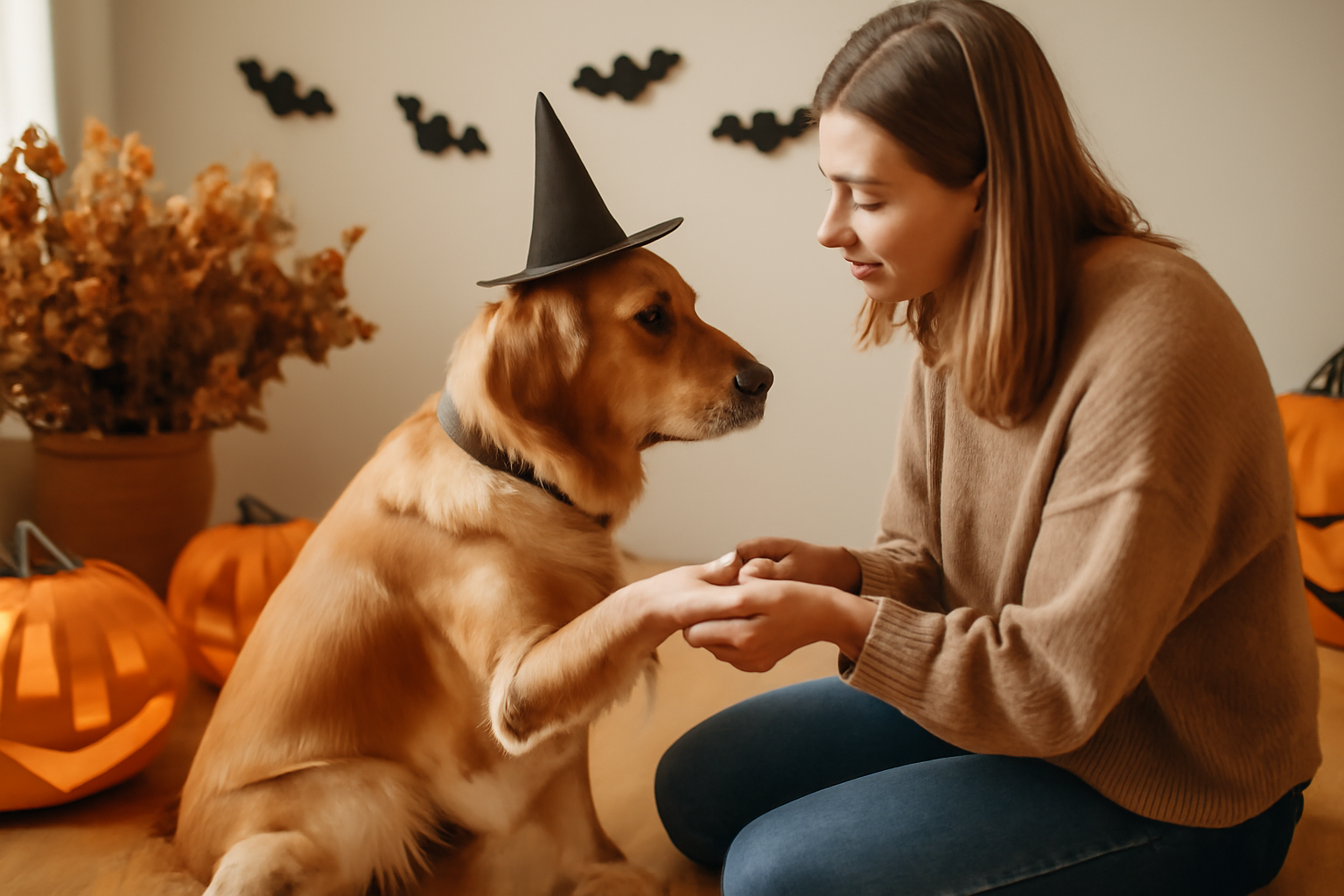
Halloween can be a spooktacular time for families, but it's important to remember that it's not just about the treats and tricks. For dog parents, this festive season comes with its own set of challenges. Ensuring the safety and well-being of your furry friends should be a top priority as you dive into the ghoulish fun.
From costume concerns to candy dangers, there are several common mistakes that pet owners often make during Halloween. Let's explore these pitfalls and how you can avoid them to ensure a joyous celebration for both you and your pup!
Table of Contents
Quick Diagnosis
If you're unsure whether you're making Halloween safety mistakes with your dog, look for the following symptoms: Essential Halloween Dog Safety Tips for a Spooktacular Celebration.
- Signs of stress or anxiety in your dog, such as hiding or excessive barking.
- Unexplained stomach issues like vomiting or diarrhea, potentially from ingested treats or decorations.
- Visible injuries or discomfort from costumes or accessories.
Identifying Stress and Anxiety
Recognizing stress or anxiety in your dog is crucial during Halloween when the environment can be chaotic. Here are some specific signs to watch for: candy dangers for dogs.
- Hiding: If your dog retreats to a secluded spot, it may be overwhelmed by the noise and commotion.
- Excessive Barking: If your dog is barking more than usual, it could be a sign of distress, especially if triggered by costumes or loud noises.
- Pacing: Dogs that are anxious may pace back and forth, unable to settle down.
- Destructive Behavior: Chewing on furniture or other items can indicate stress, as your dog may be trying to cope with their anxiety.
To help your dog feel more secure, create a quiet space where they can retreat, complete with their favorite toys and bedding. Consider using calming sprays or pheromone diffusers to ease their anxiety.
Monitoring Digestive Health
Halloween treats can be tempting for dogs, but many are not safe for them. Keep an eye out for these digestive issues:
- Vomiting: If your dog vomits after consuming treats, it could be a sign they've eaten something harmful.
- Diarrhea: Loose stools can indicate that your dog has ingested something that doesn't agree with them, such as chocolate or artificial sweeteners found in some candies.
- Loss of Appetite: If your dog suddenly refuses to eat, this may indicate an underlying issue, especially if combined with other symptoms.
Always keep Halloween candy out of reach and educate family and friends about what is safe for your furry friend. If you suspect your dog has ingested something harmful, consult your veterinarian immediately.
Checking for Injuries from Costumes
Costumes can be fun, but they may also pose risks to your dog's comfort and safety. Here's how to check for injuries:
- Visible Injuries: Look for any signs of chafing, cuts, or abrasions caused by tight-fitting costumes.
- Discomfort: If your dog is trying to remove their costume or seems restless, it may not fit properly or be too restrictive.
- Allergic Reactions: Watch for any swelling, redness, or itching that could indicate an allergic reaction to materials used in the costume.
To ensure your dog's costume is safe, choose one that is specifically designed for pets and allows for free movement. Always supervise your dog while they are in costume and remove it if they appear uncomfortable.
Checklist for Halloween Safety
To help prevent any Halloween mishaps, here's a quick checklist to keep your dog safe:
- Ensure all candy is stored out of reach and educate guests about what is harmful to dogs.
- Provide a safe space for your dog away from the door to minimize stress from trick-or-treaters.
- Choose costumes that are comfortable, non-restrictive, and made from safe materials.
- Monitor your dog's behavior for signs of anxiety or discomfort throughout the evening.
- Have a plan in place for emergency contact with your veterinarian in case of accidental ingestion or injury.
By being vigilant and prepared, you can ensure that your Halloween celebration is enjoyable and safe for both you and your furry companion.
Common Halloween Dog Safety Mistakes
1. Overindulging on Candy
One of the most common Halloween dog safety mistakes is letting your furry friend indulge in candy. Chocolate is particularly dangerous for dogs, as it contains theobromine, which can be toxic. Even sugar-free candies can pose a threat due to xylitol, a sweetener harmful to pets.
2. Costumes That Don't Fit
While dressing your dog in a cute costume can be fun, many owners overlook the importance of proper fit. Costumes that are too tight can restrict movement and breathing, while those that are too loose may cause the dog to trip or become tangled.
3. Ignoring Door Safety
With trick-or-treaters ringing your doorbell, it's easy for pets to escape. Many dogs are naturally curious and may dart out at the slightest chance. This can lead to them getting lost or even injured in the street. Failing to secure your dog during this busy time can result in accidents.
4. Not Preparing for Noise and Crowds
The sounds of Halloween-doorbells, laughter, and spooky music-can be overwhelming for some dogs. If your pup is easily frightened, they might react negatively to the chaos of the night. Leaving them unprepared for these noises can lead to anxiety or destructive behavior.
5. Decorating with Hazardous Items
Many Halloween decorations can pose risks to pets. Items like candles, fake spider webs, and small decorations can be harmful if ingested or if your dog were to accidentally knock them over. Not considering the pet-friendliness of your decorations is a common oversight.
Fix It Fast
To quickly address these common mistakes, here are some actionable steps you can take:
- Keep all candy out of reach and educate family members about the risks of sneaking treats to your dog. Make a designated spot in a high cabinet or pantry for all Halloween candy. Consider using clear containers labeled "Dog Safe" to remind everyone that human treats are off-limits. You might even create a fun family game where everyone shares what treats are safe for dogs versus what are dangerous.
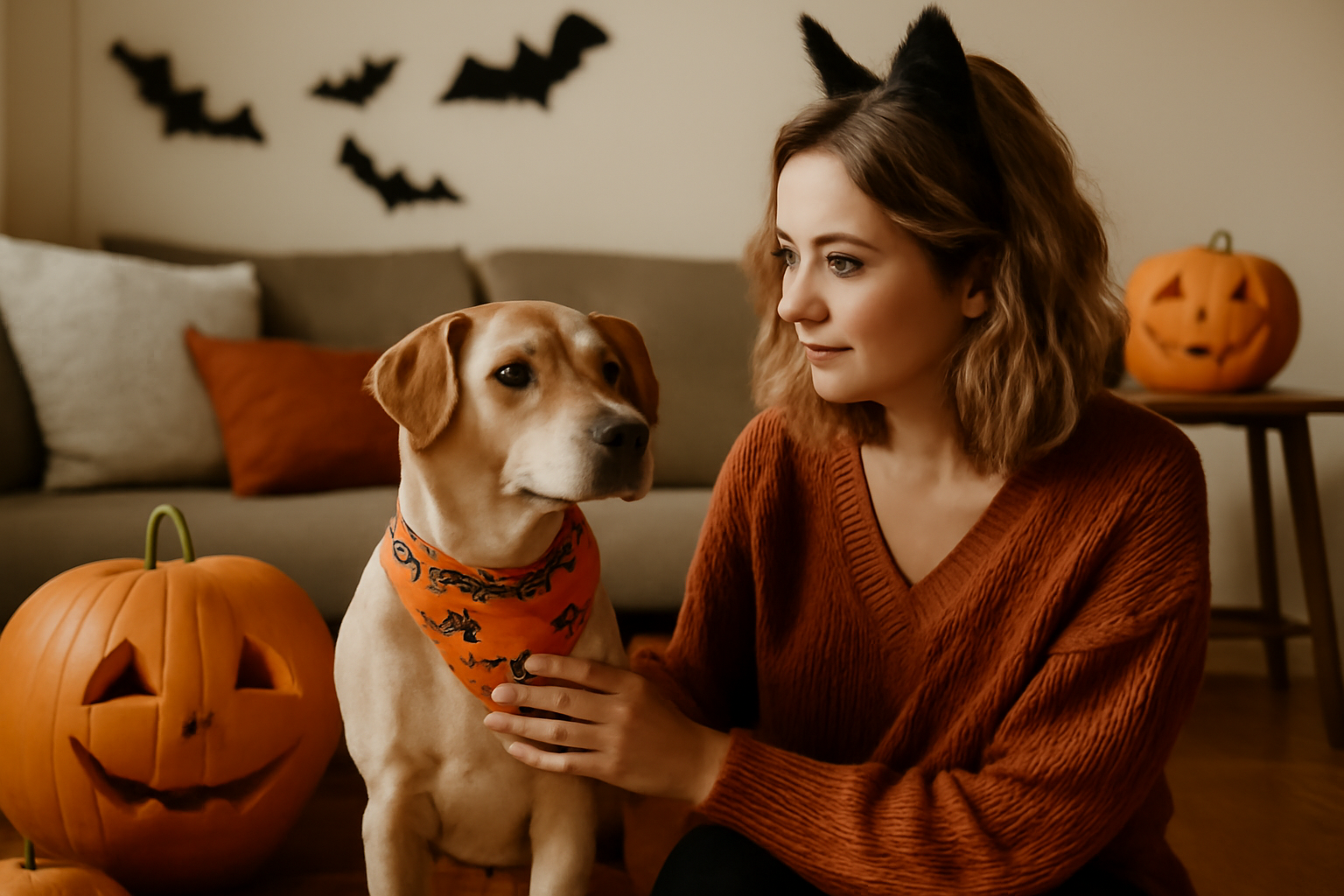
- Choose costumes that are specifically designed for dogs, ensuring they fit properly and allow for movement. When selecting a costume, check the sizing chart carefully and consider your dog's breed and body shape. Look for breathable fabrics and avoid anything that restricts movement or has small parts that could be chewed off. If your dog seems uncomfortable in a costume, consider alternatives like festive bandanas or themed collars that are less intrusive.
- Use baby gates or a separate room to keep your dog safe from the front door during peak trick-or-treating hours. Set up a cozy area in a quiet part of the house with their bed, toys, and a favorite blanket. You can also play calming music or use a white noise machine to drown out the sounds of excitement outside. This not only keeps your dog safe from the chaos but also helps them feel secure and relaxed.
- Create a quiet, safe space for your dog with their favorite toys and treats to help them cope with the noise. Consider using a crate if your dog is crate-trained, as this can provide a familiar and secure environment. Include a few chew toys or puzzle toys filled with treats to keep them occupied. A calming spray or pheromone diffuser can also help reduce anxiety during the festivities.
- Opt for pet-friendly decorations, avoiding anything that could be easily ingested or pose a choking hazard. When decorating, choose items that are durable and designed for pet safety, such as fabric ghosts or non-toxic pumpkins. Avoid decorations with small parts, wires, or anything that could easily break. Always supervise your dog around decorations, and if something seems to catch their interest too much, consider relocating it to a higher place.
Common Mistakes to Avoid
While implementing these fixes, be aware of common mistakes that could still pose risks to your furry friend:
- Failing to secure trash cans where candy wrappers and other hazardous items might be discarded. Dogs are curious creatures, and the smell of leftover treats can be irresistible.
- Ignoring your dog's body language. If your dog appears stressed or anxious, don't force them to participate in Halloween activities. Respect their comfort level.
- Using glow sticks or other decorative items that contain harmful substances. If they break, the contents can be toxic to pets.
- Overlooking the importance of hydration. With all the excitement, don't forget to provide fresh water for your dog, especially if they are confined to a space for a while.
By being proactive and mindful of these common mistakes, you can ensure a fun and safe Halloween for both you and your dog. Taking these steps not only protects your pet but also allows you to enjoy the festivities without worry.
Halloween Precautions for Pets
Beyond avoiding common mistakes, implementing some Halloween precautions for pets can make the festivities smoother:
1. Plan Dog-Friendly Activities
Engage in dog-friendly Halloween activities that allow your pup to enjoy the holiday without the stress. Consider hosting a pet costume contest or a Halloween-themed playdate where dogs can socialize in a safe environment. You can set up fun games like bobbing for apples (using dog-safe treats) or a scavenger hunt where dogs can search for hidden toys or treats. Make sure to provide plenty of water and breaks, especially if the weather is warm.
Additionally, if you're attending a Halloween event, look for ones that are specifically pet-friendly. Many local parks or community centers host events that welcome dogs, featuring activities such as agility courses or trick competitions. This not only allows your dog to enjoy the festivities but also helps to socialize them with other pets.
2. Monitor Their Treat Intake
If you want to include your dog in the fun, consider giving them special dog-safe treats. This will allow them to feel included while keeping their health in check. Look for treats made with natural ingredients that are specifically designed for dogs, avoiding anything that contains chocolate, xylitol, or other harmful substances. You can also make homemade Halloween treats using pumpkin or peanut butter, which many dogs love.
To prevent overindulgence, set a limit on the number of treats your dog can have during the festivities. You can create a simple checklist to track how many treats they've received. Additionally, consider using treat-dispensing toys that can keep your dog engaged and entertained while also controlling their intake. Remember, moderation is key to keeping your furry friend happy and healthy!
3. Use Reflective Gear
If you plan on taking your dog out during Halloween night, ensure they're wearing reflective gear. This increases their visibility in the dark and helps keep them safe near roads. Reflective collars, leashes, or vests are excellent options that can be easily spotted by passing cars. Before heading out, check that the gear fits properly and is comfortable for your dog to wear.
In addition to reflective gear, consider using a light-up collar or a small LED light attached to their leash. This not only enhances visibility but also adds a fun element to your dog's Halloween outfit. Always keep your dog on a leash during walks to prevent them from darting into the street or getting too close to other animals or people who may be startled by costumes or decorations.
Lastly, be mindful of your dog's behavior during the evening. If they seem anxious or overly excited, it might be best to keep them at home in a safe, quiet space where they can relax away from the noise and chaos of trick-or-treaters.
Pet-Friendly Halloween Ideas
If you want to celebrate Halloween with your dog, there are plenty of pet-friendly Halloween ideas to explore:
1. DIY Costumes
Get creative and make your dog a DIY costume that's comfortable and safe. Think about materials that won't irritate their skin and designs that don't restrict movement. Here are some practical tips to consider:
- Choose Breathable Fabrics: Opt for cotton or soft fleece, which are gentle on the skin. Avoid any materials that can cause overheating or discomfort.
- Simple Designs: Consider simple costumes like a superhero cape or a bandana with a fun design. Avoid complex outfits that might confuse or restrict your dog.
- Proper Fit: Ensure the costume fits well. It should be snug but not too tight, allowing your dog to move freely. Measure your dog's neck, chest, and length to get the right size.
- Accessorize Wisely: If you want to add accessories like hats or bows, make sure they are lightweight and securely attached to avoid choking hazards.
Examples of easy DIY costumes include a hot dog (using a brown shirt and a yellow fabric for mustard) or a ghost (a simple white sheet with cutouts for the eyes). Your imagination is the limit!
2. Halloween-themed Treats
Consider baking some Halloween-themed dog treats. There are many recipes available that use dog-safe ingredients, ensuring your pup can enjoy the holiday without any health risks. Here's how to get started:
- Choose Safe Ingredients: Use ingredients like pumpkin, peanut butter, and oats. Avoid chocolate, raisins, and anything with artificial sweeteners like xylitol, which are toxic to dogs.
- Fun Shapes: Use cookie cutters to create spooky shapes like bones, pumpkins, or ghosts. This makes treat time festive and exciting for your pup.
- Decorate Responsibly: If you want to decorate the treats, use dog-safe frosting made from yogurt or peanut butter. Avoid sprinkles that could be harmful.
- Batch Baking: Make a larger batch and store them in an airtight container. They can last for weeks, giving your dog a special treat throughout the season.
Consider trying a simple recipe: mix 1 cup of pumpkin puree, 2 ½ cups of whole wheat flour, and 1 egg. Roll out the dough, cut out shapes, and bake at 350°F for about 20 minutes. Your dog will love these festive goodies!
3. Spooky Photoshoots
Set up a spooky photo booth at home and capture some adorable moments with your dog. This way, you create fun memories without exposing them to the chaos of the neighborhood. Here are some tips for a successful photoshoot:
- Background Setup: Create a Halloween-themed backdrop using props like fake cobwebs, pumpkins, or spooky signs. This adds a festive touch to your photos.
- Natural Lighting: Use natural light whenever possible. Position your setup near a window or outside for the best lighting, which will help your pictures turn out great.
- Treats as Incentives: Keep your dog engaged by holding treats or toys near the camera to grab their attention. This can help capture their best angles and expressions.
- Patience is Key: Be patient and take your time. If your dog gets restless, take a break and come back to it later. Remember, the goal is to have fun!
Once you've taken some great shots, consider creating a scrapbook or sharing them on social media to spread the Halloween cheer. Your friends and family will love seeing your festive pup!
Conclusion
Halloween can be a delightful time for both you and your dog when you take the necessary precautions. By avoiding common Halloween dog safety mistakes and implementing some thoughtful strategies, you can ensure that your furry friend enjoys the festivities as much as you do. Take a moment to plan ahead, and make this Halloween a safe and fun experience for your beloved pet!
Key Takeaways for a Safe Halloween
- Stay Informed: Familiarize yourself with the common hazards of Halloween, such as chocolate, decorations, and potential stressors from costumes and loud noises.
- Preparation is Key: Create a safe space for your dog away from the front door and trick-or-treaters to minimize anxiety and prevent escape.
- Costume Considerations: If dressing your dog up, ensure the costume is comfortable and does not restrict movement or breathing.
- Monitor Treats: Keep all Halloween treats, especially those that are toxic to dogs, out of reach to avoid accidental ingestion.
- Keep Identification Updated: Ensure your dog's collar has an ID tag with current information in case they get lost during the festivities.
Checklist for Halloween Dog Safety
- Secure all candy and chocolate in a place inaccessible to your dog.
- Create a designated calm zone for your dog, complete with their favorite toys and a cozy bed.
- Consider using a calming aid if your dog is particularly anxious during loud celebrations.
- Test the costume beforehand to ensure it fits well and is comfortable for your dog.
- Plan a walk or playtime before the festivities to help your dog expend energy.
- Have a backup plan for unexpected situations, such as a pet-sitter or a quiet room for your dog if they become overwhelmed.
Avoiding Common Mistakes
Here are some common mistakes to avoid to ensure your dog's safety during Halloween:
- Ignoring Signs of Stress: Pay attention to your dog's body language. If they seem anxious or frightened, it's essential to remove them from the situation.
- Forgetting About Decorations: Many decorations can pose choking hazards or be harmful if ingested. Keep decorations out of reach and choose pet-safe options.
- Overloading on Treats: While it's tempting to share the Halloween spirit, be cautious about giving your dog too many treats, even if they are dog-friendly.
- Not Considering Other Pets: If you have multiple pets, consider their individual temperaments. Some may thrive in the chaos while others may need a quiet space.
By taking these precautions and planning ahead, you can ensure that your dog has a safe, enjoyable Halloween experience. Remember, the goal is to create joyful memories without compromising your pet's safety and well-being. With a little effort, you can celebrate the spooky season while keeping your furry friend happy and secure!


