

How to Fix Common Halloween Dog Safety Issues
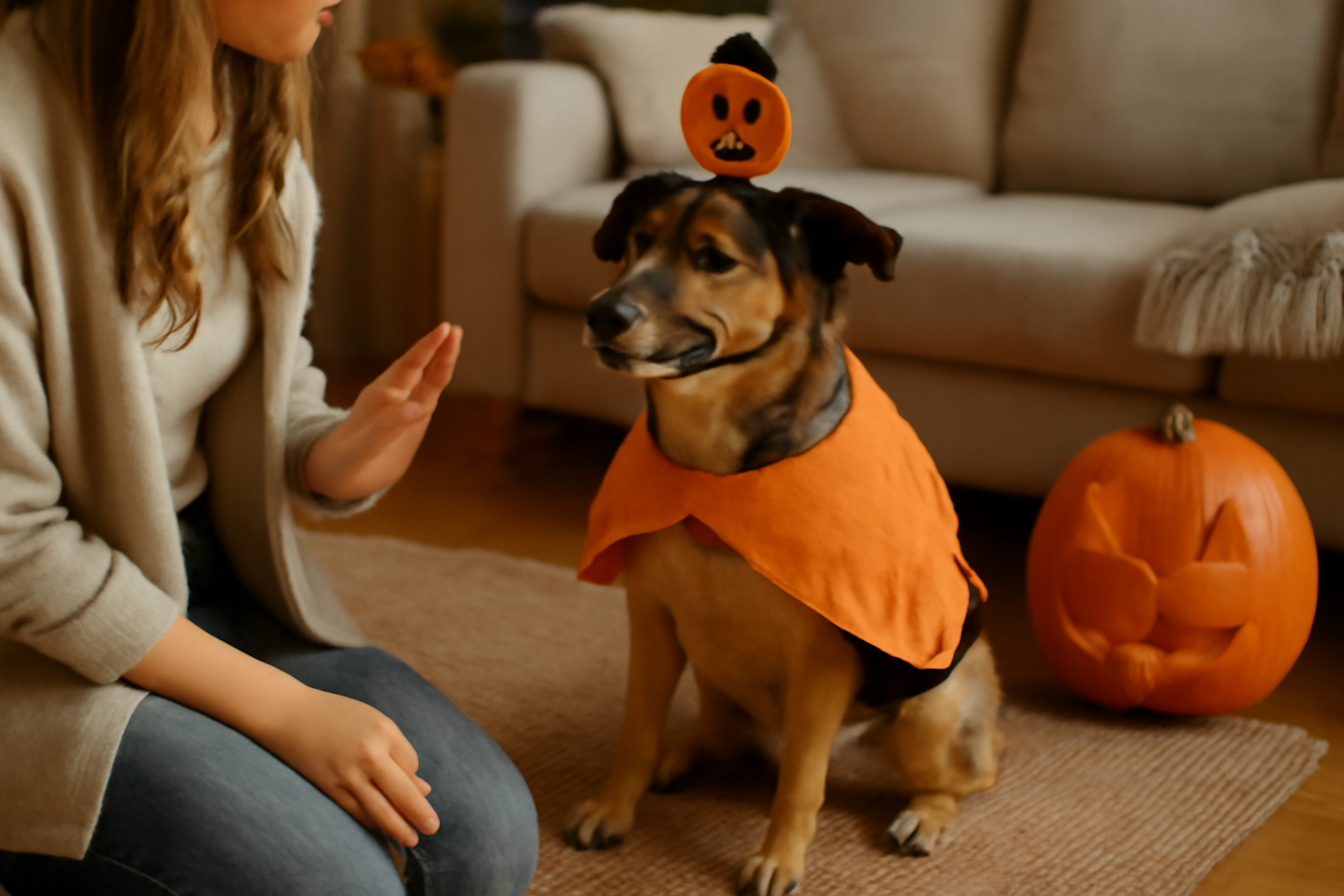
Halloween is a time for fun, costumes, and treats, but for dog owners, it can also be a season full of potential hazards. From spooky decorations to trick-or-treaters at the door, there are several factors to consider to ensure your furry friend stays safe. This guide will help you identify common Halloween dog safety issues and offer practical solutions to keep your pup secure and happy during the festivities.
By taking the right precautions, you can enjoy the Halloween season without worrying about your dog's safety. Whether you're looking for dog-friendly Halloween activities or just want to keep your pet away from harmful situations, we've got you covered with expert tips and advice.
Table of Contents
Understanding Common Halloween Hazards for Dogs
Before we dive into solutions, let's explore the typical hazards that dogs might encounter during Halloween. Understanding these issues is key to preventing accidents and keeping your pet safe. Essential Halloween Dog Safety Tips for a Spooktacular Celebration.
1. Costumes and Accessories
While dressing up your pooch can be adorable, not all costumes are suitable for dogs. Some may fit too tightly, restrict movement, or contain choking hazards. Additionally, dogs can become stressed or anxious when forced to wear costumes they are uncomfortable with. candy dangers for dogs.
To ensure your dog's safety and comfort, consider the following checklist when selecting a costume:
- Size Matters: Measure your dog before purchasing a costume. Ensure it allows for easy movement, breathing, and bathroom breaks.
- Material Check: Choose soft, breathable fabrics that won't irritate your dog's skin. Avoid costumes with small parts that could be chewed off and swallowed.
- Trial Run: Before Halloween night, let your dog wear the costume for short periods. Observe their behavior to see if they are comfortable or stressed.
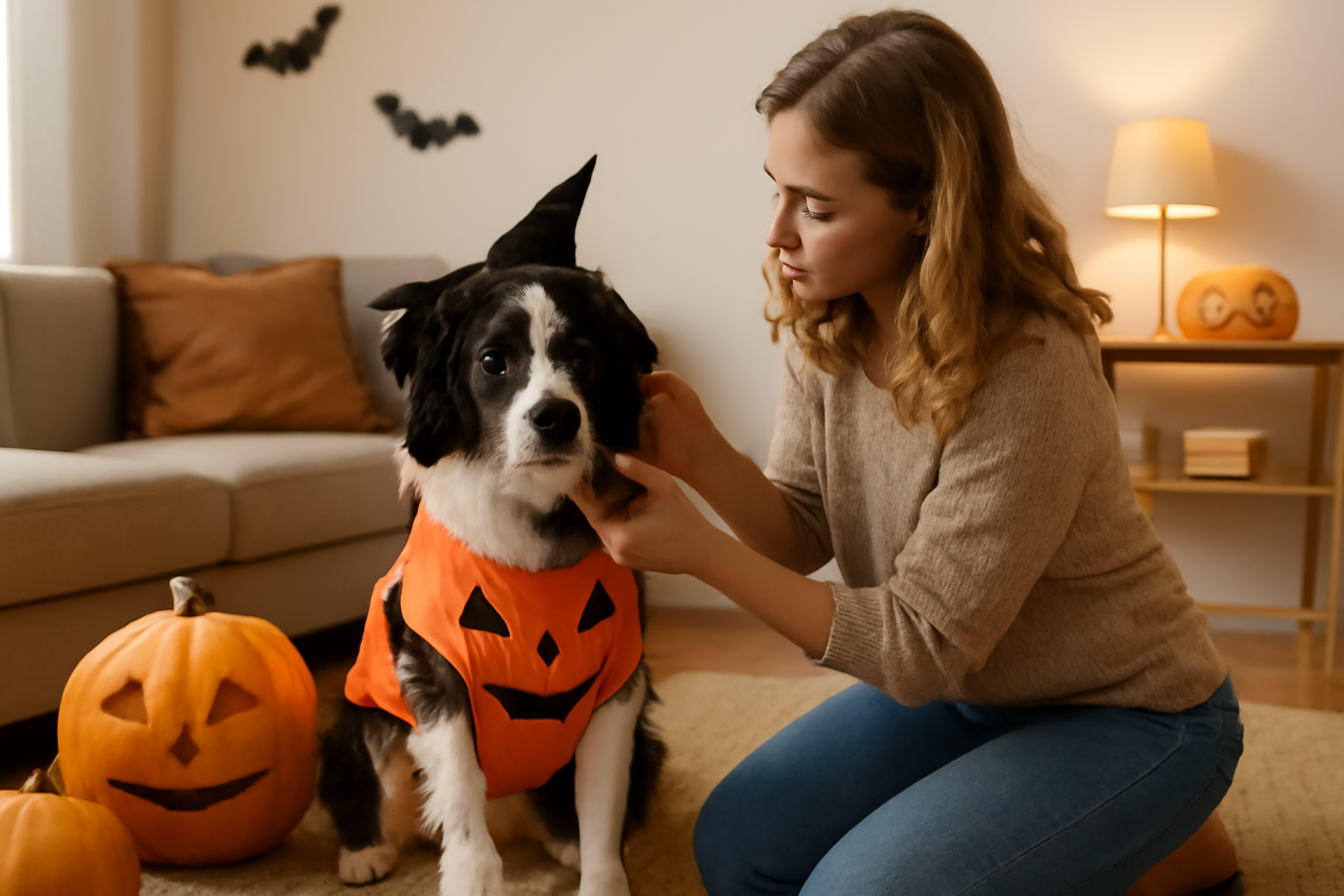
- Accessorize Wisely: If adding accessories like hats or capes, ensure they are secure but not too tight. Always supervise your dog while they are wearing them.
Common mistakes include choosing flashy costumes that may scare your dog or not allowing them to acclimate to the outfit. Always prioritize your dog's comfort over aesthetics.
2. Toxic Treats
Halloween is synonymous with candy, but many treats are toxic to dogs. Chocolate, xylitol (often found in sugar-free candies), and certain artificial sweeteners can be dangerous. Even some fruits like grapes and raisins, which might be found in Halloween-themed treats, can pose a risk.
To keep your dog safe from harmful treats, follow these guidelines:
- Educate Yourself: Familiarize yourself with common toxic foods. Keep a list handy for easy reference during Halloween festivities.
- Secure Candy Locations: Keep all candy out of reach of your dog. Consider using child-proof containers or placing treats in high cabinets.
- Safe Alternatives: Offer dog-friendly treats during the festivities. Look for treats made specifically for dogs, ensuring they are free from harmful ingredients.
- Emergency Plan: Have the contact information for your veterinarian and a nearby emergency animal clinic readily available in case of accidental ingestion.
Common mistakes include leaving candy bowls unattended or not being vigilant about where treats are stored. Always monitor your dog's access to food during Halloween.
3. Decorations and Scary Props
From fake cobwebs to glowing jack-o'-lanterns, Halloween decorations can be enticing for dogs. Some decorations may pose choking hazards or lead to gastrointestinal distress if ingested. Additionally, some dogs may be frightened by loud noises or frightening props, leading to anxiety or stress.
To create a safe environment, consider these tips:
- Assess Your Decor: Choose decorations that are pet-friendly and avoid items that could easily be knocked over or ingested.
- Secure Decorations: Use tape or weights to secure items that could fall or be pulled down by curious paws.
- Monitor Reactions: Keep an eye on your dog's behavior around decorations. If they seem anxious or scared, consider relocating or removing the item.
- Lighting Safety: Use LED lights instead of candles in jack-o'-lanterns to prevent burns or fires. Ensure all electrical cords are out of reach to avoid chewing hazards.
A common mistake is underestimating how decorations can affect a dog's behavior. Always consider your dog's personality when decorating for Halloween.
4. Trick-or-Treaters
The influx of visitors can be overwhelming for some dogs. Ringing doorbells, constant knocking, and the sight of costumed strangers can cause anxiety and even aggressive behavior in some pets. It's crucial to manage your dog's environment during peak trick-or-treat times.
To help your dog cope with the excitement and chaos, implement these strategies:
- Create a Safe Space: Designate a quiet room for your dog away from the front door. Provide their favorite toys, a comfortable bed, and some calming music to help them relax.
- Desensitize Gradually: Prior to Halloween, expose your dog to doorbell sounds and the sight of people in costumes. Reward them with treats for calm behavior.
- Supervise Interactions: If your dog is comfortable with visitors, supervise their interactions closely. Teach them basic commands like "sit" or "stay" to help manage excitement.
- Consider a Muzzle: For dogs that may react aggressively, consider using a muzzle during trick-or-treating hours to ensure everyone's safety.
Common mistakes include allowing dogs to roam freely during trick-or-treating or not providing a safe space for them to retreat to. Always prioritize your dog's emotional well-being during busy times.
Quick Diagnosis: Identifying Symptoms of Halloween Stress
Recognizing when your dog is stressed or uncomfortable is vital for their wellbeing. Here are some symptoms to watch for during Halloween:
- Excessive barking or whining
- Hiding or seeking refuge
- Destructive behavior (chewing or digging)
- Refusal to eat or drink
- Signs of aggression (growling, snapping)
In addition to these symptoms, it's important to observe your dog's body language for subtle signs of stress. Dogs communicate their feelings through their posture and facial expressions. Here are some specific behaviors to look for:
- Tucked Tail: A tail that is tucked between the legs can indicate fear or anxiety. If your dog is usually confident, this is a red flag.
- Ears Back: If your dog's ears are pinned back against their head, it may signify discomfort or submission.
- Panting or Drooling: Excessive panting or drooling, especially when not related to heat or exercise, can be a sign of stress.
- Wide Eyes: If your dog's eyes appear wide or are darting around, they may be feeling overwhelmed or fearful.
- Yawning or Lip Licking: These behaviors can indicate stress, especially if they occur outside of their normal context, such as after being approached by a costumed stranger.
Steps to Assess Your Dog's Stress Level
To effectively assess your dog's stress level during Halloween, follow these steps:
- Observe Your Dog: Spend time watching your dog in different situations, especially when they are exposed to Halloween stimuli, such as costumes, decorations, and loud noises. Take note of their reactions to specific triggers, like the sound of children laughing or the sight of a ghostly decoration.
- Identify Triggers: Keep a journal noting what specific events or stimuli trigger stress in your dog. This could be the doorbell ringing, children in costumes, or the sound of fireworks. Write down the context of each trigger and your dog's reaction to help spot patterns.
- Monitor Behavior Changes: Look for any changes in your dog's usual behavior patterns. If your dog is normally social but suddenly becomes withdrawn, take note. Changes in sleeping habits, playfulness, or appetite can also indicate increased stress.
- Check Physical Symptoms: Look for physical signs of stress, such as trembling, pacing, or excessive grooming, which can indicate anxiety. Additionally, observe if your dog is avoiding eye contact or displaying a stiff body posture.
- Consult a Professional: If you notice persistent signs of stress, consider consulting your veterinarian or a professional dog trainer for further guidance. They can provide tailored advice and may suggest calming techniques or products.
Common Mistakes to Avoid
When it comes to identifying stress in dogs during Halloween, here are some common mistakes to avoid:
- Ignoring Subtle Signs: Don't overlook minor signs of stress, as these can escalate into more serious issues if not addressed. Even small behaviors like a slight tail tuck or a hesitant step can indicate discomfort.
- Assuming All Dogs React the Same: Every dog is unique. What triggers stress in one dog may not affect another in the same way. Tailor your observations to your dog's personality and past experiences with similar situations.
- Forcing Interaction: If your dog is showing signs of stress, avoid forcing them to interact with guests or participate in Halloween activities. Allow them to retreat to a safe space, and if necessary, create a cozy area with their favorite toys and blankets.
- Neglecting Their Needs: During busy festivities, don't forget about your dog's basic needs for food, water, and quiet time. Ensure they have a comfortable area away from the chaos, and schedule regular breaks for them to relax.
- Not Preparing in Advance: Failing to plan for Halloween can lead to unnecessary stress. Prepare your dog by gradually exposing them to costumes and sounds in a controlled manner. Start with short sessions of wearing costumes or playing recordings of Halloween sounds at a low volume to help them acclimate.
By being vigilant and proactive, you can help your furry friend navigate the spooky season with less stress and more joy. Keeping a close eye on their behavior and providing a safe environment are essential steps in ensuring a happy Halloween for both you and your dog. Remember, your attention to their needs can turn a potentially frightening experience into a fun and enjoyable one!
Fix It Fast: Practical Solutions for Halloween Safety
Now that you understand the potential hazards, let's explore how to fix these issues and ensure your dog remains safe during Halloween.
1. Choosing the Right Costume
If you want to dress your dog up, choose a costume that is lightweight, breathable, and fits properly. Make sure it doesn't impede their ability to move, see, or breathe. Consider opting for fun accessories, like a festive bandana or collar, that can add a touch of Halloween spirit without the discomfort of a full costume.
2. Managing Treats and Sweets
Keep all Halloween treats out of reach of your dog. Educate your friends and family about the dangers of feeding your pet treats. Consider offering dog-friendly alternatives, such as pumpkin-flavored chews or homemade dog treats, to ensure your furry friend can join in the fun without risk.
3. Securing Decorations
When setting up decorations, consider your dog's behavior. Opt for decorations that are high up and out of reach. Avoid small items that can be ingested and choose non-toxic materials for your decorations. Additionally, ensure that electrical cords from lights are safely tucked away to prevent chewing.
4. Creating a Safe Space
During peak trick-or-treating hours, create a safe haven for your dog. Set up a quiet space away from the front door, complete with their favorite toys and a cozy blanket. You can provide calming aids, such as a favorite chew toy or a special treat, to help ease their anxiety. Consider playing soft music or using a white noise machine to drown out external noise.
Pet-Friendly Halloween Ideas
While Halloween can pose challenges, it can also be a wonderful time for bonding with your dog. Here are some pet-friendly Halloween activities to consider:
1. Halloween-Themed Photoshoots
Set up a mini photo booth at home with Halloween props where you can take cute pictures of your dog. This can be a fun way to include them in the festivities without the stress of costumes. Here are some tips to make the most of your photoshoot:
- Choose a Location: Find a well-lit area in your home or yard that offers a festive backdrop. Consider using Halloween decorations like pumpkins, hay bales, or spooky banners to enhance the theme.
- Gather Props: Use props like witch hats, ghost cutouts, or even silly glasses to add a whimsical touch. Make sure any props are safe and non-toxic for your dog.
- Use Treats as Incentives: Keep your dog engaged by holding their favorite treats near the camera. This can help capture their attention and encourage them to pose.
- Capture Candid Moments: Don't just focus on posed shots; some of the best photos come from spontaneous moments. Keep your camera ready to snap pictures as your dog interacts with the props.
2. Dog-Friendly Treats
Get creative in the kitchen by preparing some homemade dog treats that fit the Halloween theme. Use pumpkin, peanut butter, or sweet potato to create delicious and safe snacks your dog will love. Here's a simple recipe to try:
Pumpkin Peanut Butter Dog Treats
- Ingredients: 1 cup pumpkin puree, 1/2 cup peanut butter (make sure it's xylitol-free), 2 1/2 cups whole wheat flour, and 1 egg.
-
Instructions:
- Preheat your oven to 350°F (175°C).
- In a bowl, mix the pumpkin puree, peanut butter, and egg until well combined.
- Gradually add the whole wheat flour until a dough forms.
- Roll out the dough on a floured surface and cut it into fun Halloween shapes using cookie cutters.
- Place the treats on a baking sheet and bake for about 20-25 minutes or until golden brown.
- Let them cool completely before serving to your pup.
Remember to store any leftover treats in an airtight container. You can even package them in festive bags to share with fellow dog owners!
3. Hosting a Dog Costume Parade
If you have local friends who are dog owners, consider organizing a dog costume parade in a safe area. This allows dogs to socialize in a controlled environment while enjoying the Halloween spirit together. Here's how to plan a successful parade:
- Select a Location: Choose a park or a quiet neighborhood where dogs can walk safely. Ensure the area is free from heavy traffic and has ample space for dogs to mingle.
- Set a Date and Time: Pick a date close to Halloween and a time that works for most participants. Late afternoon or early evening can be ideal for capturing the festive atmosphere.
- Promote the Event: Use social media or local community boards to invite dog owners. Encourage them to RSVP so you can plan accordingly.
- Plan Activities: Incorporate fun games or contests, such as "Best Costume" or "Best Trick." This adds an extra layer of excitement and encourages participation.
- Safety First: Ensure all dogs are up to date on vaccinations and socialize well with other dogs. Have a first-aid kit on hand for any minor accidents.
4. Trick Training
Use Halloween as an opportunity to teach your dog new tricks! Incorporate Halloween-themed commands or skills, like "spin" for a ghostly twirl or "sit" for trick-or-treat anticipation. This can be a fun way to engage your dog mentally while keeping their focus away from external Halloween distractions. Here are some ideas for themed tricks:
- "Boo!" - Teach your dog to play dead when you say "Boo!" This can be a hilarious addition to your Halloween festivities.
- "Howl" - Encourage your dog to "howl" on command, mimicking spooky sounds. Use treats to reward them when they respond to your cue.
- "Jump Over the Pumpkin" - Set up a small obstacle course with a pumpkin or other Halloween-themed item for your dog to jump over. This can be a fun way to keep them active.
- Practice Patience: Use Halloween as a time to reinforce basic commands like "stay" and "leave it," especially when treats or distractions are around.
Training sessions can be short and fun, ensuring your dog remains engaged without becoming overwhelmed. Always end on a positive note with lots of praise and a treat!
Conclusion: A Safe and Spooktacular Halloween Awaits
By implementing these practical strategies, you can ensure that Halloween is a safe and enjoyable time for both you and your furry friend. Start by evaluating your home environment and making adjustments as needed to eliminate potential hazards. Remember to engage in dog-friendly Halloween activities that celebrate the spirit of the season while prioritizing your pet's safety. With the right precautions and creative ideas, you can create lasting memories this Halloween without worrying about your dog's wellbeing.
Steps to Prepare Your Home
Begin your preparations by conducting a thorough walkthrough of your home. Here's a checklist to guide you:
- Secure Candles and Decorations: Ensure that any lit candles or decorative items are placed out of reach. Consider using battery-operated candles for a safer alternative.
- Store Toxic Treats Safely: Keep all candy, especially chocolate and sugar-free options containing xylitol, well out of your dog's reach. Store them in cabinets or high shelves.
- Check Electrical Cords: Inspect any decorations that require electricity. Ensure cords are not frayed and are placed safely to prevent your dog from chewing on them.
- Block Off Hazardous Areas: If you're expecting trick-or-treaters, consider using baby gates or closing doors to prevent your dog from darting outside.
Engaging in Dog-Friendly Activities
While Halloween is often about costumes and candy, there are plenty of ways to include your dog in the festivities without compromising safety. Here are some ideas:
- Costume Time: If your dog enjoys wearing costumes, pick one that is comfortable and does not restrict movement. Consider a fun theme that matches your own costume for a cute photo op!
- Halloween-Themed Treats: Bake or buy dog-friendly treats that celebrate the season. Look for recipes that include pumpkin or peanut butter, and use Halloween-themed cookie cutters for fun shapes.
- Host a Pet Costume Contest: Invite fellow dog owners to a safe gathering where dogs can showcase their costumes. Ensure the environment is secure and that all pets are comfortable with each other.
- Spooky Scavenger Hunt: Create a scavenger hunt in your backyard or living room with dog-safe treats hidden around. This will keep your dog entertained and engaged.
Common Mistakes to Avoid
As you prepare for Halloween, be mindful of these common pitfalls that can jeopardize your dog's safety:
- Ignoring Signs of Stress: Pay attention to your dog's behavior. If they seem anxious or frightened by costumes or loud noises, provide a quiet space for them to retreat to.
- Overloading on Treats: While it's tempting to give your dog treats during the festivities, moderation is key. Too many can upset their stomach or lead to weight gain.
- Forgetting Identification: With the potential for doors being opened frequently, ensure your dog has proper identification tags and is microchipped in case they escape.
- Not Planning for Emergencies: Have a plan in place for potential emergencies. Know the location of the nearest veterinary clinic and keep their contact information handy.
With these strategies in place, you can guarantee a Halloween filled with fun and laughter while keeping your furry friend safe. Embrace the season with joy, creativity, and a sprinkle of caution, and you'll create a spooktacular experience for both you and your beloved pet!


