

Why Your Cavalier King Charles Spaniel May Not Be Responding
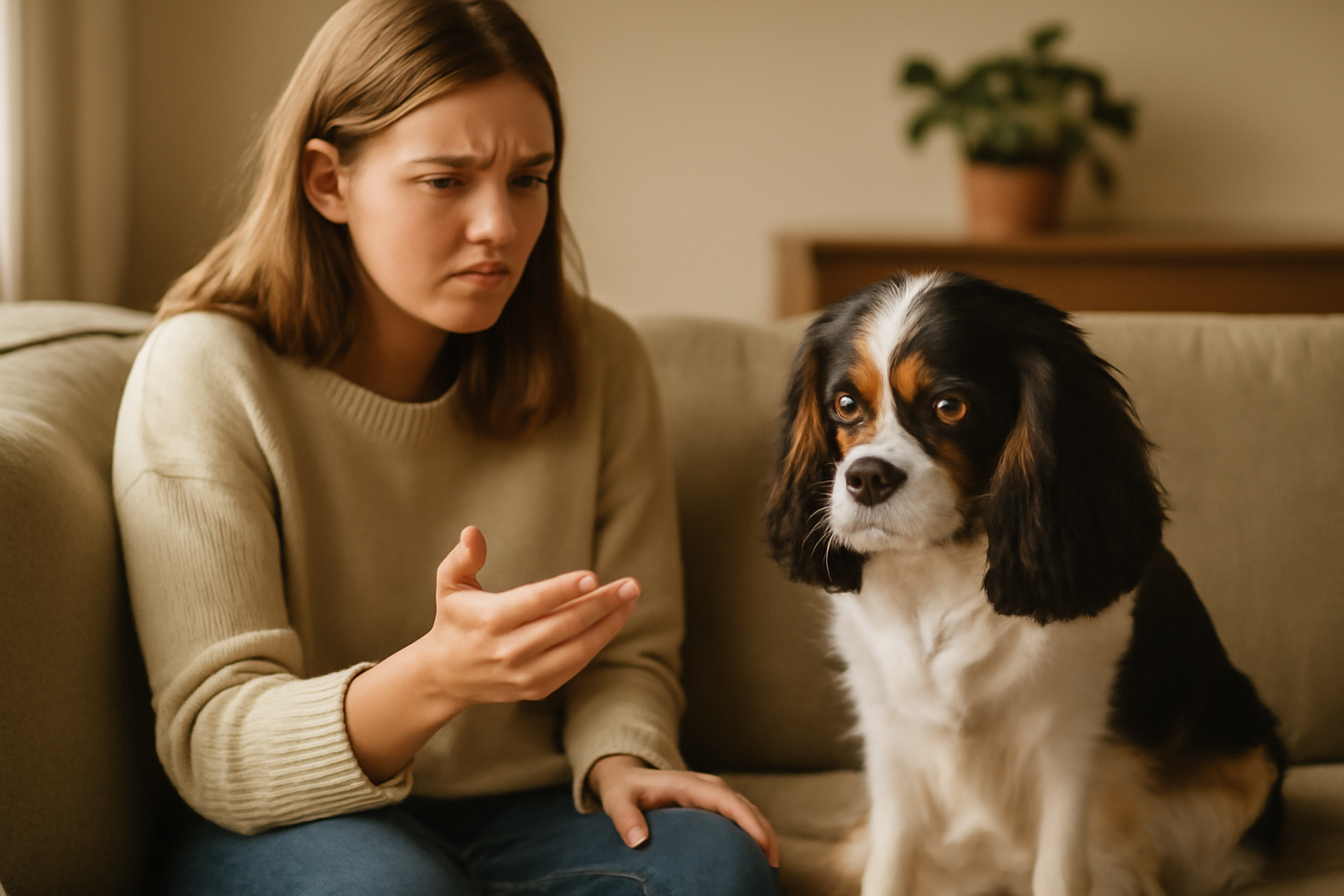
As a proud parent of a Cavalier King Charles Spaniel, you might find yourself puzzled when your furry friend isn't responding to your calls or commands. These charming pups are known for their affectionate nature, but sometimes their behavior can leave us scratching our heads. Understanding the underlying reasons for their lack of response is the first step to fostering better communication.
In this article, we will explore common reasons why your Cavalier may not be responding, how you can identify the symptoms, and practical solutions to improve their engagement. Whether it's due to health issues, behavioral factors, or training gaps, we've got you covered with tips to help your Cavalier thrive.
Table of Contents
Quick Diagnosis
Before diving deep into the reasons behind your Cavalier's behavior, it's essential to conduct a quick assessment. Observe your dog for the following signs: The Ultimate Guide to Cavalier King Charles Spaniel: Everything You Need to Know.
- Lack of eye contact or disengagement when called.
- Ignoring commands or cues during training sessions.
- Changes in energy levels or behavior, such as increased lethargy or anxiety.
- Signs of discomfort or distress, such as whining or pacing.
If you notice any of these symptoms, it's crucial to consider both behavioral and health-related factors that could be at play. Cavalier behavior and socialization.
Step-by-Step Observation Guide
To effectively assess your Cavalier King Charles Spaniel's responsiveness, follow these steps:
- Set the Environment: Choose a quiet space free from distractions. This will help you gauge your dog's behavior more accurately.
- Engage Your Dog: Call your dog's name and observe their reaction. Do they look at you? Do they come closer, or do they seem indifferent?
- Use Commands: Try simple commands like "sit" or "stay." Take note of how quickly they respond. If they don't respond at all, consider repeating the command a few times.
- Monitor Behavior Changes: Keep an eye on your dog's energy levels throughout the day. Are they more tired than usual? Are they avoiding playtime? Document these changes.
- Watch for Signs of Distress: Look for specific signs such as excessive barking, hiding, or changes in eating habits. These can indicate underlying issues.
Common Mistakes to Avoid
When assessing your Cavalier's behavior, there are a few pitfalls to steer clear of:
- Assuming It's Just a Phase: Many pet owners dismiss behavioral changes as temporary. It's crucial to take them seriously and investigate further.
- Ignoring Health Issues: If your dog is not responding and showing signs of distress, don't overlook potential health problems. Always consult a veterinarian if health issues are suspected.
- Overreacting to Normal Behavior: Some Cavaliers may simply be more independent or stubborn. Understand their personality and temperament before jumping to conclusions.
- Inconsistent Commands: Using different commands or tones can confuse your dog. Ensure everyone in the household uses the same cues consistently.
When to Seek Professional Help
If your quick assessment reveals concerning signs and you are unsure about the next steps, it may be time to consult a professional. Here are a few indicators that suggest seeking help:
- Persistent lack of response over several days.
- Behavioral changes accompanied by physical symptoms like vomiting or diarrhea.
- Increased aggression or fearfulness towards people or other pets.
- Continued signs of distress despite attempts to engage or comfort your dog.
Consulting a veterinarian or a professional dog trainer can provide valuable insights and tailored strategies to help your Cavalier regain their responsiveness. Remember, early intervention is key to addressing any underlying issues effectively.
Potential Reasons for Non-Responsiveness
1. Health Issues
One of the foremost reasons your Cavalier King Charles Spaniel may not be responding could be health-related. Cavaliers are prone to certain health conditions that can affect their behavior, including:
- Ear Infections: Cavaliers have floppy ears that can trap moisture and lead to infections. If your pup seems disoriented or has a foul smell from their ears, it's time for a vet visit.
- Hearing Loss: Age-related hearing loss can occur in older Cavaliers, making it difficult for them to respond to commands. Consider having their hearing checked if they seem unresponsive.
- Neurological Disorders: Conditions such as syringomyelia can affect the nervous system, causing various behavioral changes. If you suspect a serious issue, always consult your veterinarian.
2. Lack of Training or Socialization
Another common reason for non-responsiveness is insufficient training or socialization. Cavalier King Charles Spaniels are social dogs that thrive on interaction. Here are some points to consider:
- Training Gaps: If your Cavalier hasn't been properly trained, they may not understand commands or cues. Establishing a consistent training routine can help bridge this gap.
- Socialization Techniques for Cavaliers: Introducing your dog to various environments, people, and other dogs can enhance their comfort level and responsiveness. Use positive reinforcement to encourage good behavior during these interactions.
3. Distractions in the Environment
Cavaliers are often easily distracted by their surroundings. Noisy environments, unfamiliar scents, or other animals can divert their attention. To improve responsiveness:
- Practice commands in a quiet, distraction-free area to help your Cavalier focus.
- Gradually introduce new environments while rewarding your dog for paying attention to you.

Fix It Fast
Now that we've identified potential causes, let's focus on quick solutions to boost your Cavalier's responsiveness:
1. Engage Their Senses
Use high-value treats or toys to engage your Cavalier during training sessions. This can motivate them to respond more promptly to your commands. Try incorporating their favorite toy or a tasty treat into your training routine.
2. Consistent Command Training
Implement a consistent training schedule. Use clear, simple commands and practice them daily. Reinforce their learning with positive rewards when they respond correctly. This will help them associate the command with the action you want them to take.
3. Regular Vet Check-ups
Ensure your Cavalier has regular veterinary check-ups. Address any health issues promptly to prevent further behavioral complications. Keeping up with their health will ensure they remain happy and engaged.
Understanding Cavalier Breed Characteristics
Understanding Cavalier breed characteristics is essential for knowing what to expect from your furry companion. They are known for their affectionate and friendly nature, but each dog has individual quirks. Recognize and appreciate these traits to improve your relationship.
Cavalier King Charles Spaniels are renowned for their sweet disposition and playful spirit. Their characteristics not only define their behavior but also influence how they interact with their owners and respond to training. Here, we'll delve deeper into these breed traits to help you better understand your Cavalier and enhance your bond.
Affectionate Nature
Cavaliers are often referred to as "love sponges" because of their desire for companionship and affection. They thrive on human interaction, making them ideal pets for families and individuals alike. Here are some ways to foster this affectionate nature:
- Daily Cuddles: Set aside time each day to cuddle with your Cavalier. This not only strengthens your bond but also reassures them of your love.
- Positive Reinforcement: Use treats and praise when they respond to your calls or commands. This reinforces their behavior and encourages them to seek your attention.
- Quality Time: Engage in activities that your dog enjoys, such as walks or playtime. This helps them feel valued and connected to you.
Playfulness and Energy Levels
Despite their small size, Cavaliers are full of energy and love to play. They require regular exercise to stay healthy and happy. Here's how to manage their playful nature:
- Daily Exercise: Aim for at least 30 minutes of exercise each day. This can include walks, fetch, or interactive play sessions.
- Interactive Toys: Invest in toys that challenge them mentally and physically. Puzzle toys or tug-of-war games can keep them engaged and prevent boredom.
- Socialization: Introduce your Cavalier to other dogs and people. This helps them develop social skills and reduces anxiety in unfamiliar situations.
Intelligence and Trainability
Cavaliers are intelligent and eager to please, which makes them relatively easy to train. However, understanding their learning style is crucial:
- Short Training Sessions: Keep training sessions brief (about 5-10 minutes) to maintain their attention. Frequent, short sessions are more effective than long, drawn-out ones.
- Consistency is Key: Use the same commands and cues consistently. This helps your Cavalier understand what is expected of them.
- Patience and Positivity: Always approach training with a positive attitude. If they don't respond, try again later rather than getting frustrated.
Common Behavioral Traits
While each Cavalier has its unique personality, there are some common behaviors you might observe:
- Lap Dogs: Cavaliers often love to sit on laps or snuggle next to their owners. This is a sign of their affection and desire for closeness.
- Barking: They may bark to communicate or express excitement. Training them to respond to commands can help manage excessive barking.
- Separation Anxiety: Due to their loving nature, Cavaliers can suffer from separation anxiety. If you notice signs of distress when you leave, consider crate training or gradual desensitization.
Understanding Individual Quirks
Every Cavalier has its own personality traits that can influence their behavior:
- Identify Triggers: Pay attention to what excites or upsets your Cavalier. This can help you understand their responses better.
- Keep a Journal: Document their behaviors, moods, and reactions to different situations. This can help you identify patterns and adjust your approach accordingly.
- Consult with Professionals: If you're struggling to understand your Cavalier's behavior, consider reaching out to a dog trainer or behaviorist for guidance.
By understanding these breed characteristics, you can create a nurturing environment that supports your Cavalier's needs. This awareness will not only enhance your relationship but also contribute to a happier, more responsive companion.
Cavalier Health Considerations
As a Cavalier owner, be aware of Cavalier health considerations. This breed is susceptible to various health issues, including heart problems and eye conditions. Stay informed about common health concerns to better understand your dog's needs and behavior.
Common Health Issues in Cavaliers
Cavalier King Charles Spaniels are known for their affectionate nature, but they also have a predisposition to several health issues. Understanding these can help you monitor your pet's health more effectively. Here are some of the most common health concerns:
- Mitral Valve Disease (MVD): This is the most prevalent heart condition in Cavaliers, often developing as they age. Regular veterinary check-ups, including heart screenings, can help catch this issue early.
- Syringomyelia (SM): A serious neurological condition where cavities form within the spinal cord. Symptoms include scratching at the neck or head, sensitivity to touch, and behavioral changes. If you notice these signs, consult your vet immediately.
- Eye Conditions: Cavaliers are prone to several eye issues, including cataracts and retinal problems. Regular eye examinations can help detect these conditions early, allowing for timely intervention.
- Hip Dysplasia: This genetic condition can lead to arthritis and pain. Regular exercise and maintaining a healthy weight can help manage symptoms.
- Ear Infections: With their long ears, Cavaliers are susceptible to ear infections. Regular cleaning and monitoring for signs of discomfort can prevent these issues.
Monitoring Your Cavalier's Health
Being proactive about your Cavalier's health is essential. Here's a checklist to help you stay on top of your dog's well-being:
- Regular Vet Visits: Schedule at least annual check-ups, or more frequently for older dogs or those with existing health issues.
- Vaccinations: Ensure your Cavalier is up-to-date on vaccinations to prevent preventable diseases.
- Healthy Diet: Feed a balanced diet appropriate for your dog's age and health needs. Consult your vet for recommendations.
- Exercise: Regular physical activity is crucial. Aim for at least 30 minutes of exercise each day to keep your dog fit and healthy.
- Weight Management: Monitor your dog's weight and adjust their diet and exercise accordingly to prevent obesity, which can exacerbate health issues.
- Dental Care: Regular brushing and dental check-ups can prevent periodontal disease, which is common in Cavaliers.
Recognizing Behavioral Changes
Changes in behavior can often signal underlying health issues in your Cavalier. Here are some signs to watch for:
- Increased Lethargy: If your dog is less active or seems tired, it could indicate pain or discomfort.
- Changes in Appetite: A sudden increase or decrease in appetite may warrant a vet visit.
- Excessive Barking: If your Cavalier is barking more than usual, it could be a sign of anxiety or discomfort.
- Difficulty with Movement: Limping or reluctance to jump or climb stairs can indicate joint or muscle problems.
Preventative Care Tips
Taking preventative measures can significantly improve your Cavalier's quality of life. Here are some practical tips:
- Regular Grooming: Keep your Cavalier's coat clean and free of mats, which can lead to skin issues. Regular brushing also allows you to check for lumps or skin irritations.
- Hydration: Ensure your dog has access to fresh water at all times to prevent dehydration and urinary issues.
- Socialization: Regular interactions with other dogs and people can help your Cavalier develop a well-rounded personality and reduce anxiety.
- Training: Consistent training can help reinforce positive behaviors and reduce stress for both you and your dog.
By staying informed and proactive about your Cavalier's health, you can help ensure a long, happy life filled with love and companionship. Always consult with your veterinarian if you have any concerns about your dog's health or behavior. Your vigilance and care can make a world of difference in your furry friend's life.
Building a Stronger Bond
Strengthening your bond with your Cavalier King Charles Spaniel can significantly improve their responsiveness. Spend quality time together through play, walks, and training. This engagement fosters trust and communication, ensuring your Cavalier feels secure and connected.
Engaging Activities
To deepen your connection, incorporate a variety of engaging activities into your daily routine. Here are some ideas:
- Interactive Play: Use toys that encourage interaction, such as tug ropes or fetch balls. Make playtime a daily ritual to enhance excitement and bonding.
- Training Sessions: Short and fun training sessions not only teach your Cavalier commands but also reinforce your role as a leader. Aim for 5-10 minute sessions, focusing on positive reinforcement.
- Outdoor Adventures: Take your Cavalier on different walking routes or to dog parks. New environments stimulate their senses and create shared experiences.
- Agility Exercises: Set up a mini agility course at home using household items. This not only provides physical exercise but also mental stimulation.
Daily Routine and Consistency
Consistency is key in building a strong bond. Establish a daily routine that includes:
- Feeding Schedule: Feed your Cavalier at the same time each day. This predictability helps them feel secure.
- Exercise Routine: Regular walks and playtime should be part of their schedule. Aim for at least 30 minutes of exercise daily, tailored to their energy levels.
- Quality Time: Dedicate at least 15-30 minutes each day to simply sit with your dog, petting them and talking softly. This reinforces your relationship.
Positive Reinforcement Techniques
Using positive reinforcement can greatly enhance your bond. Here are some techniques to consider:
- Treat Rewards: Use small, tasty treats when your Cavalier responds to commands or exhibits good behavior. This encourages them to repeat those actions.
- Praise and Affection: Verbal praise and affectionate petting can be just as rewarding as treats. Use a cheerful tone when they respond to you.
- Clicker Training: Consider using a clicker to mark desired behaviors. This creates a clear communication method and can accelerate learning.
Common Mistakes to Avoid
While building a bond, be mindful of these common mistakes:
- Inconsistent Commands: Use the same words for commands to avoid confusing your Cavalier. Consistency helps them learn faster.
- Neglecting Socialization: Failing to expose your Cavalier to different people and environments can lead to anxiety and unresponsiveness. Gradually introduce them to new experiences.
- Forgetting Patience: Building a bond takes time. Avoid rushing through training or expecting immediate results. Celebrate small victories.
Monitoring Progress
Keep track of your Cavalier's responsiveness and behavior improvements. Consider maintaining a journal where you note:
- Daily activities and interactions
- Training successes and challenges
- Changes in their responsiveness to commands
This helps you identify what works best for your Cavalier and adjust your approach as needed.
By investing time and effort into these bonding activities, you will not only enhance your Cavalier's responsiveness but also create a loving and trusting relationship that will last a lifetime.
Conclusion
If your Cavalier King Charles Spaniel isn't responding, take a moment to assess their health, training, and environment. Implement the fixes discussed above, and be patient as your furry friend learns and adapts. With time and care, you'll notice a more responsive and engaged companion by your side.
To ensure that your efforts yield the best results, consider the following practical steps and tips:
Health Check
First and foremost, it's essential to rule out any health issues that may be affecting your dog's behavior. Schedule a visit to the veterinarian to check for:
- Hearing Problems: Have their hearing tested to ensure they can hear commands and sounds.
- Physical Discomfort: Look for signs of pain or discomfort that may make them less responsive.
- Medical Conditions: Conditions like hypothyroidism or neurological issues can affect behavior, so a thorough examination is vital.
Training Techniques
Training is a crucial aspect of ensuring your Cavalier King Charles Spaniel responds well to commands. Here are some effective training techniques:
- Positive Reinforcement: Reward your dog with treats, praise, or playtime when they respond correctly. This encourages repeat behavior.
- Consistent Commands: Use the same words and tone for commands to avoid confusing your dog. Consistency is key.
- Short Training Sessions: Keep training sessions brief and fun (5-10 minutes) to maintain your dog's interest and focus.
- Socialization: Expose your dog to different environments, people, and other dogs to improve their overall responsiveness.
Environmental Factors
The environment your dog is in can greatly impact their behavior. Consider these adjustments:
- Minimize Distractions: Train in a quiet area free from distractions, gradually introducing more stimulating environments as they improve.
- Comfortable Space: Ensure your dog has a comfortable and safe space where they can relax and feel secure.
- Regular Exercise: A well-exercised dog is often more attentive and responsive. Incorporate daily walks and playtime into their routine.
Common Mistakes to Avoid
While working on improving your dog's responsiveness, be mindful of these common pitfalls:
- Inconsistency: Changing commands or rewards can confuse your dog. Stick to a routine.
- Negative Reinforcement: Avoid scolding or punishing your dog for not responding. This can lead to fear and anxiety.
- Ignoring Signs of Stress: If your dog seems overwhelmed, take a step back. Pushing them too hard can make the problem worse.
As you implement these strategies, remember that patience is vital. Every dog learns at their own pace, and your Cavalier King Charles Spaniel will respond better with time and understanding. Celebrate small victories along the way and cherish the bond you are building with your furry friend. With love and dedication, you'll soon enjoy a more engaged and responsive companion by your side.


