

How to Tackle Common Frustrations of Owning a Cavalier King Charles Spaniel
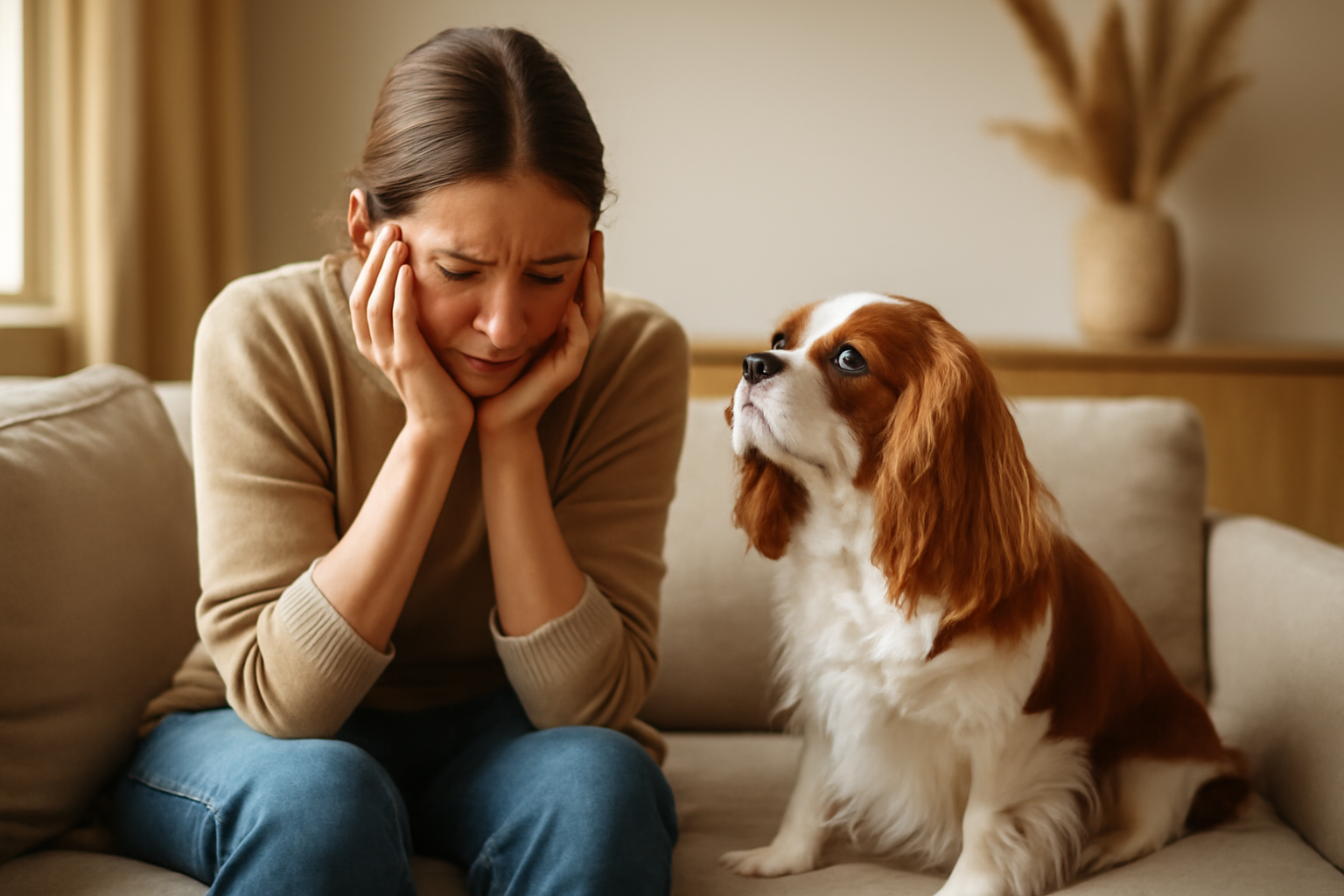
Owning a Cavalier King Charles Spaniel is a delightful experience, filled with boundless love and companionship. However, these adorable pups come with their own set of challenges that can leave even the most devoted dog parents feeling overwhelmed. Understanding these frustrations and knowing how to address them is key to a harmonious life together.
From health issues to grooming needs, let's dive into the common pain points of Cavalier ownership and explore practical solutions to make your journey as a pet owner smoother and more enjoyable.
Table of Contents
Understanding Cavalier King Charles Spaniel Frustrations
Before we jump into solutions, it's important to recognize the common frustrations that Cavalier owners face. These can stem from their unique Cavalier breed characteristics, which influence their behavior, health, and care needs. The Ultimate Guide to Cavalier King Charles Spaniel: Everything You Need to Know.
Health Issues
Cavaliers are known for their sweet temperament, but they are also prone to certain health issues. These can include heart conditions, ear infections, and eye problems. Understanding these Cavalier health considerations is essential for preventive care. Cavalier coat maintenance.
- Heart Disease: Cavaliers are particularly susceptible to mitral valve disease, which can lead to congestive heart failure. Regular veterinary check-ups, including heart screenings, are vital. Owners should watch for symptoms like coughing, lethargy, or difficulty breathing.
- Ear Infections: Their floppy ears can trap moisture and dirt, making them prone to infections. Regular ear cleaning with vet-recommended solutions can help prevent this issue. Look for signs such as shaking their head or scratching at their ears.
- Eye Problems: Conditions like cataracts and dry eye are common. Regular eye exams can catch these issues early. Owners should be observant for signs of squinting, excessive tearing, or redness in the eyes.
Being proactive about these health concerns can significantly enhance your Cavalier's quality of life and reduce the frustration of unexpected vet visits or health crises.
Grooming Needs
With their long, silky coats, Cavalier King Charles Spaniels require regular grooming. This can be a source of frustration for many owners who may not know the best practices. Mastering Cavalier grooming techniques is crucial for keeping their coat healthy and reducing shedding.
- Brushing: Cavaliers should be brushed at least 2-3 times a week to prevent matting. Use a slicker brush and a comb to detangle any knots gently. Pay special attention to behind the ears and under the legs where mats often form.
- Bathing: Regular baths (every 4-6 weeks) with a mild dog shampoo will keep their coat clean and shiny. Make sure to dry them thoroughly afterward, especially around the ears, to prevent infections.
- Professional Grooming: Many owners opt for professional grooming every few months to maintain the coat's length and health. Consider asking your groomer for tips on maintaining your Cavalier's coat between visits.
By establishing a grooming routine, you can minimize shedding and keep your home fur-free, reducing one of the common frustrations of owning this breed.
Separation Anxiety
Cavaliers are affectionate and often develop strong bonds with their owners. This can lead to separation anxiety when left alone for long periods. Recognizing the signs and addressing them early can prevent behavioral issues down the line.
- Signs of Separation Anxiety: Look for excessive barking, destructive behavior, or attempts to escape. They may also become overly clingy or display signs of stress when you prepare to leave.
- Desensitization Techniques: Gradually get your Cavalier used to being alone by starting with short absences and slowly increasing the duration. Provide them with a safe space, like a cozy crate or a designated room, where they feel secure.
- Interactive Toys: Leave engaging toys or puzzle feeders to keep them occupied while you're away. This can help distract them from your absence and reduce anxiety.
Addressing separation anxiety early on can lead to a more peaceful home environment and a happier, less stressed Cavalier. Building their confidence with positive reinforcement will make both your lives easier and more enjoyable.
Quick Diagnosis of Common Frustrations
Identifying the root cause of your frustrations can help you implement effective solutions. Here's a quick diagnosis to help you pinpoint common issues:
-
Frequent Vet Visits: If your Cavalier is often at the vet, it may be a health-related issue that needs immediate attention. Consider keeping a log of your dog's symptoms, behaviors, and any changes in appetite or energy levels. This information can be invaluable for your veterinarian. Additionally, be aware of common health concerns for Cavaliers, such as heart problems, hip dysplasia, and eye issues. Regular check-ups and preventive care, like vaccinations and dental cleanings, are crucial in managing their health. Here's a checklist to help you monitor your Cavalier's health:
- Track weight changes weekly.
- Note any coughing, sneezing, or unusual breathing patterns.
- Monitor their bathroom habits for any signs of distress.
- Keep an eye on their energy levels-are they more lethargic than usual?
-
Excessive Shedding: This could indicate a need for more regular grooming or a dietary adjustment. Cavaliers have a beautiful, silky coat that requires consistent care. Establish a grooming schedule that includes brushing at least two to three times a week to manage shedding. If shedding seems excessive, consider evaluating their diet; high-quality dog food rich in omega fatty acids can improve coat health. Additionally, seasonal changes can affect shedding, so be prepared for extra brushing during spring and fall. Here are some practical grooming tips:
- Use a slicker brush to remove loose hair effectively.
- Schedule professional grooming sessions every 6-8 weeks.
- Consider using a de-shedding tool during peak shedding seasons.
- Introduce supplements, like fish oil, to enhance coat health after consulting your vet.
-
Destructive Behavior: Signs of boredom or anxiety can lead to chewing or digging, especially if your Cavalier is left alone for too long. To combat this, ensure your dog has plenty of physical and mental stimulation. Create a daily routine that includes walks, playtime, and interactive toys. Consider investing in puzzle toys that challenge your dog and keep them engaged. If your Cavalier exhibits signs of separation anxiety, gradually train them to feel comfortable being alone by starting with short absences and increasing the duration over time. Also, providing a cozy, safe space like a crate can help them feel secure when you're not home. Here are some strategies to minimize destructive behavior:
- Rotate their toys regularly to keep them interested.
- Incorporate training sessions into your daily routine to stimulate their mind.
- Provide chew toys specifically designed for anxiety relief.
- Consider dog daycare or playdates with other dogs to help socialize them.
- Use calming aids, such as pheromone diffusers or anxiety wraps, to help soothe your dog during stressful times.
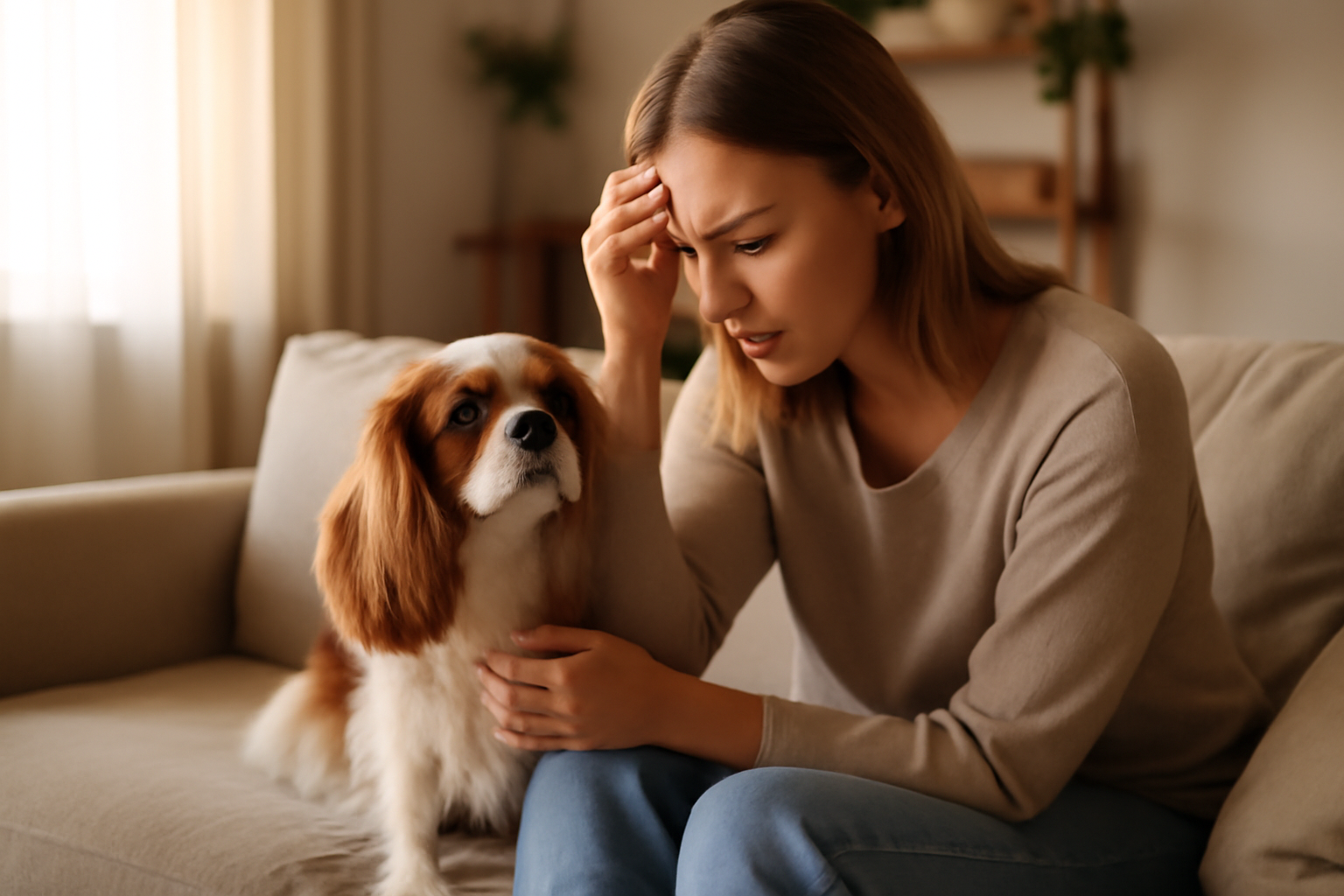
Fix It Fast: Practical Solutions
Now that we have pinpointed the common frustrations, let's explore some swift and effective solutions to enhance your experience as a Cavalier owner.
Addressing Health Concerns
Regular veterinary check-ups are crucial for early diagnosis and treatment of health issues. Additionally, consider these tips:
- Research and choose a vet experienced with Cavalier King Charles Spaniels.
- Invest in pet insurance to help cover unexpected health costs.
- Stay informed about Cavalier health considerations through reputable sources and support groups.
In addition to the above, keep a health journal for your Cavalier. Document any changes in behavior, appetite, or energy levels. This can help your vet spot potential issues early. Remember to ask about breed-specific conditions such as mitral valve disease and syringomyelia during your check-ups. Regular dental care is also vital; consider incorporating dental treats or chews into their routine to promote oral health.
Consider establishing a health checklist that includes:
- Vaccination schedule and reminders
- Regular weight checks to monitor for obesity
- Daily observation notes for any unusual signs (e.g., coughing, limping)
Common mistakes include neglecting dental hygiene or skipping routine vet visits. Make it a habit to brush your Cavalier's teeth at least 2-3 times a week and ensure they are up-to-date on vaccinations. Also, engage with online communities or local Cavalier clubs to exchange health tips and experiences.
Mastering Grooming Techniques
To keep your Cavalier's coat in top shape, establish a grooming routine that works for you:
- Brush your Cavalier's coat at least 2-3 times a week to prevent matting.
- Learn Cavalier King Charles grooming techniques that cater to their specific coat type.
- Schedule professional grooming every couple of months for a thorough clean and trim.
Consider investing in quality grooming tools, such as a slicker brush and a comb specifically designed for long-haired breeds. When brushing, be gentle to avoid hurting your dog's skin. Establish a grooming schedule, ideally after a bath, when their coat is clean and easier to manage. Additionally, keep an eye on their ears and paws; regular cleaning can prevent infections and discomfort.
Here are some practical grooming tips:
- Use a detangling spray to help with stubborn mats.
- Trim the fur around their paws to avoid dirt buildup and slipping.
- Check for ticks or fleas during grooming sessions, especially after outdoor activities.
Common mistakes include rushing the grooming process or using improper tools, which can lead to discomfort for your dog. Take your time, and make grooming a positive experience with treats and praise to help your Cavalier associate it with something enjoyable.
Combating Separation Anxiety
If your Cavalier struggles with separation anxiety, try these strategies:
- Gradually acclimate your dog to being alone by starting with short intervals.
- Provide stimulating toys or puzzles to keep them engaged while you are away.
- Consider crate training to create a safe space they can retreat to when feeling anxious.
Alongside these strategies, establish a consistent departure and arrival routine to help your Cavalier feel more secure. Leave an item with your scent, such as a worn T-shirt, in their space to provide comfort. You might also explore calming products like anxiety wraps or pheromone diffusers designed specifically for dogs. If anxiety persists, consult with a professional dog trainer or behaviorist for tailored solutions.
To further assist in combating separation anxiety, consider implementing these additional tactics:
- Practice desensitization by mimicking your departure routine without actually leaving.
- Use interactive cameras to monitor your dog while you're away; some even allow you to dispense treats remotely.
- Engage in daily exercise to help burn off excess energy before you leave, making your dog more likely to rest while you're gone.
Common mistakes include leaving your dog alone for too long too quickly or not providing enough mental stimulation. Remember, patience is key. With consistent effort and the right strategies, you can help your Cavalier feel more secure and less anxious when you're not home.
Building a Strong Bond
One way to alleviate many frustrations is to strengthen your bond with your Cavalier King Charles Spaniel. Engaging in regular activities together can create a positive environment for both of you. A strong bond can lead to better behavior, reduced anxiety, and a happier pet overall.
- Take daily walks to keep your dog physically active and mentally stimulated. Aim for at least 30 minutes of walking each day, varying your routes to expose your dog to different sights and smells. Consider bringing along a favorite toy or treat to reward good behavior during walks.
- Incorporate training sessions to reinforce good behavior and build trust. Use positive reinforcement techniques, such as treats or praise, when your dog follows commands. Start with basic commands like "sit," "stay," and "come," and gradually introduce more complex tricks. Keep training sessions short and fun-10 to 15 minutes is ideal-to maintain your dog's interest and enthusiasm.
- Spend quality time cuddling or playing to strengthen your emotional connection. Create a cozy spot on the couch or bed where your dog can snuggle with you. Engage in interactive games like fetch or tug-of-war, which can enhance your bond while providing exercise. Consider using toys that stimulate their natural instincts, such as puzzle toys, to keep them mentally engaged.
Establishing a Routine
Dogs thrive on routine, and establishing a consistent daily schedule can help your Cavalier feel secure and loved. Here are some tips to create a routine:
- Feeding Times: Set specific times for meals to create predictability. This also helps with digestion and can prevent begging behavior.
- Bathroom Breaks: Regular bathroom breaks at the same times each day can help your dog learn when to expect them, reducing accidents in the house.
- Playtime: Designate specific times for play, which can be both physical and mental. Rotate toys to keep things fresh and exciting.
Understanding Your Dog's Needs
To build a strong bond, it's essential to understand your Cavalier King Charles Spaniel's unique needs and personality. Here are some aspects to consider:
- Socialization: Cavaliers are known for their friendly nature, but they still need proper socialization with other dogs and people. Arrange playdates or visits to dog parks to help them develop confidence and social skills.
- Grooming: Regular grooming not only keeps your Cavalier looking their best, but it also provides an opportunity for bonding. Brush their coat, check their ears, and trim their nails while giving them plenty of affection and praise.
- Health Care: Regular vet check-ups are crucial for your dog's health. Keeping track of vaccinations and preventive care can help you enjoy many years together.
Common Mistakes to Avoid
While building a bond with your Cavalier King Charles Spaniel, be mindful of these common pitfalls:
- Inconsistency: Inconsistent training or routines can confuse your dog and lead to behavioral issues. Stick to your established schedule and be consistent with commands and expectations.
- Neglecting Mental Stimulation: Cavaliers are intelligent dogs that require mental challenges. Failing to provide enough stimulation can lead to boredom and destructive behaviors. Incorporate puzzle toys and training games into your routine.
- Ignoring Body Language: Pay attention to your dog's body language. If they seem stressed or anxious, take a step back and reassess the situation. Understanding their signals can help you respond appropriately and strengthen your bond.
Conclusion
Owning a Cavalier King Charles Spaniel can be incredibly rewarding, despite the frustrations that may arise. By understanding their needs and implementing practical solutions, you can navigate the challenges of Cavalier ownership with ease. Start by establishing a grooming routine, scheduling regular vet visits, and creating a comfortable environment for your pup. Remember, a happy Cavalier equals a happy home!
Establishing a Grooming Routine
Regular grooming is essential for the health and well-being of your Cavalier. Their beautiful, long coats require consistent care to prevent matting and skin issues. Here's a practical checklist to help you establish an effective grooming routine:
- Daily Brushing: Brush your Cavalier's coat daily to remove loose hair and prevent tangles. Use a slicker brush for best results.
- Bathing: Bathe your Cavalier every 4-6 weeks, or as needed, using a gentle dog shampoo. This helps keep their coat clean and healthy.
- Ear Cleaning: Check their ears weekly for dirt and wax buildup. Use a vet-recommended ear cleaner to keep them clean.
- Nail Trimming: Trim their nails every 3-4 weeks to prevent discomfort and potential injuries. If you're unsure, ask your vet for a demonstration.
- Professional Grooming: Consider scheduling a professional grooming session every few months for a thorough clean and trim.
Scheduling Regular Vet Visits
Regular veterinary check-ups are crucial for maintaining your Cavalier's health. Here are some practical steps to ensure your pup gets the care they need:
- Annual Check-Ups: Schedule at least one annual vet visit for vaccinations and health assessments.
- Dental Care: Discuss dental health with your vet, as Cavaliers are prone to dental issues. Regular cleanings may be necessary.
- Vaccination Schedule: Stay up-to-date with vaccinations to protect your dog from common diseases.
- Health Monitoring: Keep an eye on your Cavalier's weight and behavior. Report any changes to your vet promptly.
- Emergency Plan: Know the location of the nearest emergency vet clinic in case of unexpected health issues.
Creating a Comfortable Environment
A comfortable home environment is key to a happy Cavalier. Here are some tips to create a cozy space for your pup:
- Cozy Bedding: Provide a soft, supportive bed in a quiet area of your home where your Cavalier can retreat and rest.
- Toys and Enrichment: Offer a variety of toys to keep your dog mentally stimulated. Puzzle toys can be particularly engaging.
- Safe Spaces: Ensure your home is safe by removing hazards such as toxic plants, choking hazards, and sharp objects.
- Temperature Control: Keep your home at a comfortable temperature, as Cavaliers can be sensitive to extreme heat or cold.
- Routine and Structure: Establish a daily routine for feeding, walks, and playtime, which helps your Cavalier feel secure and loved.
By addressing these key areas-grooming, veterinary care, and creating a comfortable environment-you can significantly reduce the frustrations of owning a Cavalier King Charles Spaniel. Remember, every challenge can be met with patience and love, ensuring both you and your furry friend enjoy a fulfilling and joyful life together!


