

Step-by-Step Guide to Grooming Your Cavalier King Charles Spaniel
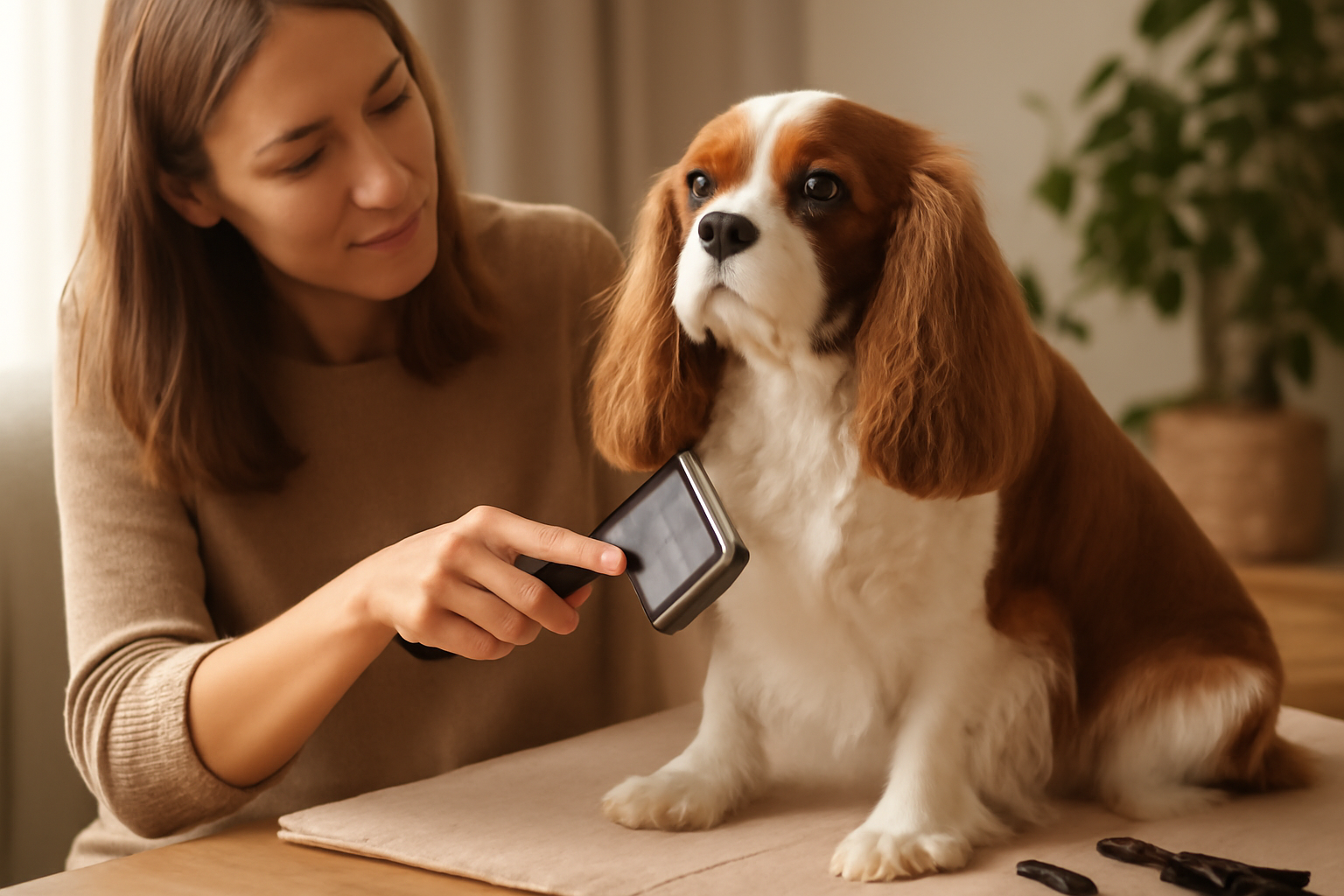
Grooming your Cavalier King Charles Spaniel can be a delightful experience, allowing you to bond with your fluffy friend while ensuring they look and feel their best. With their beautiful, long coats and charming personalities, these dogs deserve a grooming routine that highlights their elegance and keeps them comfortable.
This guide will walk you through the essential steps to groom your Cavalier King Charles Spaniel effectively. From brushing techniques to bathing tips, you'll learn everything you need to keep your pup looking fabulous and healthy!
Table of Contents
Step 1: Gather Your Grooming Supplies
Before you start grooming, gather the necessary tools to make the process smooth and enjoyable. Having the right supplies not only makes grooming easier but also helps keep your Cavalier King Charles Spaniel looking their best. Here's a checklist of items to have on hand:
- Quality dog brush (pin brush or slicker brush)
- Dog shampoo and conditioner
- Dog nail clippers or grinder
- Ear cleaning solution and cotton balls
- Toothbrush and dog toothpaste
- Grooming scissors (blunt tip for safety)
Each tool serves a specific purpose, and using the right one will help you achieve the best results. Let's delve deeper into each item on the list to ensure you understand their importance and how to use them effectively.
Quality Dog Brush
A quality dog brush is essential for maintaining your Cavalier's luxurious coat. The two best options are:
- Pin Brush: Ideal for removing tangles and mats, this brush is gentle on the skin and helps to distribute natural oils.
- Slicker Brush: Perfect for removing loose fur and debris, it has fine, short wires close together that can penetrate deeper into the coat.
When brushing, start from the head and work your way down to the tail, using gentle strokes to avoid tugging on any knots. Aim to brush your Cavalier at least 2-3 times a week to prevent matting.
Dog Shampoo and Conditioner
Using a dog-specific shampoo and conditioner is crucial for keeping your Cavalier's coat clean and healthy. Look for products that are:
- Hypoallergenic: This is especially important if your dog has sensitive skin.
- Moisturizing: Cavalier King Charles Spaniels have long hair that can become dry, so a moisturizing formula will help maintain softness.
When bathing, ensure you wet your dog thoroughly before applying shampoo. Lather well and rinse thoroughly to avoid any residue that could irritate their skin. Follow up with conditioner to keep their coat silky and manageable.
Dog Nail Clippers or Grinder
Keeping your Cavalier's nails trimmed is essential for their overall health. You can choose between:
- Nail Clippers: These can be scissor-type or guillotine-type clippers. Choose a size that fits comfortably in your hand and is appropriate for your dog's size.
- Nail Grinder: This tool files down the nail instead of cutting it, which can be less stressful for some dogs and reduces the risk of cutting too close to the quick.
When trimming, be sure to take your time and reward your dog with treats to create a positive experience. Aim to trim their nails every 3-4 weeks.
Ear Cleaning Solution and Cotton Balls
Maintaining your Cavalier's ear health is vital, as they are prone to ear infections. Use a vet-approved ear cleaning solution and cotton balls to:
- Gently wipe the outer ear to remove dirt and wax.
- Apply the cleaning solution to a cotton ball and clean the ear canal carefully, avoiding deep insertion.
Check their ears weekly and clean as needed, especially after baths or swimming.
Toothbrush and Dog Toothpaste
Dental hygiene is often overlooked but is crucial for your Cavalier's health. Invest in:
- Dog Toothbrush: A soft-bristled toothbrush designed for dogs is ideal.
- Dog Toothpaste: Never use human toothpaste; opt for dog-friendly flavors.
Brush your dog's teeth at least 2-3 times a week to prevent plaque buildup and maintain fresh breath. Start slowly, allowing your dog to get used to the toothbrush and toothpaste.
Grooming Scissors
Grooming scissors are essential for trimming any excess hair around the paws, eyes, and ears. Choose:
- Blunt Tip Scissors: These are safer and help prevent accidental pokes.
When using scissors, be cautious and take your time. Trim small amounts and regularly check for any uneven areas to keep your Cavalier looking sharp and tidy.
By gathering these grooming supplies and understanding their uses, you will set yourself up for a successful grooming session. Remember, patience and positive reinforcement will make the experience enjoyable for both you and your Cavalier King Charles Spaniel.
Step 2: Brush Your Cavalier's Coat
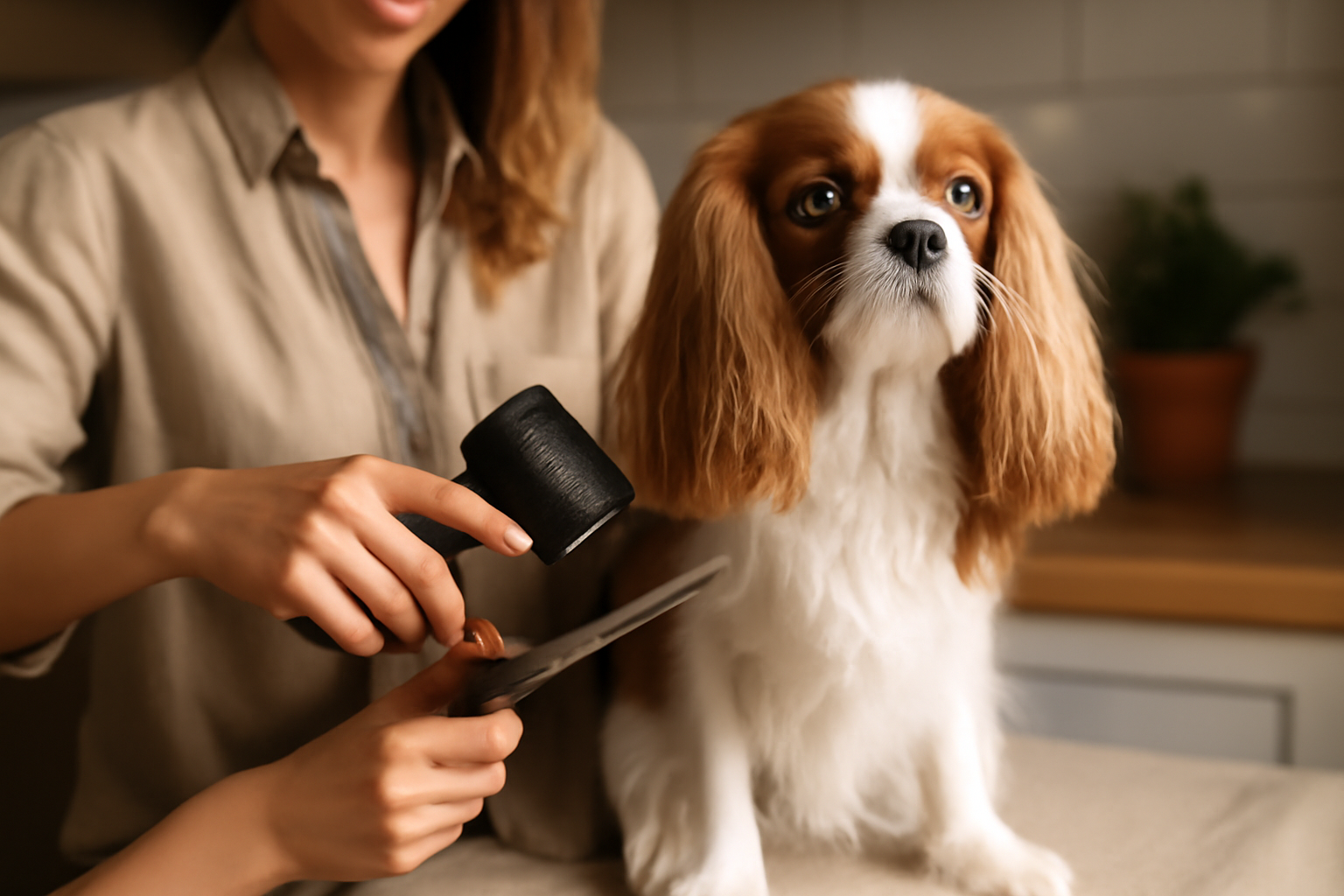
Regular brushing is crucial for maintaining a Cavalier's coat. Their long fur can mat easily, so it's important to brush them at least two to three times a week.
Brushing Technique
Start by gently brushing from the root to the tip, taking care to remove any tangles. Work in sections, focusing on areas prone to matting, such as behind the ears and under the legs. Be patient and use treats to make the process enjoyable for your dog.
Step 3: Bathing Your Cavalier King Charles Spaniel
Bathing should be done every 4-6 weeks or as needed. Use dog-specific shampoo and conditioner to keep their coat healthy and shiny.
Bathing Steps
- Brush your dog before bathing to remove loose hair and tangles.
- Wet their coat thoroughly with warm water, avoiding their ears and eyes.
- Apply a small amount of shampoo and lather, massaging it into the coat.
- Rinse thoroughly to avoid any residue, then apply conditioner if desired.
- Dry them gently with a towel or use a pet-safe hairdryer on a low setting.
Step 4: Nail Trimming
Keeping your Cavalier's nails trimmed is essential for their overall health. Overgrown nails can cause discomfort and lead to health issues such as painful splaying or even injury to the paw. Regular nail trimming not only keeps your dog comfortable but also helps prevent damage to your floors and furniture.
Nail Trimming Tips
Trim your dog's nails every 3-4 weeks. Use dog nail clippers or a grinder, being careful to avoid the quick (the pink area inside the nail). If you're unsure, ask your vet or groomer for guidance. Here are some practical steps to make the process smoother:
- Gather Your Supplies: Before starting, ensure you have all necessary tools at hand. This includes dog nail clippers or a grinder, styptic powder (to stop bleeding in case you accidentally cut the quick), treats for positive reinforcement, and a comfortable space for both you and your Cavalier.
- Get Your Dog Comfortable: Choose a quiet, well-lit area where your Cavalier feels at ease. You might want to have them sit on a non-slip surface. If your dog is nervous, consider having someone help you by holding and soothing them.
- Examine the Nails: Look closely at your dog's nails to identify the quick. For dogs with dark nails, it can be harder to see the quick, so trim small amounts at a time to avoid cutting too deep.
- Start Slowly: If your Cavalier is not used to nail trimming, start with just one or two nails per session. Gradually increase the number of nails you trim as your dog becomes more comfortable.
- Use Positive Reinforcement: After trimming each nail or after a successful session, reward your dog with treats and praise. This helps them associate nail trimming with positive experiences.
- Check for Splits or Cracks: As you trim, inspect the nails for any signs of splitting or cracking. If you notice any issues, consult your vet for advice on treatment.
- Be Mindful of Frequency: While every 3-4 weeks is a general guideline, some dogs may need more frequent trims depending on their activity level and how quickly their nails grow. Observe your Cavalier's nails regularly to determine the best schedule.
Common Mistakes to Avoid
Even experienced pet owners can make mistakes when it comes to nail trimming. Here are some common pitfalls to avoid:
- Rushing the Process: Take your time. Rushing can lead to mistakes and make your dog anxious. If your Cavalier is particularly fidgety, consider taking breaks during the trimming process.
- Ignoring the Quick: Always be cautious of the quick. Cutting into it can cause pain and bleeding, making future trims more difficult. If you accidentally cut the quick, apply styptic powder immediately to stop the bleeding.
- Neglecting Regular Trims: Waiting too long between trims can lead to overgrown nails, which can be painful for your dog. Make nail trimming a regular part of your grooming routine.
- Forgetting the Dewclaws: Some Cavalier King Charles Spaniels have dewclaws on their front legs, which also need trimming. Don't overlook these nails as they can grow into the skin if neglected.
By following these steps and tips, you'll help ensure that your Cavalier's nails stay healthy and manageable. Regular nail trimming is a vital part of grooming that contributes to your dog's overall well-being and comfort.
Step 5: Ear Care
Cavalier King Charles Spaniels are prone to ear infections, so regular ear cleaning is vital. Check their ears weekly for dirt or wax buildup. Keeping their ears clean not only helps prevent infections but also allows you to monitor for any unusual changes that may indicate a health issue.
Cleaning Procedure
- Use a cotton ball soaked in an ear cleaning solution. Choose a vet-recommended solution specifically designed for dogs, as human products may irritate their ears.
- Gently wipe the inside of the ear flap, avoiding the ear canal. Make sure to clean the crevices and folds of the ear flap where dirt and moisture can accumulate. Be gentle to avoid causing any discomfort.
- Reward your dog for being still and cooperative. Positive reinforcement is key! Use treats, praise, or a favorite toy to create a positive association with ear cleaning.
Additional Tips for Ear Care
- Check for signs of infection: Look for redness, swelling, or an unusual odor. If you notice any of these signs, consult your veterinarian.
- Be cautious with water: When bathing your Cavalier, try to keep water out of their ears. You can place cotton balls in their ears to help absorb any moisture, but remember to remove them afterward.
- Consider regular vet check-ups: Regular veterinary visits can help catch any ear issues early. Your vet can also show you the best cleaning techniques tailored for your dog's specific needs.
Common Mistakes to Avoid
- Using Q-tips: Avoid using Q-tips or similar objects, as they can push wax further into the ear canal or cause injury.
- Skipping cleanings: Don't wait until you see dirt or wax buildup. Regular weekly checks and cleanings can prevent problems before they start.
- Ignoring signs of discomfort: If your dog shows signs of discomfort during cleaning, such as pulling away or whining, stop immediately and consult your vet.
When to Seek Professional Help
If your Cavalier King Charles Spaniel experiences frequent ear infections, has excessive wax buildup, or shows signs of pain, it's essential to consult a veterinarian. They can provide a thorough examination and recommend a tailored ear care routine or treatment plan.
Step 6: Dental Care
Maintaining your Cavalier's dental hygiene is just as important as grooming their coat. Regular brushing helps prevent dental disease, which can lead to serious health issues if left unchecked. A healthy mouth contributes to overall well-being, ensuring your furry friend stays happy and active.
Brushing Their Teeth
Brush your dog's teeth a few times a week using dog-specific toothpaste. Human toothpaste can be toxic to dogs, so it's crucial to use a formula designed for pets. Choose a flavor that your Cavalier enjoys, such as poultry or peanut butter, to make the process more appealing.
To introduce the toothbrush gradually, start by letting your dog sniff and lick the toothpaste from your finger. Once they're comfortable, proceed with the toothbrush. Use a soft-bristled toothbrush or a finger brush for gentle cleaning. Aim to brush in circular motions, focusing on the gum line and the back teeth where plaque tends to accumulate. Reward them with treats and praise throughout the process to create a positive association with dental care.
Establishing a Routine
Consistency is key to maintaining your Cavalier's dental health. Establish a routine by choosing specific days and times for brushing. This could be after their evening meal when they are more relaxed. Keeping a chart or calendar can help you track your brushing sessions and ensure you're staying on schedule. Aim for at least two to three brushing sessions per week, but daily brushing is ideal for optimal dental health.
Dental Chews and Toys
In addition to regular brushing, consider incorporating dental chews and toys into your Cavalier's routine. These products are designed to help reduce plaque and tartar buildup while providing entertainment. Look for chews that are approved by veterinary dental organizations, as they are formulated to support oral health. Supervise your dog while they chew to ensure they don't swallow large pieces.
Professional Dental Cleanings
Even with regular brushing and dental chews, professional dental cleanings are essential. Schedule a veterinary dental check-up at least once a year, or more frequently if recommended by your vet. During this visit, the veterinarian will perform a thorough cleaning under anesthesia, checking for any signs of dental disease or issues that may need addressing. Early intervention can prevent more serious problems down the line.
Common Mistakes to Avoid
- Skipping brushing: Many pet owners underestimate the importance of regular brushing. Make it a non-negotiable part of your grooming routine.
- Using human toothpaste: Always opt for toothpaste specifically formulated for dogs to avoid harmful ingredients.
- Ignoring bad breath: Bad breath can be a sign of dental disease. If your Cavalier's breath smells foul, consult your veterinarian.
By prioritizing dental care, you'll help ensure your Cavalier King Charles Spaniel enjoys a healthy mouth and a happy life. With a little patience and consistency, dental hygiene can become a manageable part of your grooming routine.
Step 7: Common Mistakes to Avoid
Even with the best intentions, mistakes can happen during grooming. Here are some common pitfalls to avoid:
- Skipping regular grooming sessions can lead to matted fur.
- Using human shampoo can irritate your dog's skin; always use pet-specific products.
- Neglecting dental care can lead to serious health issues.
1. Inconsistent Grooming Schedule
One of the most significant mistakes is not sticking to a regular grooming schedule. Cavalier King Charles Spaniels require consistent grooming to keep their coats healthy and free from mats. Aim for at least once a week for brushing, and increase the frequency during shedding seasons. Here's a simple checklist to help you stay on track:
- Set reminders on your phone or calendar.
- Keep grooming tools in a dedicated spot for easy access.
- Consider creating a grooming log to track sessions and any issues you notice.
2. Improper Tools
Using the wrong grooming tools can lead to discomfort for your Cavalier. Ensure you have the right brushes and combs suited for their coat type. For example:
- A slicker brush is excellent for removing tangles and mats.
- A bristle brush can help smooth the coat and add shine.
- Invest in a good pair of scissors for trimming around sensitive areas, like the eyes and paws.
Always check your tools for wear and tear, as dull blades can pull on the fur and cause pain.
3. Incorrect Bathing Frequency
Bathing your Cavalier too frequently can strip their coat of natural oils, leading to dryness and irritation. On the other hand, not bathing them enough can result in a dirty, smelly dog. Here's a guideline for bathing:
- Bath your Cavalier every 4-6 weeks, unless they get particularly dirty.
- Use lukewarm water and ensure all shampoo is thoroughly rinsed out to prevent skin irritation.
- Consider using a conditioner specifically designed for dogs to maintain coat health.
4. Overlooking Ear Care
Cavalier King Charles Spaniels are prone to ear infections due to their long, floppy ears. Neglecting ear care can lead to serious health issues. Follow these steps to keep their ears healthy:
- Check their ears weekly for dirt, wax buildup, or signs of infection.
- Use a vet-approved ear cleaner to gently clean the outer ear; avoid inserting anything deep into the ear canal.
- Keep the hair around the ears trimmed to promote air circulation.
5. Ignoring Nail Care
Long nails can cause discomfort and lead to mobility issues. Regular nail trimming is essential. Here's how to avoid common mistakes with nail care:
- Use a good quality dog nail clipper or grinder.
- Trim nails every 2-4 weeks, depending on your dog's activity level.
- Be cautious not to cut too close to the quick, which can cause bleeding and pain. If unsure, consult your vet or a professional groomer for guidance.
6. Neglecting Dental Hygiene
Dental health is often overlooked but is crucial for your Cavalier's overall well-being. Here's a simple dental care routine:
- Brush your dog's teeth at least 2-3 times a week using dog-specific toothpaste.
- Provide dental chews or toys that promote oral health.
- Schedule regular veterinary dental cleanings as needed.
By being aware of these common mistakes and taking proactive steps, you can ensure that your grooming sessions are effective and enjoyable for both you and your Cavalier King Charles Spaniel. Happy grooming!
Conclusion: Enjoy the Grooming Process
Grooming your Cavalier King Charles Spaniel doesn't have to be a chore. With the right tools and techniques, you can create a positive experience for both you and your pup. Remember to take your time, be gentle, and enjoy these moments together. Happy grooming!
To ensure that grooming remains a delightful bonding activity, consider incorporating the following practical steps and tips into your routine:
1. Set Up a Comfortable Grooming Area
Choose a quiet, well-lit space where you and your Cavalier can relax. A non-slip mat can help your dog feel secure, and having all your grooming tools within reach will streamline the process. Here's a checklist of what you might need:
- Brush (slicker brush and comb)
- Dog shampoo and conditioner
- Scissors for trimming
- Nail clippers or grinder
- Ear cleaning solution
- Towels for drying
2. Create a Routine
Establishing a consistent grooming schedule can help your Cavalier get used to the process. Aim for grooming sessions at least once a week, and include a bath every month or as needed. Here's a simple routine to follow:
- Brush your dog to remove tangles and loose fur.
- Check their ears and clean if necessary.
- Give your pup a bath using dog-friendly products.
- Dry them thoroughly with a towel or a pet dryer on a low setting.
- Trim nails and check paw pads for any debris.
3. Use Positive Reinforcement
Make grooming a fun experience by using treats and praise. After each grooming session, reward your Cavalier with their favorite treat or a playtime session. This positive reinforcement will help them associate grooming with good things, making future sessions easier.
4. Be Patient and Gentle
Your Cavalier may not always enjoy grooming, especially if they are new to it. Take your time, and if they seem anxious, take a break. Here are some common mistakes to avoid:
- Rushing through the process-this can lead to stress for both you and your dog.
- Using inappropriate tools that can cause discomfort.
- Ignoring signs of anxiety, such as whining or trying to escape.
5. Schedule Professional Grooming When Needed
While at-home grooming is essential, don't hesitate to seek professional help if you feel overwhelmed or if your pup requires specialized care. A professional groomer can provide services like deep cleaning, advanced styling, and even health checks. Consider scheduling a professional grooming session every few months to give your Cavalier a fresh start.
By following these steps and incorporating them into your grooming routine, you can transform grooming time into a cherished bonding experience. Remember, the goal is to keep your Cavalier looking their best while ensuring they feel loved and cared for throughout the process. Enjoy your grooming adventures together!


