

Essential Guide to Caring for Your Cavalier King Charles Spaniel
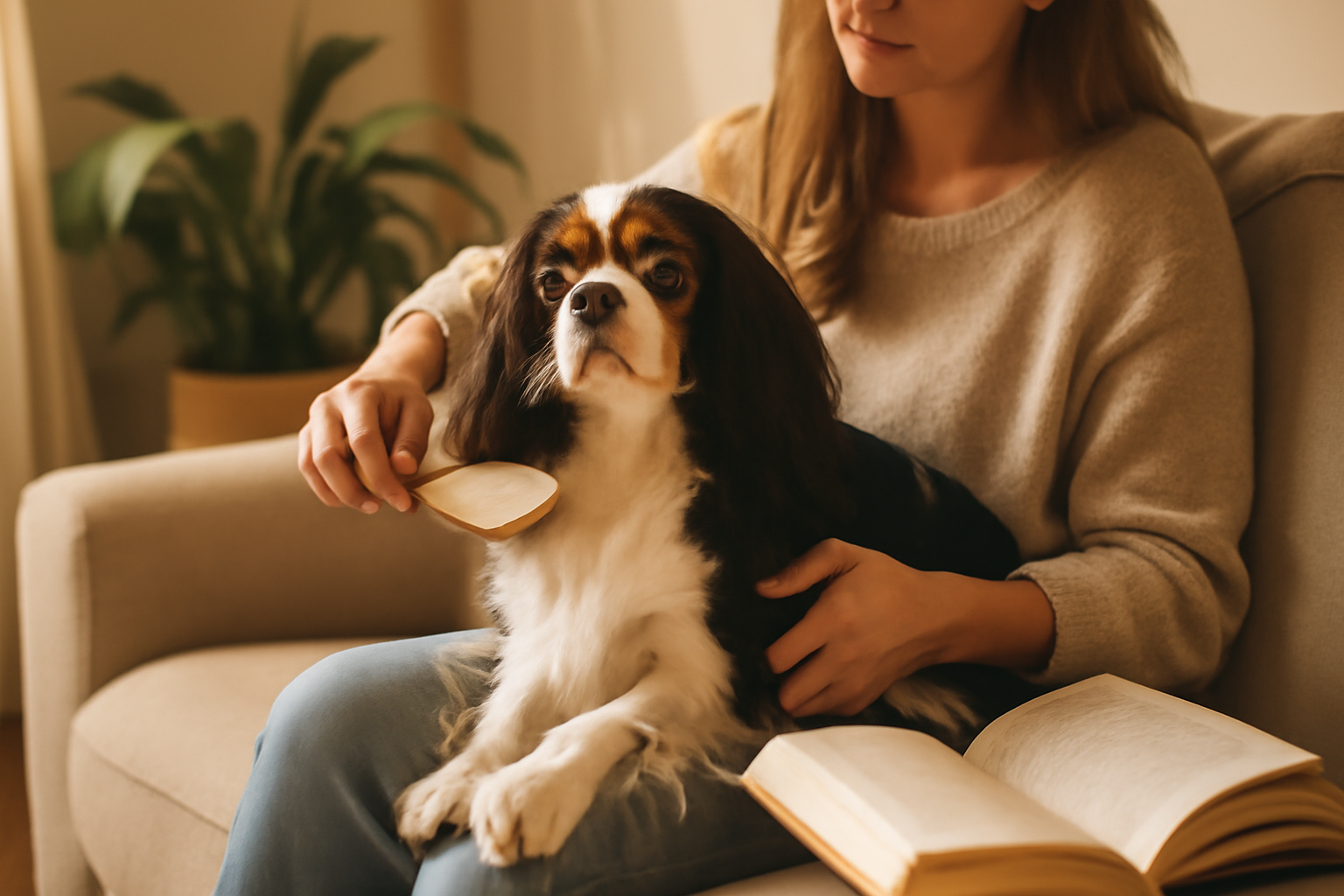
Welcoming a Cavalier King Charles Spaniel into your home is a delightful experience filled with love, laughter, and plenty of tail wags. These affectionate pups are known for their charming personalities and gentle nature, making them wonderful companions for families and individuals alike. However, caring for a Cavalier requires understanding their unique needs to ensure they thrive.
In this guide, we'll break down the essential steps for caring for your Cavalier King Charles Spaniel, covering everything from nutrition and grooming to health considerations and training. With a little love and attention, you can provide a happy and fulfilling life for your furry friend!
Table of Contents
- Step 1: Understanding Cavalier Breed Characteristics
- Step 2: Nutrition for Your Cavalier King Charles Spaniel
- Step 3: Grooming Your Cavalier King Charles Spaniel
- Step 4: Exercise Requirements
- Step 5: Health Considerations
- Step 6: Training Your Cavalier King Charles Spaniel
- Step 7: Creating a Loving Environment
- Conclusion
Step 1: Understanding Cavalier Breed Characteristics
The first step in caring for your Cavalier King Charles Spaniel is to understand their breed characteristics. Cavaliers are known for being friendly, affectionate, and sociable dogs. They thrive on companionship and are typically wonderful with children and other pets.
Temperament
Cavaliers are known for their gentle disposition and eagerness to please. They are often described as playful and affectionate, making them great family pets. Their sociable nature means they need plenty of interaction with their human companions.
Size and Lifespan
Cavaliers are small dogs, usually weighing between 13 to 18 pounds and standing about 12 to 13 inches tall. They have a lifespan of around 12 to 15 years, so providing proper care throughout their life stages is crucial.
Step 2: Nutrition for Your Cavalier King Charles Spaniel
Providing the right nutrition is fundamental to your Cavalier's health and well-being. A balanced diet helps maintain their energy levels, coat quality, and overall health. As a breed that is prone to certain health issues, careful attention to their diet can make a significant difference in their longevity and quality of life.
Choosing the Right Food
Opt for high-quality dog food that meets the specific needs of small breed dogs. Look for foods that contain real meat as the first ingredient and avoid those with excessive fillers or artificial additives. Here's a checklist to help you choose the best food for your Cavalier:
- Protein Source: Ensure the first ingredient is a named meat (e.g., chicken, beef, or fish).
- Whole Grains: Look for whole grains like brown rice or oats instead of corn or wheat.
- Healthy Fats: Check for healthy fats like chicken fat or fish oil, which are good for skin and coat health.
- Vitamins and Minerals: Ensure the food is fortified with essential vitamins and minerals for overall health.
- Age-Appropriate Formula: Choose a formula that is appropriate for your Cavalier's life stage (puppy, adult, or senior).
Additionally, consider consulting with your veterinarian to determine if your Cavalier has specific dietary needs or restrictions, especially if they have health concerns like heart disease or allergies.
Portion Control
Since Cavaliers can be prone to obesity, it's essential to measure their food and follow the feeding guidelines on the dog food package. Regularly monitor their weight and adjust portions as necessary. Here are some practical tips for effective portion control:
- Use a Measuring Cup: Invest in a measuring cup to ensure you are providing the correct amount of food based on your Cavalier's weight and activity level.
- Feeding Schedule: Establish a consistent feeding schedule, typically two meals a day, to help regulate their appetite and metabolism.
- Monitor Treats: Treats should not exceed 10% of their daily caloric intake. Opt for healthy, low-calorie treats, and consider using small pieces of their regular kibble as treats during training.
- Regular Weigh-Ins: Weigh your Cavalier monthly to keep track of any weight changes. If you notice significant weight gain or loss, consult your veterinarian.
Common mistakes to avoid include free-feeding (leaving food out all day) and not adjusting food portions based on your Cavalier's activity level as they age. Keeping a journal of their food intake and weight changes can help you stay on track.
Special Dietary Considerations
Some Cavalier King Charles Spaniels may have special dietary considerations due to health issues or sensitivities. Here are a few to keep in mind:
- Heart Health: Cavaliers are prone to heart disease. Look for foods enriched with taurine and omega-3 fatty acids to support heart health.
- Allergies: If your Cavalier shows signs of allergies (like itching or gastrointestinal upset), consider a limited ingredient diet or hypoallergenic dog food.
- Weight Management: If your Cavalier is overweight, consult your veterinarian for a weight management plan, which may include a specialized weight control dog food.
Incorporating fresh fruits and vegetables as treats can also be beneficial. Safe options include carrots, blueberries, and green beans, which can provide additional nutrients without excessive calories.
By ensuring your Cavalier receives the right nutrition, you'll be setting them up for a happy and healthy life filled with playful moments and tail wags!
Step 3: Grooming Your Cavalier King Charles Spaniel
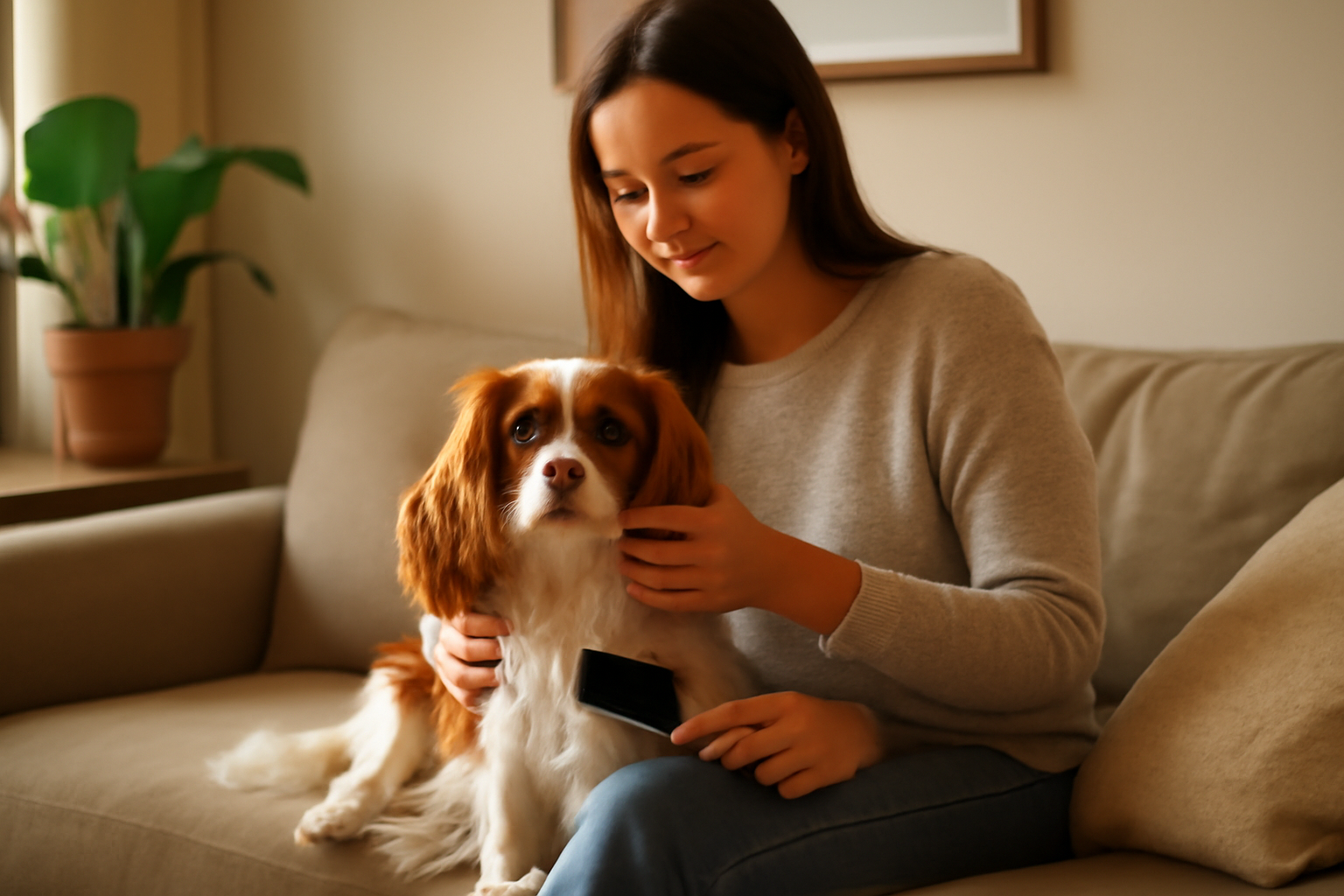
Cavaliers have a beautiful, silky coat that requires regular grooming to prevent mats and tangles. Here's how to keep their coat in top condition.
Brushing
Brush your Cavalier's coat at least two to three times a week to minimize shedding and keep their fur healthy. A slicker brush or a comb can help remove loose hair and detangle any knots.
Bathing
Bathing your Cavalier every four to six weeks is usually sufficient. Use a gentle dog shampoo to maintain the quality of their coat and avoid skin irritation.
Nail Trimming and Ear Care
Regular nail trimming is essential, as Cavaliers can be prone to overgrown nails. Additionally, check their ears weekly for dirt and wax buildup, and clean them as needed to prevent infections.
Step 4: Exercise Requirements
Although Cavaliers are small, they have moderate energy levels and need regular exercise to stay healthy. Here's how to fulfill their exercise needs.
Daily Walks
Take your Cavalier on daily walks of at least 30 minutes. This not only provides physical exercise but also mental stimulation from exploring their surroundings. Aim for two walks a day if possible, splitting the time into shorter sessions if your schedule requires it. Use a comfortable, well-fitted harness to ensure their safety and comfort during walks.
- Morning Walk: Start your day with a refreshing morning walk. This helps both you and your Cavalier wake up and get energized for the day ahead.
- Evening Walk: An evening stroll can help your Cavalier wind down, making it easier for them to settle in for the night.
Vary your walking routes to keep things interesting for your Cavalier. Explore parks, nature trails, or even your neighborhood to provide new scents and sights to stimulate their curiosity.
Playtime
Incorporate playtime into your daily routine. Engage your Cavalier with toys, games of fetch, or even gentle tug-of-war to keep them active and entertained. Here are some ideas to make playtime more enjoyable:
- Fetch: Use a soft ball or a favorite toy to play fetch. Cavaliers love to chase, and this game can be played indoors or outdoors.
- Tug-of-War: A sturdy rope toy can provide a great opportunity for bonding. Just ensure to teach your Cavalier to release the toy on command to maintain control during play.
- Interactive Toys: Invest in puzzle toys that challenge your Cavalier mentally. These toys can keep them occupied and stimulate their problem-solving skills.
Limit playtime to about 15-20 minutes per session to avoid overexertion, especially in hot weather. Monitor your Cavalier for signs of fatigue, such as excessive panting or lagging behind.
Socialization and Group Activities
Cavalier King Charles Spaniels are social dogs and thrive on interaction with other dogs and people. Consider enrolling your Cavalier in group classes or playdates to enhance their social skills and provide additional exercise. Here are some options:
- Dog Parks: Visiting a local dog park can offer your Cavalier the chance to run freely and play with other dogs. Always supervise their interactions to ensure they are safe and comfortable.
- Obedience Classes: These classes not only provide exercise but also enhance your dog's training and behavior, making them more well-rounded companions.
- Agility Training: If your Cavalier enjoys a challenge, consider agility training. It's a fun way to exercise while building their confidence and strengthening your bond.
Common Mistakes to Avoid
When it comes to exercising your Cavalier King Charles Spaniel, there are a few common pitfalls to avoid:
- Overexertion: Cavaliers are prone to heart issues, so avoid pushing them too hard, especially in hot or humid weather. Always adjust the intensity and duration of exercise based on their age and health.
- Neglecting Mental Stimulation: Physical exercise is important, but don't forget about mental challenges. Boredom can lead to destructive behaviors, so mix in puzzle toys and training exercises.
- Inconsistent Routine: Establish a regular exercise routine to help your Cavalier understand when to expect their daily activities. Consistency can help them feel secure and content.
By ensuring your Cavalier receives adequate exercise through walks, playtime, and social activities, you will contribute to their overall health and happiness. Remember, a well-exercised Cavalier is a happy Cavalier!
Step 5: Health Considerations
As a responsible pet owner, it's crucial to be aware of specific Cavalier health considerations. Regular veterinary check-ups are vital to monitor their health and catch any potential issues early. Establishing a good relationship with your veterinarian can help ensure that your Cavalier receives the best possible care throughout their life.
Common Health Issues
Cavaliers can be prone to certain health problems, including heart conditions like mitral valve disease, eye disorders, and hip dysplasia. Here's a closer look at these conditions:
- Mitral Valve Disease: This is the most common heart condition in Cavaliers. Symptoms may include coughing, difficulty breathing, and lethargy. Regular veterinary check-ups should include heart screenings, especially as your dog ages.
- Eye Disorders: Cavaliers can suffer from cataracts and retinal problems, which can lead to vision loss. Regular eye examinations are recommended, particularly if you notice any changes in your dog's vision or behavior.
- Hip Dysplasia: This genetic condition affects the hip joint and can lead to arthritis. Watch for signs of discomfort, such as limping or difficulty in rising. Your vet may suggest X-rays to assess hip health, especially if your Cavalier is showing symptoms.
Discuss these risks with your veterinarian and consider regular screenings as your dog ages. Keeping a health journal can also be beneficial for tracking any changes in your dog's behavior or health status over time.
Vaccinations and Preventive Care
Ensure your Cavalier is up to date on vaccinations and preventive care, including flea and tick prevention. A comprehensive vaccination schedule typically includes:
- Core vaccines such as rabies, distemper, and parvovirus.
- Non-core vaccines based on lifestyle and exposure risk, such as Bordetella and Lyme disease vaccines.
Regular dental care is also essential, as dental issues are common in small breeds. Here are some practical steps for maintaining your Cavalier's dental health:
- Daily Brushing: Aim to brush your dog's teeth daily using a toothbrush and toothpaste specifically designed for dogs.
- Dental Chews: Provide dental chews that can help reduce plaque and tartar buildup.
- Professional Cleanings: Schedule professional dental cleanings with your veterinarian at least once a year.
Additionally, consider incorporating regular wellness checks that focus on weight management, nutrition, and exercise routines. Keeping your Cavalier at a healthy weight can prevent many health issues and contribute to a longer, happier life. Always consult with your veterinarian to tailor a health plan specific to your dog's needs.
Step 6: Training Your Cavalier King Charles Spaniel
Training is a vital aspect of your Cavalier's development and helps ensure they are well-behaved and socialized. Here's a basic overview of training techniques, along with some practical tips to enhance your training experience.
Socialization
Expose your Cavalier to various environments, people, and other animals early on. Early socialization helps them become confident and well-adjusted adults. Consider the following steps:
- Start Early: Begin socialization as soon as you bring your Cavalier home. The critical window for socialization is between 3 to 14 weeks of age.
- Varied Experiences: Introduce your Cavalier to different settings, such as parks, busy streets, and quiet neighborhoods. Each new experience helps them adapt to various stimuli.
- Meet New People: Arrange playdates with friendly dogs and allow your Cavalier to interact with people of all ages. This exposure helps reduce fear and builds confidence.
- Positive Reinforcement: Use treats and praise during socialization to create positive associations with new experiences. This encourages your Cavalier to remain calm and open to new interactions.
Common mistakes include overwhelming your Cavalier with too many new experiences at once or failing to supervise interactions with unfamiliar dogs. Always monitor their reactions and proceed at their pace.
Basic Commands
Teach your Cavalier basic commands such as sit, stay, and come. Positive reinforcement techniques, like treats and praise, work best with Cavaliers, as they respond well to encouragement. Here's a step-by-step guide:
- Start with 'Sit': Hold a treat close to your Cavalier's nose, then move your hand up, allowing their head to follow the treat. As their head goes up, their bottom will lower. Once they are in the sitting position, say "sit," and give them the treat.
- Introduce 'Stay': Ask your Cavalier to sit. Open your palm in front of their face and say "stay." Take a few steps back. If they stay put, return and reward them. Gradually increase the distance and duration.
- Practice 'Come': Use a long leash for safety. Call your Cavalier's name followed by "come." When they come to you, reward them with treats and lots of praise. Make sure to practice this in a safe, enclosed space.
Consistency is key; practice commands for short sessions (5-10 minutes) several times a day. Avoid using negative reinforcement, as Cavaliers can become anxious or resistant.
Leash Training
Cavaliers can be prone to pulling on the leash, so it's essential to train them to walk nicely. Use a comfortable harness and reward them for walking calmly beside you. Follow these steps for effective leash training:
- Choose the Right Equipment: Invest in a well-fitted harness that discourages pulling without causing discomfort. Avoid using choke collars or prong collars, as they can harm your Cavalier.
- Start Indoors: Begin leash training in a quiet indoor space. Allow your Cavalier to get used to wearing the harness and leash before venturing outside.
- Use the 'Heel' Command: Start walking with your Cavalier on your left side. Use the command "heel," and reward them for staying close to you. If they pull ahead, stop walking and wait for them to return to your side before resuming.
- Practice Regularly: Take your Cavalier on daily walks and practice leash training consistently. Gradually introduce distractions, like other dogs or people, to help them learn to focus on you.
A common mistake is to allow pulling during walks, which reinforces the behavior. Always stop walking if your Cavalier pulls, and only continue once they are walking calmly beside you.
Step 7: Creating a Loving Environment
Cavaliers thrive in a loving and stimulating environment. Here are a few tips to create a happy home for your pup.
Comfortable Living Space
Provide a cozy space for your Cavalier to relax, such as a comfortable dog bed. Make sure it's located in a quiet area where they can feel safe and secure.
Enrichment Activities
Engage your Cavalier's mind with puzzle toys, treat-dispensing toys, or interactive games. This will help keep them mentally stimulated and prevent boredom.
Quality Time
Just like any loving companion, Cavaliers crave quality time with their humans. Spend time cuddling, playing, or simply relaxing together. This strengthens your bond and ensures your Cavalier feels loved and secure.
Conclusion
By following these steps for how to care for your Cavalier King Charles Spaniel, you're setting the foundation for a happy and healthy life together. Remember, patience and love are key components in your journey as a Cavalier parent. So, roll up your sleeves and enjoy the journey with your furry friend!
Key Takeaways
- Regular grooming is essential to maintain their beautiful coat and prevent matting.
- Consistent training and socialization will help your Cavalier develop good behavior and strong bonds with family and other pets.
- Routine veterinary check-ups are crucial for early detection of health issues common in Cavaliers.
- A balanced diet and proper exercise will keep your Cavalier fit and energetic.
- Always shower your Cavalier with love, attention, and affection to strengthen your bond.
Checklist for Cavalier Care
To ensure you're covering all aspects of your Cavalier's care, here's a handy checklist:
-
Daily:
- Feed your dog the appropriate amount of high-quality dog food.
- Take your Cavalier for a walk or play for at least 30 minutes.
- Spend quality time cuddling and bonding.
-
Weekly:
- Brush your Cavalier's coat to prevent tangles and remove loose hair.
- Check and clean their ears to avoid infections.
- Trim their nails if necessary, ensuring they are not too long.
-
Monthly:
- Review their diet and adjust portions as necessary based on weight and activity level.
- Schedule a grooming session or take them to a professional groomer.
-
Annually:
- Visit the veterinarian for a comprehensive health check-up.
- Update vaccinations as recommended by your vet.
- Consider a dental cleaning to maintain oral health.
Avoiding Common Mistakes
While caring for your Cavalier, it's easy to slip into some common pitfalls. Here's what to avoid:
- Overfeeding: Cavaliers can easily become overweight, leading to health issues. Follow feeding guidelines and measure portions.
- Neglecting dental care: Small breed dogs like Cavaliers are prone to dental problems. Regular brushing and dental treats can help.
- Ignoring mental stimulation: Cavaliers are intelligent and need mental challenges. Engage them with puzzle toys and training exercises.
- Skipping vet visits: Regular check-ups can catch health issues early. Don't wait for symptoms to appear.
Final Thoughts
Caring for a Cavalier King Charles Spaniel is a rewarding experience filled with love and companionship. By being attentive to their needs and providing a nurturing environment, you'll not only ensure their well-being but also enrich your own life. Embrace the quirks and joys that come with being a Cavalier parent, and cherish every moment with your delightful furry friend!


