

Step-by-Step Guide to Training Your Cavalier King Charles Spaniel
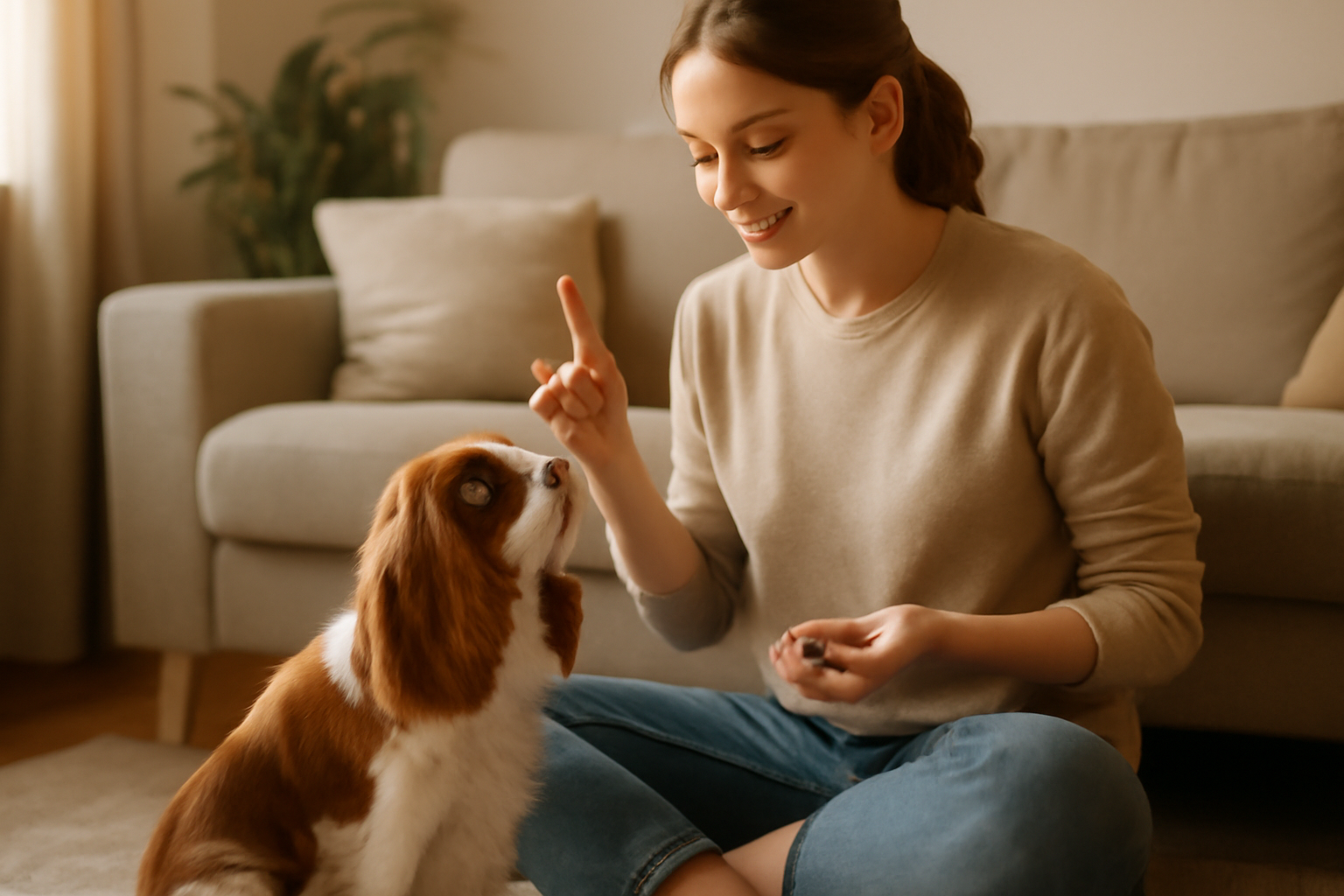
Training a Cavalier King Charles Spaniel can be a rewarding experience filled with heartwarming moments and playful antics. These affectionate pups are known for their gentle nature and eagerness to please, making them relatively easy to train when approached with the right methods. Whether you're a new dog parent or looking to refine your training skills, this guide will help you navigate the journey with your furry friend.
From understanding their unique temperament to mastering basic commands, you'll find practical steps and tips tailored specifically for the Cavalier breed. Let's dive into how to train your Cavalier King Charles Spaniel effectively, ensuring a well-behaved and happy companion.
Table of Contents
- Step 1: Understand Cavalier Breed Characteristics
- Step 2: Set Clear Goals
- Step 3: Choose the Right Training Tools
- Step 4: Establish a Training Routine
- Step 5: Use Positive Reinforcement
- Step 6: Socialize Your Cavalier
- Step 7: Be Patient and Persistent
- Common Mistakes to Avoid
- Checklist for Training Your Cavalier King Charles Spaniel
- Conclusion
Step 1: Understand Cavalier Breed Characteristics
Before you begin training, it's essential to familiarize yourself with the Cavalier breed characteristics. Cavaliers are known for their friendly disposition, intelligence, and strong desire to bond with their humans. They are generally eager to please, making them responsive to training. However, they can also be sensitive and may not respond well to harsh disciplinary methods. Understanding their temperament will guide you in choosing the right training techniques. The Ultimate Guide to Cavalier King Charles Spaniel: Everything You Need to Know.
Step 2: Set Clear Goals
Define what you want to achieve through training. Whether it's basic obedience commands, potty training, or socializing with other pets, having clear goals will help you stay focused. Consider starting with simple commands such as "sit," "stay," and "come." Setting specific, measurable, attainable, relevant, and time-bound (SMART) goals can greatly enhance your training effectiveness.
Common Goals to Consider
- Basic obedience commands
- Potty training
- Socialization with other dogs and people
- Leash training
- House manners
Creating SMART Goals
To ensure your training is effective, apply the SMART criteria to your goals:
- Specific: Define exactly what you want to achieve. For example, instead of saying "I want my dog to be obedient," specify "I want my dog to sit on command every time I say 'sit.'
- Measurable: Determine how you will measure success. For instance, "My dog will sit on command 8 out of 10 times within three weeks."
- Attainable: Set realistic goals based on your dog's age, breed, and temperament. For a Cavalier King Charles Spaniel, focus on commands that suit their playful yet gentle nature.
- Relevant: Ensure the goals align with your lifestyle and needs. If you frequently take your dog to the park, focus on socialization and recall commands.
- Time-bound: Set a timeline for achieving your goals. For example, "I want my dog to master the 'stay' command within four weeks."
Examples of Specific Goals
Here are some examples of clear goals you might set for your Cavalier King Charles Spaniel:
- Basic Obedience: Teach your dog to respond to five commands (sit, stay, come, down, and leave it) within two months.
- Potty Training: Achieve consistent potty training by taking your dog outside every two hours and rewarding them for going outside for four consecutive weeks.
- Socialization: Expose your dog to at least ten different dogs and ten different people in various environments over the next month.
- Leash Training: Train your dog to walk politely on a leash without pulling for 30 minutes during daily walks within six weeks.
- House Manners: Teach your dog to refrain from jumping on guests and furniture by the end of the month.
Common Mistakes to Avoid
While setting goals, be mindful of these common pitfalls:
- Vague Goals: Avoid setting goals that are too broad or unclear. Instead of "I want my dog to behave better," specify the behaviors you want to improve.
- Unrealistic Expectations: Don't expect your Cavalier to master complex tricks immediately. Start with simple commands and gradually increase difficulty.
- Neglecting Consistency: Ensure everyone in your household is on the same page regarding commands and training methods to avoid confusing your dog.
- Ignoring Progress: Regularly evaluate your dog's progress towards the goals. If they are struggling, adjust your approach rather than pushing them too hard.
By setting clear and achievable training goals, you will create a roadmap for your Cavalier King Charles Spaniel's training journey, which will not only foster their learning but also strengthen the bond between you and your furry friend.
Step 3: Choose the Right Training Tools
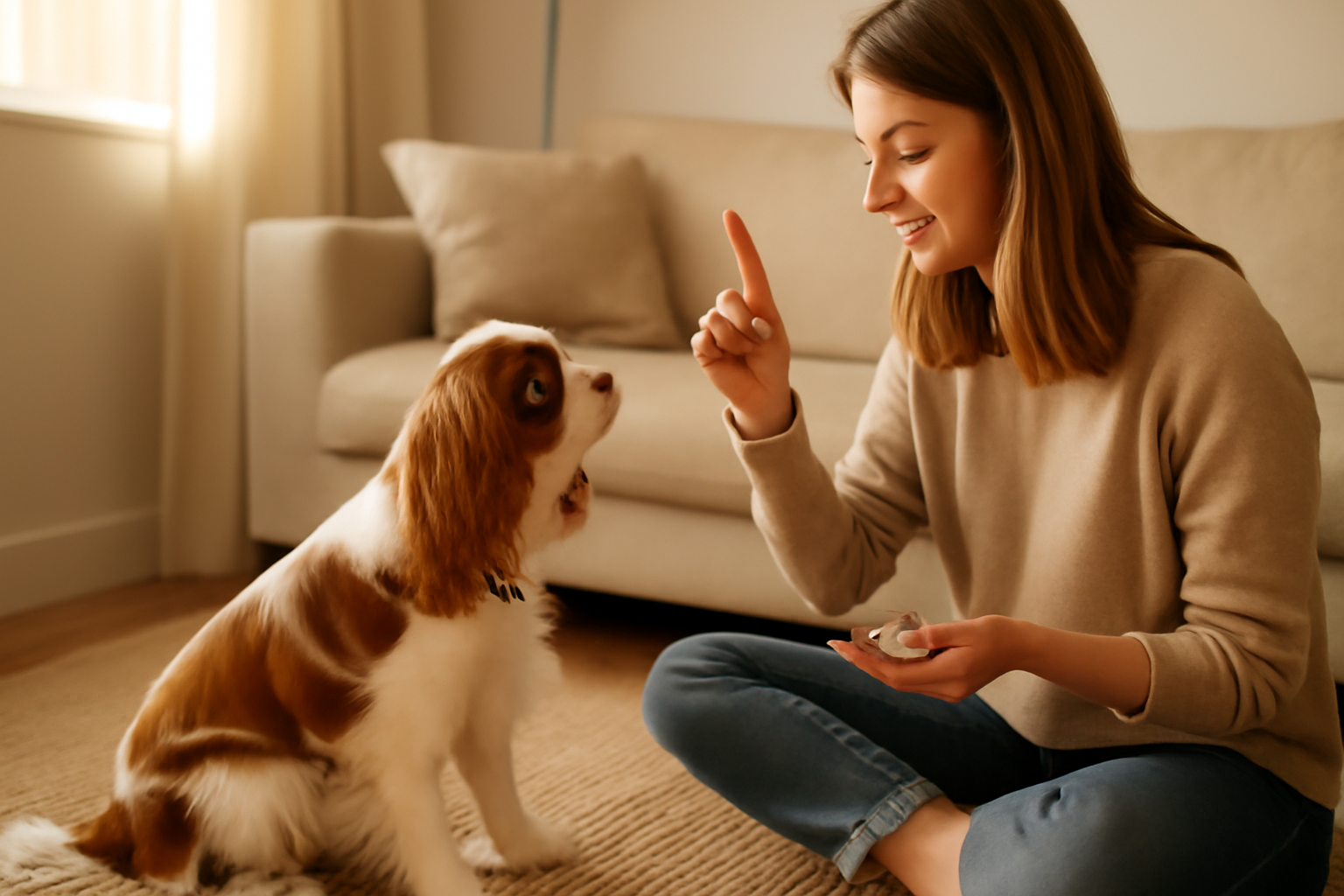
Having the right tools can make training smoother and more effective. Here are some essential tools for training your Cavalier:
- Leash and collar: A standard leash and a comfortable collar are necessary for leash training and walking.
- Treats: Use small, soft treats as rewards to encourage positive behavior. Choose high-value treats that your Cavalier loves.
- Clicker: A clicker can be helpful for marking desired behaviors and can make training more efficient.
Step 4: Establish a Training Routine
Consistency is key in dog training. Establish a routine that includes regular training sessions. Aim for short, focused sessions lasting about 5 to 10 minutes, as Cavalier King Charles Spaniels can be easily distracted. Train in a quiet environment without too many distractions to help them concentrate.
Sample Training Schedule
- Morning: Basic commands (sit, stay)
- Afternoon: Leash training (short walks)
- Evening: Socialization (playtime with other dogs)
Step 5: Use Positive Reinforcement
Positive reinforcement is the most effective training method for Cavaliers. Reward your dog with treats, praise, or playtime whenever they successfully follow a command. This encourages them to repeat the behavior. Avoid using negative reinforcement or punishment, as it can lead to fear and anxiety, which are counterproductive to training.
Understanding Positive Reinforcement
Positive reinforcement is based on the principle of rewarding desired behaviors to increase the likelihood of those behaviors being repeated. For Cavalier King Charles Spaniels, who are known for their affectionate and eager-to-please nature, this method is particularly effective. It creates a positive association with the training process, making it enjoyable for both you and your pet.
Types of Rewards
There are various types of rewards you can use to reinforce good behavior:
- Treats: Small, tasty treats are often the most effective rewards. Choose high-value treats that your dog loves, such as small pieces of chicken, cheese, or commercially available dog training treats. Ensure they are small enough to be consumed quickly during training sessions.
- Praise: Verbal praise such as "Good boy!" or "Well done!" delivered in a cheerful tone can be incredibly motivating for your Cavalier. Dogs thrive on positive feedback from their owners.
- Playtime: For some dogs, play is the ultimate reward. Engaging in a game of fetch or tug-of-war can serve as a fantastic reward after successfully following a command.
Timing is Key
When using positive reinforcement, timing is crucial. You should deliver the reward immediately after your Cavalier performs the desired behavior. This helps them make the connection between the action and the reward. For example, if you are teaching your dog to sit, reward them as soon as their bottom hits the ground. If there's a delay, your dog may not understand what they are being rewarded for.
Creating a Training Schedule
Consistency is vital when using positive reinforcement. Establish a regular training schedule to reinforce good behavior. Here's how you can structure your training sessions:
- Short Sessions: Keep training sessions short, around 5-10 minutes, to maintain your dog's attention and enthusiasm. Multiple short sessions throughout the day can be more effective than one long session.
- Frequent Rewards: Initially, reward your dog every time they perform the desired behavior. As they become more proficient, you can gradually reduce the frequency of treats while still offering praise and playtime.
- Daily Practice: Incorporate training into your daily routine. Practice commands during walks, playtime, or even during feeding times. This helps reinforce learning in various contexts.
Common Mistakes to Avoid
While positive reinforcement is effective, there are some common pitfalls to avoid:
- Inconsistent Rewards: If you reward some behaviors but not others, it can confuse your dog. Be consistent in your training approach.
- Overusing Treats: While treats are effective, relying solely on them can lead to weight gain. Balance treats with praise and play, and consider using part of your dog's daily food allowance as training treats.
- Ignoring Bad Behavior: While it's important to focus on positive reinforcement, it's also essential to redirect or ignore unwanted behaviors instead of punishing them. For example, if your dog jumps up on you, turn away and only reward them when they are calm.
Gradual Fading of Rewards
Once your Cavalier has mastered a command, begin to fade the rewards gradually. This means you can start rewarding them intermittently rather than every time. This approach helps maintain the behavior over the long term without creating a dependency on treats. For instance, you might reward them for sitting on the first command, then on the second, and eventually just once every few times they perform the command correctly.
Conclusion
Using positive reinforcement is a powerful way to train your Cavalier King Charles Spaniel. By rewarding good behavior with treats, praise, or play, you create a positive learning environment that encourages your dog to repeat those behaviors. Remember to be consistent, patient, and attentive to your dog's needs, and you'll find that training can be a fun and rewarding experience for both of you.
Step 6: Socialize Your Cavalier
Socialization is crucial for Cavaliers to develop confidence and good manners. Introduce your Cavalier to various environments, people, and other animals. This will help them become well-rounded and less fearful as they encounter new experiences.
Tips for Socialization
- Take them to dog parks
- Arrange playdates with other dogs
- Expose them to different sounds and sights (car rides, crowded areas)
- Attend puppy classes
Step 7: Be Patient and Persistent
Training requires patience and perseverance. Your Cavalier may not master a command on the first try, and that's okay! Celebrate small successes and keep practicing. If they become frustrated, take a break and try again later. Remember, training should be a fun and rewarding experience for both of you.
Understanding the Learning Curve
Every dog learns at their own pace, and Cavaliers are no exception. They are intelligent and eager to please, but they can also be easily distracted. Understanding that each dog has a unique learning curve will help you manage your expectations. Here are some key points to consider:
- Age Matters: Younger dogs might have shorter attention spans, while older dogs may take longer to learn new commands due to established habits.
- Individual Personality: Each Cavalier has a distinct personality. Some may be more stubborn or shy, which can affect how quickly they pick up commands.
- Environment: The training environment plays a crucial role. A quiet space with minimal distractions will help your dog focus better than a bustling park.
Celebrating Small Wins
Recognizing and celebrating small victories during training sessions can boost your Cavalier's confidence and motivation. Here are ways to celebrate effectively:
- Verbal Praise: Use enthusiastic phrases like "Good job!" or "Yes!" in a cheerful tone to reinforce positive behavior.
- Treat Rewards: Offer small, tasty treats when your Cavalier successfully follows a command. This will help them associate the command with a positive outcome.
- Playtime: Incorporate play as a reward. If your dog successfully sits on command, engage them in a fun game of fetch for a few minutes.
Taking Breaks When Needed
Sometimes, your Cavalier may become frustrated or lose interest. It's essential to recognize when to take a break. Here's how to identify and handle these moments:
- Signs of Frustration: Look for signs like whining, barking, or turning away. If your dog shows these signs, it's time to pause.
- Short Sessions: Keep training sessions short-around 5 to 10 minutes. This helps maintain your dog's focus and prevents burnout.
- Change Activities: If your dog seems bored, switch to a different command or activity. This can refresh their interest and make training enjoyable again.
Common Mistakes to Avoid
Even the most dedicated dog owners can fall into pitfalls during training. Here are some common mistakes to watch out for:
- Inconsistency: Use the same commands and gestures consistently to avoid confusing your Cavalier.
- Negative Reinforcement: Avoid scolding or punishing your dog for mistakes. This can create anxiety and hinder their learning.
- Skipping Basic Commands: Ensure your dog masters basic commands like "sit," "stay," and "come" before moving on to more advanced tricks.
Creating a Positive Training Environment
Setting the right atmosphere can significantly impact your training success. Here are tips to create a positive environment:
- Quiet Space: Choose a calm area free from distractions like other pets or loud noises.
- Comfortable Equipment: Use a comfortable collar and leash, and ensure your dog is at ease before starting training.
- Consistent Timing: Train at the same time each day to establish a routine that your dog can anticipate.
Remember, patience and persistence are key. With time, love, and the right approach, your Cavalier King Charles Spaniel will thrive in their training journey, becoming a well-behaved companion that brings joy to your life.
Common Mistakes to Avoid
Training can be challenging, and even seasoned dog owners may fall into common pitfalls. Here are a few mistakes to avoid to ensure a successful training experience:
- Inconsistency: Make sure everyone in the household uses the same commands and training techniques.
- Skipping socialization: Failing to expose your Cavalier to different environments can lead to fearfulness.
- Overloading with commands: Focus on one command at a time to avoid overwhelming your dog.
Checklist for Training Your Cavalier King Charles Spaniel
- Understand Cavalier breed characteristics
- Recognize their friendly and affectionate nature, which makes them eager to please.
- Be aware of their sensitivity; harsh training methods can lead to anxiety.
- Note their intelligence, which allows them to learn commands quickly but may also lead to stubbornness at times.
- Set clear training goals
- Define specific behaviors you want to teach, such as sit, stay, come, and heel.
- Establish short-term and long-term goals, like mastering basic commands in a month and learning tricks within three months.
- Consider your Cavalier's age and personality when setting realistic expectations.
- Gather necessary training tools
- Invest in a comfortable harness and leash for outdoor training sessions.
- Use high-value treats that your Cavalier loves to encourage positive behavior.
- Consider clicker training tools to help reinforce commands clearly.
- Have a designated training area at home that is free from distractions.
- Establish a consistent training routine
- Schedule daily training sessions, ideally at the same time each day, to build a habit.
- Keep training sessions short, around 5-10 minutes, to maintain your Cavalier's attention.
- Incorporate training into everyday activities, like asking for a sit before meals or during playtime.
- Utilize positive reinforcement
- Reward your Cavalier immediately after they perform the desired behavior to create a clear connection.
- Use verbal praise, petting, and treats to reinforce good behavior.
- Avoid punishment; instead, redirect unwanted behaviors with positive alternatives.
- Socialize your Cavalier
- Expose your Cavalier to a variety of environments, people, and other dogs to build confidence.
- Arrange playdates with other friendly dogs to encourage social skills.
- Attend puppy classes or dog training groups to enhance socialization and learn alongside others.
- Be patient and persistent
- Understand that every dog learns at their own pace; some may take longer to grasp commands than others.
- Stay consistent with your training methods and don't give up if progress seems slow.
- Celebrate small victories to keep both you and your Cavalier motivated.
Conclusion
Training your Cavalier King Charles Spaniel can be a delightful adventure when approached with love and understanding. By following these steps and keeping their unique traits in mind, you'll foster a strong bond with your furry friend. Start today by choosing one command to focus on during your next training session, and watch as your Cavalier flourishes into a well-trained companion.
Recap of Key Training Steps
To ensure you make the most out of your training sessions, here's a quick recap of essential steps:
- Establish a Routine: Consistency is key. Try to train your Cavalier at the same time each day to create a habit.
- Use Positive Reinforcement: Reward your dog with treats, praise, or playtime whenever they successfully follow a command.
- Be Patient: Every dog learns at their own pace. If your Cavalier struggles with a command, take a step back and try again later.
- Keep Sessions Short: Aim for 5-10 minute sessions to maintain your dog's focus and enthusiasm.
- Incorporate Play: Make training fun by integrating games that reinforce the commands you're teaching.
Common Mistakes to Avoid
While training, it's important to be aware of common pitfalls that can hinder your progress:
- Inconsistency: Avoid changing commands or rules mid-training. This can confuse your Cavalier.
- Ignoring Distractions: Train in a quiet space initially. Gradually introduce distractions as your dog becomes more confident.
- Over-Correcting: Too much correction can lead to fear or anxiety. Focus on positive reinforcement instead.
- Skipping Basic Commands: Don't rush into advanced tricks without mastering the basics like sit, stay, and come.
Next Steps in Training
Now that you have a solid foundation, consider these next steps to further your Cavalier's training:
- Socialization: Expose your Cavalier to different environments, people, and other pets to build confidence and adaptability.
- Advanced Commands: Once your dog masters basic commands, move on to more complex tricks like roll over or play dead.
- Obedience Classes: Enroll in a local obedience class to enhance training and provide socialization opportunities.
- Regular Check-ins: Schedule regular training sessions to reinforce learned commands and introduce new skills.
Celebrate Progress
As your Cavalier learns and grows, don't forget to celebrate their achievements, no matter how small. Here are a few fun ways to acknowledge their progress:
- Special Treats: Surprise them with their favorite treat when they master a new command.
- Fun Outings: Take your Cavalier on a special outing to the park or a pet-friendly café as a reward for their hard work.
- Personalized Gifts: Consider gifting them a new toy or a cozy bed to show your appreciation for their efforts.
Training your Cavalier King Charles Spaniel is not just about teaching commands; it's about building a loving relationship. Embrace the journey, remain patient, and enjoy every moment with your delightful companion. With time and dedication, you will have a well-trained, happy, and confident Cavalier by your side.


