

How to Celebrate the 4th of July with Your Pets: A Guide for Loving Dog Moms and Dads
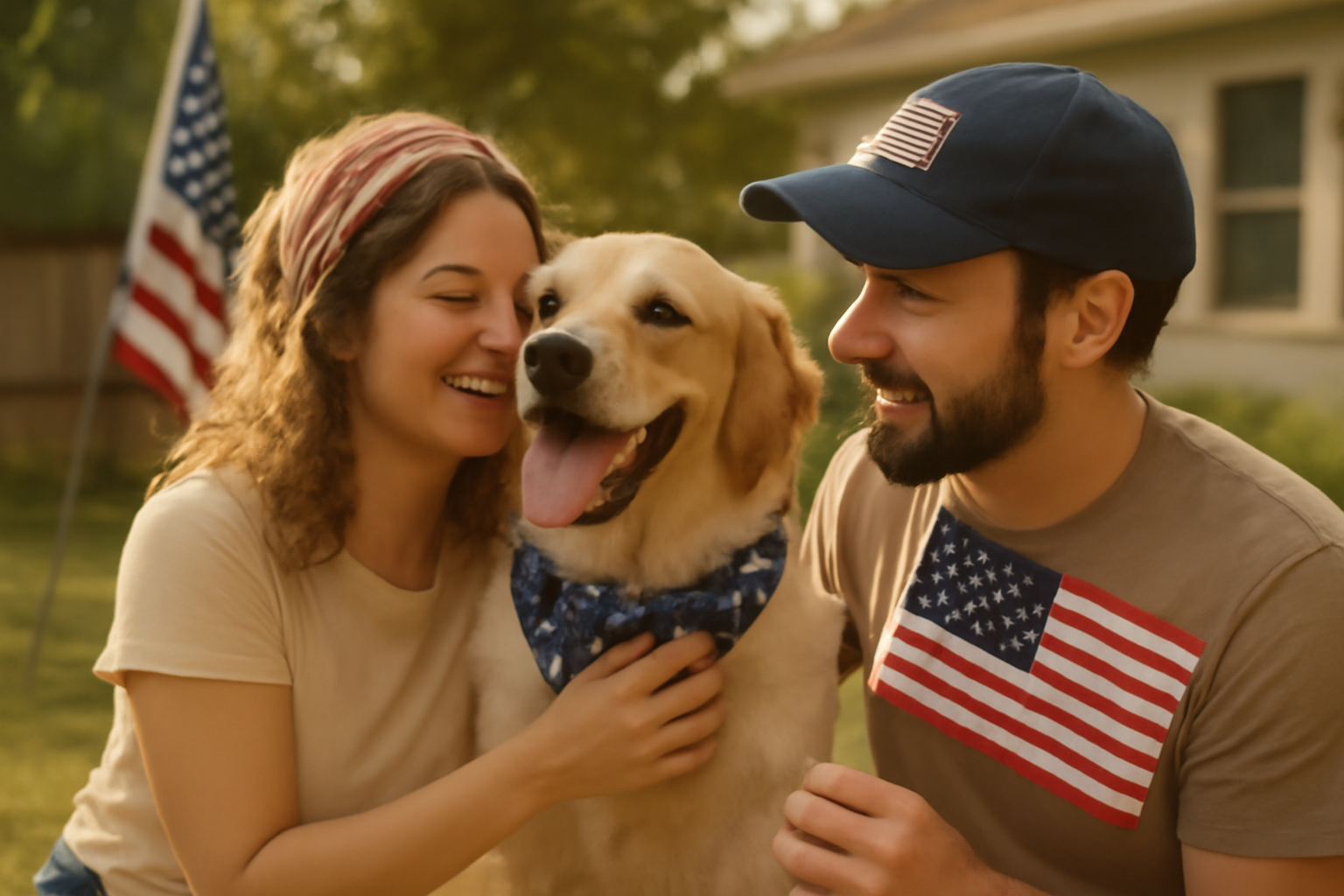
The 4th of July is a time for fireworks, barbecues, and family gatherings, but for many pets, it can also be a source of anxiety and stress. As devoted dog parents, it's essential to find ways to celebrate this festive day while ensuring our furry friends feel safe and included. This guide will help you navigate the celebrations while keeping your pets happy and secure.
From planning safe activities to understanding pet safety during fireworks, we'll cover everything you need to know to make this Independence Day a memorable occasion for both you and your beloved pets. So, grab your pup's favorite treats and let's get started!
Table of Contents
Step 1: Create a Comfortable Space for Your Pets
Before the festivities begin, it's important to prepare a safe and comfortable area for your pets. This will help reduce their anxiety during loud fireworks and gatherings. Celebrating 4th of July: A Guide for Pet Parents.
Choose a Quiet Room
Designate a quiet room in your home where your pet can retreat. Make sure this space is away from the noise of fireworks and other celebrations. Consider using a cozy dog bed, blankets, and their favorite toys to create a welcoming environment.
Provide Familiar Scents
Familiar scents can be incredibly soothing for pets. Bring in items like their favorite blanket or a piece of your clothing to help them feel secure.
Step 2: Plan Pet-Friendly Activities
Incorporate your pets into the 4th of July celebrations with activities that cater to their needs. Here are some ideas to keep them engaged and happy.
Host a Pet Parade
If you're having friends over, consider hosting a pet parade. Encourage guests to dress up their pets in festive attire. It's a fun way to celebrate while allowing pets to socialize in a controlled environment.
Prepare Special Treats
Show your love by making special 4th of July-themed treats for your pets. Use dog-safe ingredients to whip up some red, white, and blue treats that your furry friends will enjoy.
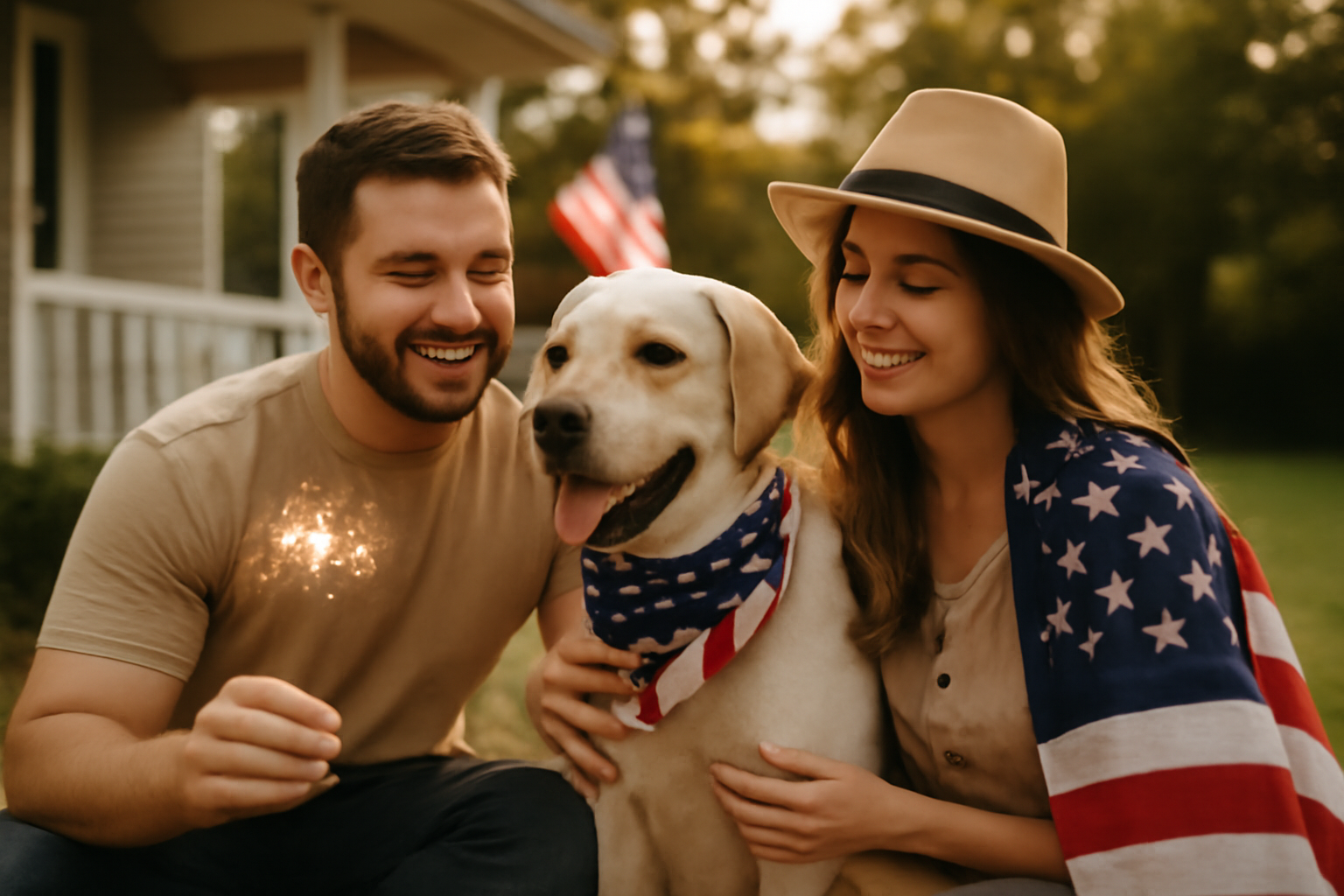
Step 3: Keep Your Pets Calm During Fireworks
Fireworks can be terrifying for pets. Here are some strategies to help keep them calm during the loud explosions.
Use Calming Products
Consider using calming collars, pheromone diffusers, or even anxiety wraps that can help soothe your pet during the fireworks. These products can provide a sense of security and reduce anxiety. Here's a breakdown of some effective options:
- Calming Collars: These collars release calming pheromones that mimic the natural ones produced by nursing mother dogs. Be sure to follow the manufacturer's instructions for sizing and duration of use.
- Pheromone Diffusers: These plug-in devices disperse calming pheromones throughout your home. Place them in the rooms where your pet spends the most time to create a serene environment.
- Anxiety Wraps: Products like the Thundershirt apply gentle, constant pressure to your pet's body, which can help reduce anxiety. Measure your pet properly to ensure a snug but comfortable fit.
When using these products, consider introducing them to your pet well in advance of the fireworks. This allows your pet to become accustomed to the new sensations and scents, enhancing their effectiveness.
Play Soothing Music
Playing calming music can help drown out the noise of fireworks. There are even playlists designed specifically for pets that can create a peaceful atmosphere. Here are some tips for making the most of this strategy:
- Select the Right Type of Music: Look for music specifically composed for pets, which often features slower tempos and softer melodies. Classical music or nature sounds can also be effective.
- Volume Control: Keep the volume at a moderate level. Too loud can be overwhelming, while too soft may not effectively mask the sound of fireworks.
- Consistency is Key: Start playing soothing music during regular times, not just during fireworks. This helps your pet associate the music with comfort and relaxation.
Consider creating a special "calm playlist" that includes your pet's favorite soothing tracks. This can become part of your pre-fireworks routine, helping your pet to feel secure and relaxed.
Create a Safe Space
Designate a quiet, comfortable area in your home where your pet can retreat during fireworks. This space should be familiar and filled with their favorite things. Here are some ideas for creating the perfect sanctuary:
- Comfortable Bedding: Use soft blankets and pillows to create a cozy spot. Familiar scents can help your pet feel more secure.
- Favorite Toys: Include your pet's favorite toys to provide comfort and distraction. Chew toys can also help relieve anxiety.
- Close the Curtains: Block out the bright flashes of fireworks by closing curtains or blinds. This can help reduce visual stimulation that might stress your pet.
Encourage your pet to use this space by spending time with them there before the fireworks start. Play games or give treats to help them associate the area with positive experiences.
Practice Desensitization
Desensitization is a long-term strategy that can help your pet cope better with fireworks. This involves gradually exposing your pet to the sounds of fireworks in a controlled manner. Here's a step-by-step guide:
- Start with Low Volume: Find recordings of fireworks and play them at a very low volume while your pet is relaxed and engaged in a positive activity, like playing or eating.
- Gradually Increase Volume: Over several days or weeks, slowly increase the volume while ensuring your pet remains calm. Always reward calm behavior with treats and praise.
- Pair with Positive Experiences: While playing the sounds, give your pet their favorite treats or engage in playtime. This helps them associate the noise with positive outcomes.
Be patient with this process; it may take time for your pet to adjust fully. Consistent practice can significantly reduce their fear of fireworks over time.
Consult Your Veterinarian
If your pet has severe anxiety during fireworks, it may be worthwhile to consult your veterinarian. They can recommend additional strategies or medications to help manage your pet's anxiety. Here are some points to consider:
- Behavioral Therapy: Your vet may suggest working with a certified animal behaviorist who can develop a tailored plan for your pet.
- Medication Options: In some cases, anti-anxiety medications may be appropriate. Discuss potential side effects and the best timing for administration.
- Regular Check-ups: Keeping your pet's overall health in check can also help them cope better with stressful situations.
Taking proactive steps to manage your pet's anxiety during fireworks can lead to a more peaceful celebration for both you and your furry friend. Remember, the goal is to create a safe and comforting environment that helps your pet feel secure and loved, even amidst the chaos of the 4th of July festivities.
Step 4: Monitor Your Pet's Behavior
Keep a close eye on your pet during the celebrations. Understanding their behavior can help you address any issues that arise. Being proactive is key to ensuring your pet feels safe and comfortable while you enjoy the festivities.
Watch for Signs of Stress
Look for signs that your pet is feeling anxious, such as pacing, whining, or hiding. Other indicators may include excessive drooling, flattened ears, or a tucked tail. If you notice these behaviors, take them to their safe space and comfort them with gentle petting or soothing words. Here are some practical steps to help manage their stress:
- Identify Safe Spaces: Before the celebrations, designate a quiet area in your home where your pet can retreat. This could be a cozy corner with their bed or a crate that they associate with safety.
- Use Calming Aids: Consider using calming sprays, pheromone diffusers, or anxiety wraps designed for pets. These can help create a more soothing environment.
- Keep a Routine: Maintain your pet's regular feeding and walking schedule as much as possible to provide a sense of normalcy amidst the celebrations.
It's essential to remain calm yourself, as pets often pick up on their owners' emotions. If you stay relaxed, it can help reassure your pet.
Keep Them Leashed or Contained
During gatherings, ensure that your pets are either leashed or contained in a secure area. This will prevent them from running away if they get startled by fireworks or loud noises. Here are some tips to effectively manage your pet's space:
- Use a Harness: If you're taking your pet outside, use a secure harness instead of a collar to prevent escape. Harnesses provide better control and are less likely to slip off.
- Set Up a Pet Pen: Create a designated area using a pet pen or baby gate where your pet can relax without feeling overwhelmed by guests. Make it comfortable with their favorite toys and blankets.
- Supervise Interactions: If your pet is social, monitor their interactions with guests, especially children. Ensure that everyone knows how to approach your pet gently and respectfully.
Having a plan for containing your pet will help you enjoy the festivities without worrying about their safety or comfort. Remember, it's better to err on the side of caution than to risk your pet getting overwhelmed or frightened.
Step 5: Educate Your Guests
If you're hosting a gathering, it's essential to inform your guests about pet safety. Here's how to communicate effectively.
Share Safety Guidelines
Let your guests know about the importance of pet safety during fireworks. It's crucial to make them aware that loud noises can be distressing for pets, and they may react unpredictably. Here are some practical steps to share:
- Discuss Firework Anxiety: Explain how pets can experience anxiety due to the loud sounds and bright lights of fireworks. Suggest that guests be mindful of their noise levels, especially if they are outside and near your pets.
- Human Food Warning: Encourage guests to refrain from feeding your pets human food. Some common foods, like chocolate, grapes, and onions, are toxic to dogs and cats. Consider preparing a list of safe treats that guests can offer instead, like small pieces of plain cooked chicken or carrots.
- Rough Play Caution: Inform guests that engaging in rough play can escalate stress levels in pets. Encourage gentle interaction and remind them that not all dogs enjoy being petted or played with by strangers.
Provide a Pet-Free Zone
Consider designating an area where pets are not allowed, especially if there are guests who may not be familiar with your pets. This can help reduce anxiety for both your pets and your guests. Here are some tips for creating a successful pet-free zone:
- Choose the Right Location: Select a quiet room or a separate part of your home where pets can feel safe and secure. This area should be away from the noise of the gathering and have comfortable bedding, toys, and water.
- Communicate Clearly: Make sure to inform your guests about the pet-free zone as soon as they arrive. Use signs or verbal reminders to ensure everyone understands the importance of keeping the pets in their designated space.
- Provide Entertainment: Keep your pets occupied in the pet-free zone with engaging toys or a favorite blanket. You might also consider leaving a radio or TV on to provide some background noise that can soothe them.
Prepare Your Guests for Interaction
If your guests are pet lovers and you want them to interact with your pets, prepare them beforehand to ensure a smooth experience:
- Introduce Gradually: When guests arrive, introduce them to your pets one at a time. Allow your pets to approach at their own pace, and encourage guests to let the pets sniff them before attempting to pet them.
- Teach Proper Petting Techniques: Share tips on how to properly pet your pets. For example, instruct guests to avoid reaching over the pet's head and instead allow the pet to come to them for a gentle scratch behind the ears.
- Monitor Interactions: Keep an eye on interactions between guests and pets. Be ready to step in if a pet shows signs of discomfort or if a guest is being too rough. Your pets' comfort should always come first.
Emergency Preparedness
Being prepared for emergencies can make a significant difference in ensuring your pets' safety during the celebration:
- Have a First Aid Kit Ready: Ensure you have a pet first aid kit on hand that includes essentials like bandages, antiseptic wipes, and any medications your pets may need.
- Emergency Contacts: Keep a list of emergency contacts, including your veterinarian and an emergency pet clinic, easily accessible for guests in case of an incident.
- Plan for Escape Routes: If your pets are prone to running away during stressful situations, discuss escape routes with your guests. Make sure doors are secured and that any gates are closed to prevent any unexpected escapes.
By educating your guests about pet safety, you can create a more enjoyable and secure environment for everyone involved, ensuring that both your pets and guests have a delightful 4th of July celebration.
Step 6: Plan for Post-Celebration Care
After the festivities, your pets may still need some extra care. Here's how to ensure they feel relaxed and loved.
Provide Extra Attention
Spend some quality time with your pets after the celebrations. Cuddling, playing, or simply relaxing together can help them feel secure and loved. Here are some practical ways to give your furry friends the attention they crave:
- Schedule Playtime: Dedicate at least 30 minutes to engage in their favorite activities, whether it's fetch, tug-of-war, or a simple game of chase.
- Calming Activities: Consider introducing calming activities such as gentle brushing or a soothing massage. This not only relaxes them but also strengthens your bond.
- Create a Cozy Space: Set up a comfortable area with their favorite blanket or bed where they can retreat and feel safe. Adding a few toys can make the space more inviting.
Check for Stress-Related Issues
After the holiday, monitor your pet for any signs of prolonged stress. If they continue to exhibit anxiety or behavioral changes, consider consulting a veterinarian for guidance. Here are some common signs to look out for:
- Excessive Barking or Whining: If your pet is vocalizing more than usual, it may indicate anxiety or discomfort.
- Changes in Appetite: A sudden decrease or increase in food intake can be a sign that your pet is feeling stressed.
- Destructive Behavior: Chewing on furniture, digging, or other destructive actions can signal that your pet is struggling to cope with their emotions.
- Hiding or Withdrawal: If your pet is seeking solitude more than normal, it may be their way of coping with stress.
If you notice any of these signs persisting for more than a few days, it's important to consult with your veterinarian. They can provide advice tailored to your pet's needs, including behavioral training or calming products.
Implement a Routine
After the excitement of the 4th of July, re-establishing a routine can provide comfort and stability for your pets. Here are some steps to help you implement a soothing routine:
- Consistent Feeding Schedule: Return to your pet's regular feeding times to help them feel secure and reduce anxiety.
- Regular Exercise: Keep up with daily walks or play sessions to help expend any lingering energy and promote relaxation.
- Quiet Time: Incorporate quiet periods into your day where your pet can unwind without distractions. This could be a designated nap time or simply a calm environment.
Consider Calming Aids
If your pet shows signs of ongoing stress, you might want to explore calming aids. Here are a few options to consider:
- Calming Treats: Many brands offer treats formulated with natural ingredients like chamomile or valerian root that can help soothe anxious pets.
- Thundershirts: These snug-fitting garments can provide comfort to anxious pets by applying gentle pressure, similar to swaddling a baby.
- Diffusers or Sprays: Products containing pheromones can create a calming atmosphere in your home, helping your pet feel more at ease.
Always consult with your veterinarian before introducing new products to ensure they are suitable for your pet's specific needs.
Engage in Training
Training can be a great way to refocus your pet's energy and strengthen your bond. Consider these training tips post-celebration:
- Basic Commands: Reinforce basic commands like sit, stay, and come. This not only helps with discipline but also provides mental stimulation.
- Trick Training: Teach your pet a new trick as a fun way to engage them and keep their mind active. Simple tricks like roll over or shake can be enjoyable for both of you.
- Positive Reinforcement: Use treats and praise to reward your pet during training sessions, making the experience enjoyable and reinforcing good behavior.
By providing extra attention, monitoring for stress, and implementing a routine, you can help your pets transition smoothly after the 4th of July celebrations, ensuring they feel loved and secure in your home.
Checklist for a Pet-Friendly 4th of July
- Designate a quiet room for your pet
- Choose a space away from the noise of fireworks, such as a bedroom or basement.
- Make it cozy with their favorite blanket, toys, and a comfortable bed.
- Consider using a white noise machine or soft music to drown out the sounds of celebration.
- Prepare pet-friendly treats
- Look for recipes that use dog-safe ingredients, like peanut butter, pumpkin, or sweet potatoes.
- Consider making frozen treats using broth or yogurt for a refreshing snack during the heat of July.
- Have some store-bought treats on hand as well, ensuring they are free from harmful ingredients like chocolate or xylitol.
- Use calming products during fireworks
- Consider pheromone diffusers or sprays designed to soothe anxious pets.
- Look into anxiety wraps or vests that provide gentle pressure, helping your pet feel more secure.
- Consult your veterinarian about calming supplements or medications if your pet has severe anxiety.
- Monitor your pet's behavior
- Keep an eye on signs of distress, such as pacing, whining, or hiding.
- Be ready to intervene with comforting words or a gentle petting session if your pet seems anxious.
- Take breaks to check in on your pet if you are hosting a gathering; their needs should remain a priority.
- Educate guests on pet safety
- Inform your guests about your pet's routines and any specific triggers that may cause anxiety.
- Encourage guests to avoid feeding your pets human food, which can be harmful.
- Make sure guests know to keep doors and gates closed to prevent escapes during festivities.
- Plan for post-celebration care
- After the festivities, give your pet some quiet time to decompress from the excitement.
- Engage in a calming activity like a gentle walk or cuddle session to help them relax.
- Monitor their health and behavior in the days following the celebration, ensuring they are adjusting well.
As you celebrate the 4th of July with your pets, remember that their comfort and safety should always come first. With a little planning and love, you can create a joyful day that includes your furry family members. Enjoy the summer festivities for pets and have a fantastic Independence Day!


