

Avoiding Common Mistakes in Cavalier King Charles Spaniel Training

Training a Cavalier King Charles Spaniel can be a delightful journey, but it's not without its pitfalls. These affectionate and intelligent dogs have unique needs and quirks that can lead to common training mistakes if not addressed properly. Understanding these missteps is key to fostering a well-behaved companion.
In this guide, we'll explore the frequent errors pet parents make when training their Cavaliers and provide practical solutions. By identifying these challenges early, you'll be better equipped to create a harmonious environment for both you and your furry friend.
Table of Contents
Quick Diagnosis
Recognizing the signs of ineffective training is the first step in correcting your approach. Here are a few indicators: The Ultimate Guide to Cavalier King Charles Spaniel: Everything You Need to Know.
- Inconsistent Commands: If your Cavalier seems confused by your commands, you might be sending mixed signals. Ensure that everyone in your household uses the same commands and tone to avoid confusion. For example, if you say "sit" but your partner says "sit down," your dog may not understand what is being asked of them. Create a list of commands and their corresponding actions, and agree on a consistent vocabulary. Additionally, practice these commands in different environments to reinforce their meaning, ensuring your Cavalier learns to respond regardless of distractions. Remember to use hand signals along with verbal commands; this can further clarify your expectations and aid in your dog's understanding.
- Lack of Progress: If your dog isn't learning basic commands or behaviors, it may indicate a training issue. Track your Cavalier's progress by keeping a training journal. Note which commands they struggle with and the methods used to teach them. If after several weeks you see no improvement, consider adjusting your training techniques. For instance, if your dog isn't responding to treats, you might try using their favorite toy as a reward instead. It's also beneficial to break down commands into smaller steps, rewarding your dog for each small success along the way. Consider implementing a schedule for training sessions, keeping them short and engaging to maintain your dog's interest and focus.
- Behavioral Issues: Signs such as excessive barking, chewing, or anxiety can stem from improper training techniques. Take a moment to analyze the situations that trigger these behaviors. For instance, if your Cavalier barks excessively when the doorbell rings, practice desensitization by ringing the doorbell repeatedly while rewarding calm behavior. Create a checklist for common behavioral issues and their potential triggers, allowing you to systematically address each one. Consider establishing a routine that includes regular exercise and mental stimulation, as a tired dog is often a well-behaved dog. Incorporate puzzle toys or interactive games into your dog's daily routine to keep their mind sharp and reduce unwanted behaviors.
Steps to Diagnose Training Issues
- Observe Your Dog: Spend time watching your Cavalier in various situations. Note any signs of confusion or anxiety when commands are given. Pay attention to their body language; a tucked tail or cowering posture can indicate stress. Make a note of specific scenarios where your dog struggles, such as during busy times or when new guests arrive, to identify patterns in their behavior.
- Evaluate Your Methods: Reflect on the training techniques you are using. Are they appropriate for your dog's age and temperament? Consider consulting a professional trainer if needed. Research different training philosophies, such as positive reinforcement or clicker training, to find what resonates best with your dog. Look into online resources or local classes that can provide guidance and support, ensuring you are well-equipped with the right tools and knowledge.
- Seek Feedback: Ask friends or family members to observe your training sessions. They might notice issues you've overlooked, such as inconsistent commands or unclear cues. Recording a training session can also provide insights into your methods and your dog's responses. Additionally, consider joining local dog training groups or online forums where you can share experiences and learn from others facing similar challenges.
Common Mistakes to Avoid
- Overusing Commands: Repeating commands too often can dilute their effectiveness. Use a command once and wait for a response. If your Cavalier doesn't respond, reassess the situation and consider whether they are distracted or confused. If your dog consistently ignores a command, it may be time to reevaluate how you are presenting it and whether additional training is needed.
- Neglecting Socialization: Failing to expose your Cavalier to different environments, people, and other dogs can lead to anxiety and behavioral problems. Make socialization a part of your training routine. Arrange playdates with other dogs, visit dog parks, and take your Cavalier on outings to different locations to build their confidence. Introduce your dog to various sounds and sights, like traffic or crowds, gradually increasing exposure to help them become well-rounded and adaptable.
- Using Negative Reinforcement: Punishing your dog for mistakes can lead to fear and confusion. Focus on positive reinforcement, rewarding good behavior instead. Create a reward system that includes treats, praise, and playtime, ensuring your Cavalier associates training with positive experiences. Be consistent in your rewards; if your dog performs a desired behavior, immediately follow it with a reward to reinforce the connection. Avoid using harsh tones or physical corrections, as these can damage the trust between you and your pet.
By being aware of these signs and taking proactive steps, you can effectively diagnose and address common training mistakes with your Cavalier King Charles Spaniel, paving the way for a more successful training experience. Regularly reviewing your training approach and adapting as necessary will help foster a strong bond between you and your furry friend, ensuring a happy and well-adjusted companion. Celebrate small victories along the way, and remember that patience and consistency are key to achieving lasting results in your training journey. Cavalier behavior insights.
Common Mistakes and How to Avoid Them
1. Inconsistency in Commands
One of the most prevalent mistakes is being inconsistent with commands. Using different words or tones for the same command can confuse your Cavalier.
Fix it fast: Choose a set of clear commands and stick with them. Consistency helps reinforce what you want your dog to learn. For example, if you decide to use "sit" for the action of sitting down, avoid using phrases like "sit down" or "sit now." This will help your dog understand what you expect without confusion.
2. Neglecting Positive Reinforcement
Cavaliers thrive on positive reinforcement. Neglecting to reward good behavior can lead to a lack of motivation in your dog.
Fix it fast: Use treats, praise, and playtime as rewards for good behavior. This not only encourages your dog to repeat the behavior, but it also strengthens your bond. Create a reward system: for instance, keep small, tasty treats handy during training sessions and offer them immediately after your Cavalier performs the desired action. Additionally, verbal praise such as "Good job!" or enthusiastic petting can enhance the positive experience.
3. Overlooking Socialization
Many owners forget that socialization is a critical part of training. Cavaliers can become anxious or fearful without proper exposure to different environments, people, and other animals.
Fix it fast: Introduce your Cavalier to various situations gradually. This will help them become well-adjusted and confident. Start with short outings to dog parks, pet-friendly stores, or community events. Observe your dog's reactions and gradually increase exposure as they become more comfortable. Consider enrolling in puppy socialization classes where they can interact with other dogs and people in a controlled environment.
4. Not Understanding Cavalier Breed Characteristics
Understanding Cavalier breed characteristics is essential for effective training. These dogs are known for their sensitivity and eagerness to please, but they can also be stubborn at times.
Fix it fast: Adapt your training style to suit their temperament. Be patient and gentle, using encouragement rather than harsh discipline. For instance, when your Cavalier is reluctant to follow a command, instead of scolding, try using a more enthusiastic tone or a higher-value treat to motivate them. Recognizing when your pet is overwhelmed or disinterested can also help you adjust your training sessions to keep them engaging.
5. Focusing Solely on Basic Commands
While teaching basic commands is important, it's equally vital to focus on advanced training and tricks. This not only keeps your Cavalier engaged but also provides mental stimulation.
Fix it fast: Incorporate fun tricks and advanced commands into your training sessions to challenge your dog and keep them mentally sharp. For example, after mastering "sit," teach your Cavalier to "roll over" or "play dead." Use fun and creative training games, such as hide and seek, where your dog has to find you or a hidden treat. This not only reinforces their training but also adds an element of fun to the process.
6. Ignoring Cavalier Health Considerations
Health issues such as heart problems and joint concerns can affect your Cavalier's ability to train and participate in activities. Ignoring these health considerations can lead to frustration for both you and your dog.
Fix it fast: Consult with your veterinarian before starting any training program to ensure your Cavalier is healthy enough for the activities planned. Be aware of any specific health concerns related to the breed, such as hip dysplasia or patellar luxation, and adapt your training sessions accordingly. For instance, if your dog has joint issues, focus on low-impact activities like gentle leash walking rather than high-energy exercises.
7. Rushing the Training Process
Patience is vital in dog training. Rushing through the process can lead to mistakes and misunderstandings.
Fix it fast: Take your time, celebrate small victories, and remember that training is a journey, not a race. Set realistic goals for each training session, and don't expect your Cavalier to master a command immediately. For example, if you're teaching "stay," start with short durations and gradually increase the time as they become more comfortable. Keeping training sessions short (about 5-10 minutes) can also help maintain your dog's attention and enthusiasm.
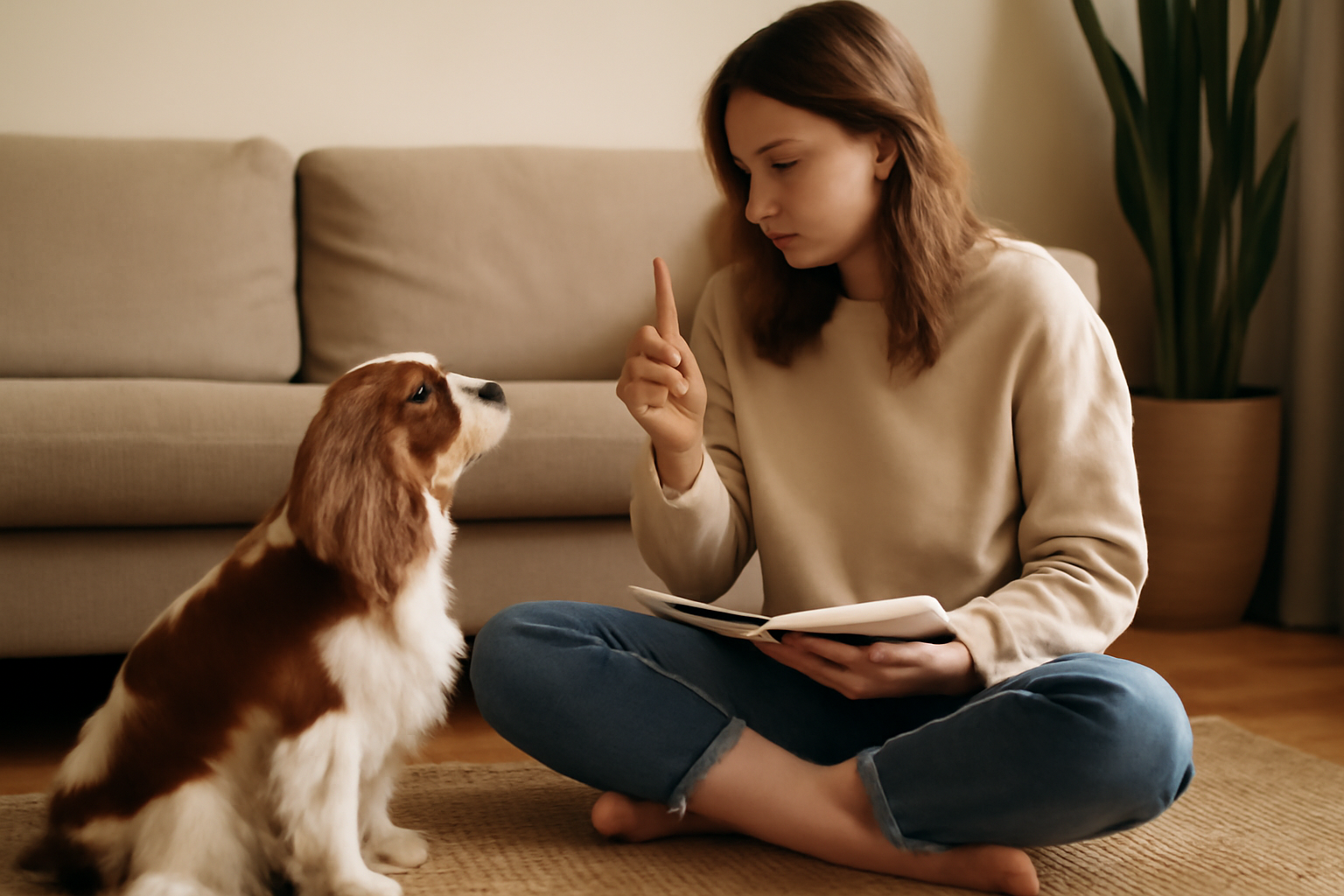
Understanding Cavalier Training Challenges
Training a Cavalier King Charles Spaniel comes with its own set of challenges. By understanding these challenges, you can approach training with more empathy and effectiveness. Remember that Cavaliers are social creatures that respond best to warmth and encouragement.
Consider incorporating training into daily activities, making it a fun and integral part of your life together. Playtime can also serve as a training session, reinforcing commands in a relaxed environment.
Common Training Challenges
When training your Cavalier, you may encounter several common challenges. Recognizing these can help you devise strategies to overcome them:
- Distraction: Cavaliers are easily distracted by their surroundings. To combat this, practice training in a quiet space before gradually introducing distractions. Use high-value treats to maintain their focus. For example, if you're training "sit," start in a quiet room and then move to a busier area like a park, rewarding them for staying focused on you despite the distractions.
- Separation Anxiety: These dogs thrive on companionship, so they may struggle with being left alone. To ease this, start with short absences and gradually increase the duration. Incorporate crate training to help them feel secure when you're not home. You might also leave a piece of your clothing with them, as familiar scents can provide comfort during your absence.
- Stubbornness: While Cavaliers are eager to please, they can also exhibit stubborn behavior. To address this, keep training sessions short and engaging, and always end on a positive note to reinforce their willingness to learn. If they resist a command, try breaking it down into smaller steps or using a different reward to reignite their interest.
Practical Training Tips
Here are some practical tips to enhance your training sessions:
- Consistency is Key: Use the same commands and cues consistently. This helps your Cavalier understand what you expect from them. For instance, if you use "sit," always use that word rather than mixing it with "sit down." Create a training chart with commands and their corresponding hand signals to help everyone in your household stay on the same page.
- Positive Reinforcement: Reward your dog with treats, praise, or playtime whenever they successfully follow a command. This reinforces good behavior and makes training a positive experience. Consider using a clicker to mark the exact moment they perform the desired action, followed by a treat.
- Short Sessions: Keep training sessions to about 5-10 minutes. Cavaliers have short attention spans, so frequent, brief sessions can be more effective than longer ones. Aim for 3-5 sessions a day, focusing on different commands or tricks each time to keep things fresh and exciting.
Integrating Training into Daily Life
Training doesn't have to be a formal process. Here are some ways to seamlessly integrate training into your daily routine:
- During Walks: Use walk time to practice commands like "heel" or "come." Reward them for staying close or responding to your calls. You can also introduce new commands like "leave it" when encountering distractions, reinforcing their focus on you.
- Playtime: Incorporate commands into play. For example, ask your Cavalier to "sit" before throwing a ball or to "stay" while you hide a toy. This not only makes playtime more structured but also reinforces their training in a fun way.
- Meal Times: Use mealtime as a training opportunity. Ask your dog to perform a command before serving their food, reinforcing the idea that good behavior leads to rewards. You can also practice "wait" by holding their bowl just out of reach until they calm down, teaching them patience.
Common Mistakes to Avoid
Being aware of common training mistakes can help you avoid pitfalls:
- Inconsistency: Changing commands or not being consistent with rewards can confuse your Cavalier. Stick to a routine and be clear about what you expect. If multiple family members are involved in training, ensure everyone is using the same commands and rewards.
- Negative Reinforcement: Avoid harsh corrections or scolding. This can lead to fear and anxiety, making training more difficult. Focus on positive reinforcement instead. If your Cavalier makes a mistake, redirect them gently rather than punishing them.
- Ignoring Socialization: Failing to expose your Cavalier to various environments, people, and other pets can lead to behavioral issues. Regular socialization helps them become well-adjusted adults. Schedule playdates with other dogs or take them to dog-friendly events to expand their social skills.
By understanding these challenges and implementing effective strategies, you'll create a positive training experience for both you and your Cavalier King Charles Spaniel. Remember, patience and consistency are your best allies in this journey together!
Conclusion: One Actionable Next Step
Now that you're aware of the common mistakes in Cavalier King Charles Spaniel training, pick one area to focus on this week. Whether it's improving command consistency or enhancing socialization, taking small, actionable steps will lead to a more harmonious and well-trained companion. As you explore this journey, consider checking out Puffin Place Designs for dogs for unique gifts that celebrate the bond you share with your furry friend.
Choose Your Focus Area
To make the most of your training efforts, it's essential to select a specific area to concentrate on. Here are a few suggestions:
- Command Consistency: Work on ensuring that your commands are clear and consistent. Select three commands you want to reinforce this week, such as "sit," "stay," and "come."
- Socialization: Plan a playdate with another dog or take your Cavalier to a dog park. This can help improve their comfort level around other pets and people.
- Leash Training: Focus on loose-leash walking. Spend time each day practicing walking without pulling, rewarding your dog for staying by your side.
Actionable Steps for Improvement
Once you have selected your focus area, implement the following actionable steps:
- Set Clear Goals: Define what success looks like for your chosen area. For example, if you're working on "sit," aim for your dog to respond correctly 8 out of 10 times. Write down these goals to keep them in sight.
- Establish a Routine: Dedicate specific times each day for training sessions. Consistency helps reinforce learning. Aim for 5-10 minute sessions to keep your dog engaged. Choose a time when your dog is alert and eager to learn, such as after a walk or playtime.
- Use Positive Reinforcement: Always reward your Cavalier with treats, praise, or playtime when they successfully follow a command. This builds a positive association with the behavior. Experiment with different rewards to see what excites your dog the most.
- Track Progress: Keep a journal to note your dog's progress. Record successes, challenges, and any adjustments you make to your training approach. For instance, if your dog struggles with a command, note the specifics and adjust your training strategy accordingly.
Common Mistakes to Avoid
As you embark on this focused training week, be mindful of these common pitfalls:
- Inconsistency in Commands: Using different words or tones for the same command can confuse your dog. Stick to one command word and tone for each behavior. Consider creating a training cheat sheet to keep your commands uniform.
- Neglecting Socialization: Failing to expose your Cavalier to various environments, people, and other dogs can lead to anxiety and behavioral issues. Make socialization a priority. Gradually introduce your dog to new experiences, starting with less intimidating environments.
- Overtraining: Training sessions that are too long can lead to frustration for both you and your dog. Keep sessions short and fun to maintain enthusiasm. If your dog shows signs of fatigue or disinterest, it's time to wrap up the session.
Celebrate Small Wins
As you work through the week, don't forget to celebrate small victories. Whether it's your Cavalier sitting on command or greeting another dog without barking, recognize these moments. Consider treating your pup to a special toy or a new piece of apparel from Puffin Place Designs as a reward for their hard work! You could also take a moment to snap a cute picture of your dog during training to commemorate the progress.
By focusing on one actionable step this week, you're setting the stage for a stronger bond with your Cavalier King Charles Spaniel and paving the way for successful training. Remember, patience and consistency are key ingredients in this journey! As you make progress, reflect on how far you've come and enjoy the process of learning together with your furry friend.


