

Step-by-Step Guide to Socializing Your Cavalier King Charles Spaniel
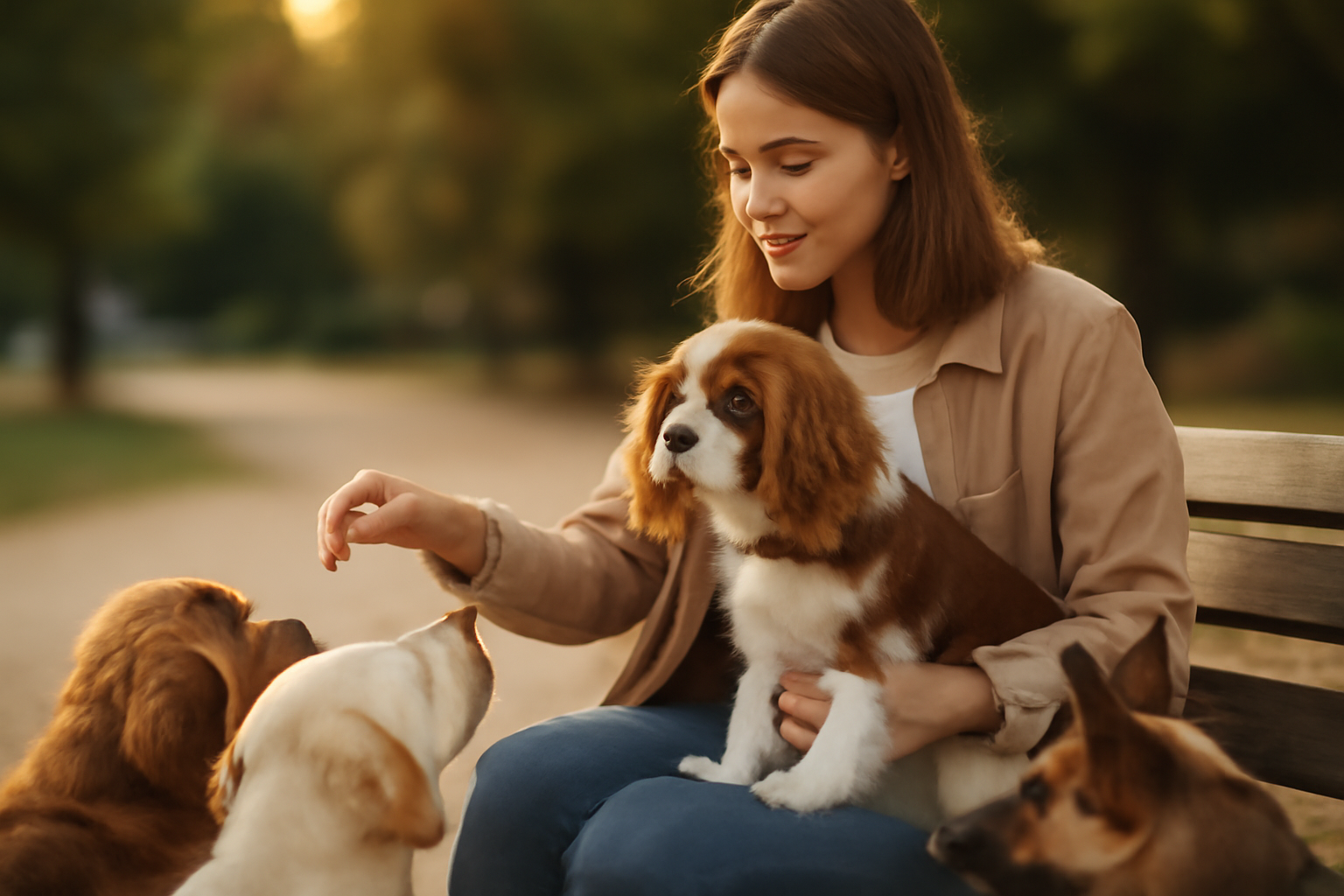
Socializing your Cavalier King Charles Spaniel is an essential part of raising a well-adjusted and happy dog. These affectionate little companions thrive on interaction, and proper socialization helps them become more comfortable in various situations, making them even more enjoyable to be around. Whether you're a new pet parent or looking to improve your furry friend's social skills, this guide will walk you through the steps.
Understanding Cavalier breed characteristics can help you tailor your socialization techniques to suit their unique personalities. As a breed known for their friendly and gentle demeanor, Cavaliers are generally eager to please, which makes them quite receptive to training and socialization efforts. Let's dive into the steps to help your Cavalier become the social butterfly they were born to be!
Table of Contents
- Step 1: Start Early with Puppy Socialization
- Step 2: Use Positive Reinforcement Techniques
- Step 3: Gradually Increase Socialization Challenges
- Step 4: Monitor Your Cavalier's Reactions
- Step 5: Socialize with Family and Friends
- Common Mistakes to Avoid
- Checklist for Socializing Your Cavalier King Charles Spaniel
- Conclusion: Take the Next Step in Socialization
Step 1: Start Early with Puppy Socialization
One of the most effective times to socialize your Cavalier is during their puppy stage-ideally between 3 and 14 weeks old. This is when they are most open to new experiences. The Ultimate Guide to Cavalier King Charles Spaniel: Everything You Need to Know.
Expose to Different Environments
Take your puppy to various environments such as parks, pet stores, and busy streets. Allow them to experience different sights, sounds, and smells. The key is to ensure these experiences are positive and not overwhelming.
Introduce to Other Animals
Encourage interaction with other dogs and pets in a controlled setting. Arrange playdates with vaccinated puppies or friendly adult dogs to help your Cavalier learn appropriate play behaviors.
Step 2: Use Positive Reinforcement Techniques
Positive reinforcement is crucial in building your Cavalier's confidence. Whenever they encounter new experiences, reward them with treats and praise for calm and friendly behavior. This approach not only encourages good behavior but also fosters a trusting relationship between you and your furry friend.
Reward Calm Behavior
When your Cavalier remains calm around new people or other animals, reward them promptly to reinforce that good behavior. This will help them associate new experiences with positive outcomes. Here are some practical steps to effectively reward calm behavior:
- Timing is Key: Always reward your Cavalier immediately after they display calm behavior. This helps them make the connection between their behavior and the reward.
- Use High-Value Treats: Choose treats that your Cavalier loves, such as small pieces of cooked chicken or cheese. This makes the reward more enticing.
- Incorporate Praise: Use a cheerful tone of voice and gentle petting when rewarding your dog. This adds emotional value to the reward.
- Gradual Exposure: Start by exposing your Cavalier to less intimidating situations, such as a quiet park, and gradually increase the level of distraction as they become more comfortable.
Additionally, keep an eye out for signs of stress in your Cavalier, such as panting, whining, or trying to hide. If they show these signs, it's important to remove them from the situation and try again later.
Practice Basic Commands
Training your dog to respond to basic commands like "sit," "stay," and "come" not only strengthens your bond but also helps in managing their behavior during socialization. Here's how to effectively incorporate basic commands into your socialization routine:
- Start with Short Sessions: Keep training sessions short (5-10 minutes) to maintain your Cavalier's focus and enthusiasm.
- Use Positive Reinforcement: Reward your Cavalier with treats and praise whenever they successfully follow a command. This reinforces their learning and encourages them to listen to you.
- Practice in Different Environments: Once your Cavalier masters commands at home, practice them in various locations, such as parks or busy streets, to help them generalize their training.
- Incorporate Commands into Socialization: Use commands during socialization outings, such as asking your dog to "sit" when meeting new people. This reinforces their training while also helping them stay calm.
Common mistakes to avoid include:
- Inconsistency: Be consistent with your commands and rewards. If you sometimes reward a behavior and sometimes don't, it can confuse your Cavalier.
- Overwhelming Situations: Don't rush the process. If your Cavalier seems overwhelmed, take a step back and work at their pace.
- Neglecting Practice: Regular practice is essential. Incorporate training into daily routines to reinforce learning.
By focusing on positive reinforcement techniques and practicing basic commands, you'll help your Cavalier King Charles Spaniel develop the confidence and skills necessary for successful socialization. This nurturing approach will not only enhance their behavior but also deepen the bond you share with your beloved pet.
Step 3: Gradually Increase Socialization Challenges
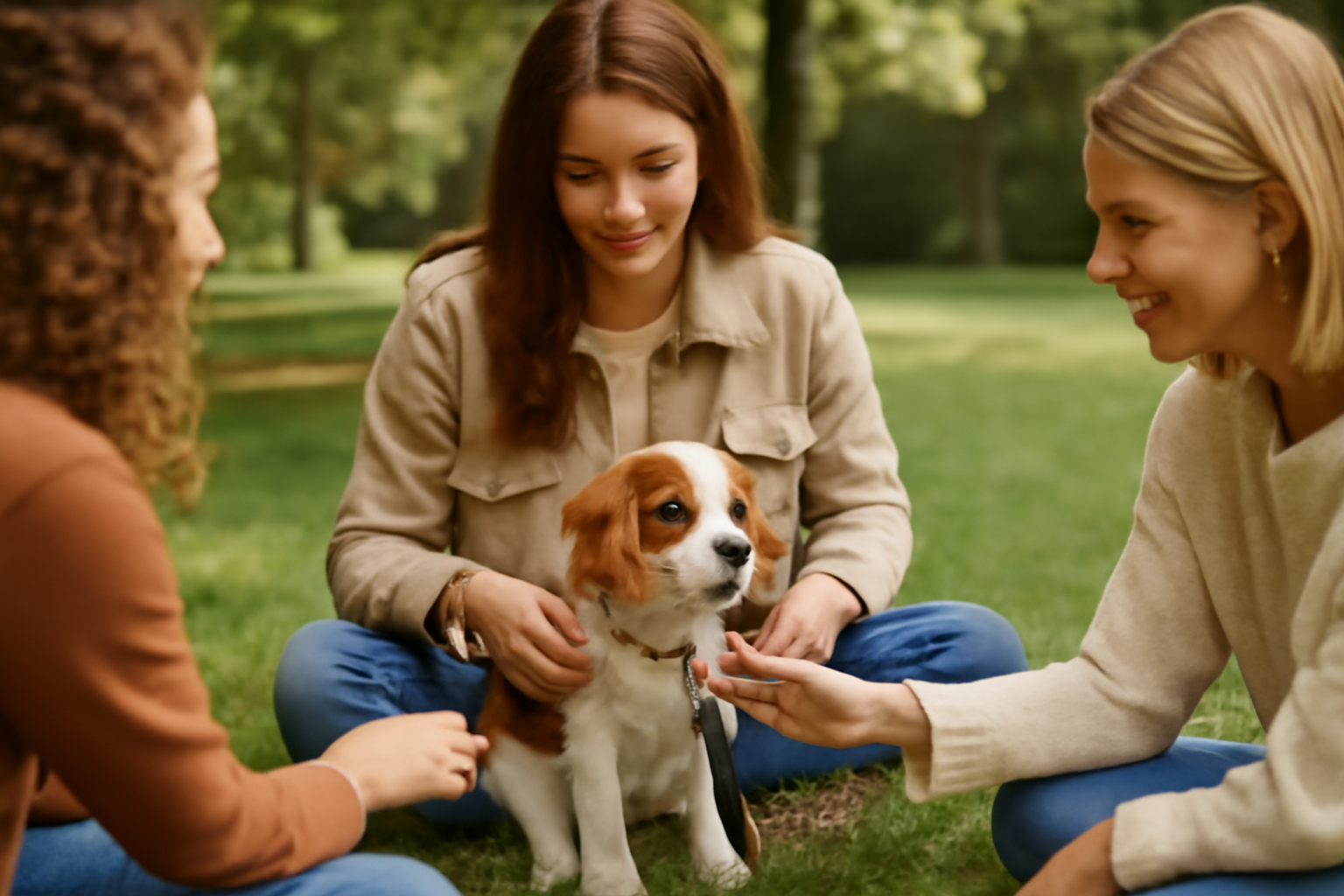
As your Cavalier becomes more comfortable, gradually introduce them to more challenging social situations. This step is crucial for developing their confidence and ensuring they remain well-adjusted in different environments. By exposing your pup to increasingly diverse social settings, you can help them learn how to navigate the world around them, making them a happy and well-socialized companion.
Attend Puppy Classes
Consider enrolling in puppy classes where they can interact with other dogs in a structured environment. This setting is excellent for reinforcing social skills and learning proper etiquette. Look for classes that focus on positive reinforcement techniques, as these will encourage your Cavalier to engage without fear or anxiety. Here are some tips to maximize your experience:
- Choose the Right Class: Ensure the class is designed for puppies and offers a safe, controlled environment. Check reviews or ask for recommendations from fellow dog owners.
- Observe and Participate: Attend the first class without your dog to observe the dynamics. Once you feel comfortable, bring your Cavalier and participate actively.
- Focus on Socialization Exercises: Engage in exercises that promote socialization, such as "meet and greet" activities. This allows your dog to learn how to approach other dogs and humans appropriately.
- Practice at Home: Reinforce the skills learned in class at home. Use treats and praise to encourage your Cavalier when they display positive social behavior.
Visit Dog-Friendly Events
Take your Cavalier to dog-friendly events or community gatherings. These outings can provide valuable exposure to larger groups of people and dogs, helping them build confidence in a variety of settings. Here's how to make the most of these experiences:
- Start Small: Begin with smaller, local events such as dog meet-ups or park gatherings. This allows your Cavalier to acclimate without feeling overwhelmed.
- Observe Their Reactions: Pay attention to your dog's body language. If they seem anxious, give them space or take a break. Gradual exposure is key.
- Encourage Positive Interactions: Reward your Cavalier with treats and praise when they interact positively with other dogs or people. This reinforces good behavior and builds confidence.
- Be Prepared: Bring water, treats, and a favorite toy to help your dog feel comfortable. Familiar items can ease anxiety in new environments.
Explore Different Environments
As your Cavalier grows more confident, introduce them to various environments. This can include busy streets, pet-friendly cafes, and even dog parks. Each new location presents unique challenges and experiences that can help your pup learn to adapt. Here are some strategies:
- Change the Scenery: Visit different parks, shopping areas, or dog-friendly beaches. Each location will have different sights, sounds, and smells that will stimulate your dog's senses.
- Gradual Exposure: Start with short visits to new locations and gradually increase the time spent there as your Cavalier becomes more comfortable.
- Engage in Activities: Participate in activities like dog agility courses or obedience training in new environments to reinforce socialization while keeping it fun.
Common Mistakes to Avoid
While socializing your Cavalier, be mindful of common pitfalls that can hinder their progress:
- Overwhelming Situations: Avoid exposing your dog to too many new experiences at once, as this can lead to fear or anxiety. Take it slow.
- Ignoring Body Language: Always pay attention to your dog's signals. If they show signs of stress, such as cowering or barking, it's essential to remove them from the situation.
- Inconsistent Training: Ensure that everyone in your household is on the same page regarding training and socialization techniques to avoid confusion for your dog.
By gradually increasing the challenges your Cavalier faces in social situations, you will help them develop the skills necessary to thrive in a variety of environments. Remember to be patient and encouraging, as each dog learns at their own pace. With time and positive experiences, your Cavalier will become a well-socialized and confident companion.
Step 4: Monitor Your Cavalier's Reactions
Pay close attention to how your Cavalier reacts to different situations. Understanding their body language can help you gauge whether they are comfortable or feeling overwhelmed.
Recognize Signs of Stress
Signs of stress may include panting, whining, or cowering. If you notice these signs, it's important to remove them from the situation and try again later in a less intense environment.
Encourage Exploration
Allow your Cavalier to approach new experiences at their own pace. Encourage them to explore their environment, which can help them build confidence and curiosity.
Step 5: Socialize with Family and Friends
Involve family members and friends in the socialization process. Encourage them to interact with your Cavalier in a calm and gentle manner.
Host Small Gatherings
Invite a few friends over to your home and let your Cavalier meet them in a familiar environment. This can help them feel more secure while learning to interact with new people.
Teach Kids How to Approach
If you have children, teach them how to properly approach and interact with your Cavalier. This is essential for preventing overwhelming situations and ensuring a positive experience for both the dog and the child.
Common Mistakes to Avoid
When socializing your Cavalier, there are a few common pitfalls to watch out for. Recognizing and avoiding these mistakes can help ensure a smoother and more positive experience for both you and your furry friend.
Forcing Interactions
Never force your Cavalier into situations that make them uncomfortable. This can lead to fear and anxiety, making future socialization efforts more challenging. Here are some practical tips to avoid this mistake:
- Observe Body Language: Watch for signs of stress such as tail tucking, whining, or avoidance. If your Cavalier shows these signs, it's best to back off.
- Choose the Right Moment: Approach socialization when your dog is calm and relaxed. Trying to introduce them to new experiences when they are already anxious can backfire.
- Use Positive Reinforcement: Reward your Cavalier with treats or praise when they engage with new people or pets on their own terms. This builds positive associations without pressure.
Neglecting Gradual Exposure
Don't rush the socialization process. Gradual exposure is key to successful socialization; rushing can overwhelm your Cavalier and lead to negative associations. Here are some strategies to ensure gradual exposure:
- Start Small: Introduce your Cavalier to one new person or pet at a time. Begin in a controlled environment, such as your home or a quiet park.
- Increase Complexity Gradually: Once your Cavalier is comfortable with one-on-one interactions, slowly increase the number of people or pets. For example, move from a quiet park to a busier area like a dog park.
- Set Realistic Goals: Set achievable milestones for your Cavalier. For instance, aim for short interactions at first, gradually extending the duration as they become more comfortable.
- Monitor Progress: Keep a journal to track your Cavalier's reactions and progress. This can help you identify patterns and adjust your approach as needed.
Ignoring the Importance of Positive Experiences
Positive experiences are crucial for your Cavalier's socialization journey. Failing to create joyful interactions can hinder their ability to engage with the world. Here's how to ensure your Cavalier has positive experiences:
- Use Treats and Toys: Bring along your Cavalier's favorite treats or toys to create a fun and rewarding environment during socialization outings.
- Incorporate Play: Allow your Cavalier to engage in play with other friendly dogs. This can help reduce anxiety and encourage positive interactions.
- Stay Calm and Positive: Your demeanor affects your dog. Maintain a relaxed and cheerful attitude to help your Cavalier feel secure and happy.
Overlooking Individual Personality
Every Cavalier King Charles Spaniel has a unique personality, and ignoring this can lead to ineffective socialization. Here's how to tailor your approach:
- Assess Their Temperament: Some Cavaliers are naturally more outgoing, while others may be shy. Understanding your dog's personality will help you set appropriate socialization goals.
- Adapt Your Techniques: For a more timid Cavalier, consider using slower introductions and gentle encouragement. For an outgoing one, you might be able to introduce them to new experiences more quickly.
- Be Patient: Recognize that socialization is not a one-size-fits-all process. Be prepared to adapt your strategies based on your Cavalier's reactions and comfort level.
Skipping Training Basics
Basic obedience training is essential for successful socialization. Without it, your Cavalier may struggle to respond appropriately in social situations. Here are some foundational training tips:
- Teach Basic Commands: Ensure your Cavalier knows commands like "sit," "stay," and "come." These commands can help you manage their behavior in social settings.
- Practice Leash Manners: A well-mannered dog on a leash is easier to control in social situations. Practice walking calmly beside you to reduce distractions.
- Incorporate Socialization into Training: Use training sessions as an opportunity for socialization. Invite friends or family over to help your Cavalier practice commands in the presence of new people.
By avoiding these common mistakes and implementing these strategies, you can help your Cavalier King Charles Spaniel become a well-adjusted and sociable companion. Remember, patience and consistency are key in this rewarding journey!
Checklist for Socializing Your Cavalier King Charles Spaniel
- Start socialization early (3-14 weeks)
- Expose to different environments
- Use positive reinforcement
- Gradually increase socialization challenges
- Monitor reactions and body language
- Involve family and friends
- Avoid forcing interactions
1. Start Socialization Early (3-14 Weeks)
Starting the socialization process during the critical period of 3 to 14 weeks is essential for your Cavalier King Charles Spaniel. During this time, puppies are more receptive to new experiences. To effectively socialize your puppy, consider these steps:- Introduce your puppy to various people, including children, seniors, and individuals wearing glasses or hats to help them adapt to diverse appearances.
- Encourage gentle handling by family members, allowing your puppy to experience different types of touch, such as petting, brushing, and bathing.
- Visit pet-friendly stores or outdoor cafes, where your puppy can encounter new sights and sounds in a controlled environment.
2. Expose to Different Environments
Cavalier King Charles Spaniels thrive in various settings. Exposing them to different environments is crucial for building confidence. Here are some practical ideas:- Take your puppy on car rides to different locations, such as parks, beaches, or busy streets, to familiarize them with different sounds and smells.
- Attend puppy socialization classes where they can interact with other dogs and people in a structured environment.
- Walk your puppy in diverse neighborhoods, allowing them to experience various surfaces, such as grass, gravel, and concrete.
3. Use Positive Reinforcement
Positive reinforcement is key to effective socialization. It helps your Cavalier associate new experiences with good outcomes. Implement these strategies:- Carry treats during outings and reward your puppy when they remain calm in new situations, reinforcing their good behavior.
- Use a cheerful tone and praise your puppy when they approach new people or dogs, encouraging them to continue exploring.
- Consider using toys or favorite items as rewards for positive interactions, making the experience enjoyable and memorable.
4. Gradually Increase Socialization Challenges
As your puppy becomes more comfortable, gradually introduce them to more challenging situations. Follow these steps:- Start with quiet environments and slowly progress to busier locations, such as dog parks or crowded events, ensuring your puppy feels secure at each stage.
- Introduce them to larger groups of people or dogs over time, allowing them to acclimate to various social dynamics.
- Monitor their comfort level and be prepared to step back if they show signs of stress or anxiety, ensuring a positive experience.
5. Monitor Reactions and Body Language
Understanding your Cavalier's body language is essential for effective socialization. Keep an eye out for specific cues:- Look for signs of stress, such as tail tucking, whining, or excessive yawning, indicating your puppy may need a break or a change in environment.
- Encourage relaxed behaviors, like a wagging tail or an open mouth, as these indicate comfort and willingness to engage.
- Be aware of your own body language; remain calm and confident, as your puppy can pick up on your emotions and reactions.
6. Involve Family and Friends
Involving family and friends in the socialization process can enhance your puppy's experience. Here are some ways to do this:- Organize playdates with other friendly dogs and their owners, allowing your puppy to learn social cues from peers.
- Encourage family members to interact with your puppy in various settings, helping them build trust with different individuals.
- Ask friends to help expose your puppy to different situations, such as visiting their homes or participating in group outings.
7. Avoid Forcing Interactions
Forcing your Cavalier into uncomfortable situations can lead to negative associations. To promote positive socialization, remember:- Allow your puppy to approach new people or dogs at their own pace, giving them the freedom to retreat if they feel overwhelmed.
- Recognize when your puppy needs a break and remove them from stressful situations to prevent anxiety from building.
- Be patient; socialization is a gradual process, and each puppy will have their own comfort level and timeline for adjustment.
Conclusion: Take the Next Step in Socialization
Socializing your Cavalier King Charles Spaniel is a rewarding journey that lays the foundation for a happy and well-adjusted pet. With patience and consistency, you can help your furry friend thrive in various environments. So, grab some treats, find a local park, and start your socialization adventures today!
Key Steps to Continue Socialization
As you embark on this socialization journey, keep the following key steps in mind:
- Regular Outings: Make socialization a part of your routine. Aim for at least three outings each week where your Cavalier can meet new people and other dogs.
- Controlled Environments: Begin in low-distraction settings before progressing to busier areas. This helps your Cavalier feel secure and less overwhelmed.
- Positive Reinforcement: Always reward your dog with treats and praise when they exhibit calm behavior in new situations. This builds their confidence and encourages good behavior.
Checklist for Successful Socialization
To ensure you cover all bases, refer to this checklist during your socialization outings:
- Have a variety of treats on hand to reward your Cavalier.
- Bring a favorite toy to create a sense of comfort.
- Identify safe, dog-friendly locations such as parks, pet-friendly stores, or dog cafes.
- Schedule playdates with well-socialized dogs to encourage positive interactions.
- Monitor your Cavalier's body language and be prepared to step back if they show signs of stress.
Avoiding Common Mistakes
Even the most dedicated pet parents can make mistakes during the socialization process. Here are some common pitfalls to avoid:
- Rushing the Process: Every dog is different. Take your time and don't force your Cavalier into situations that make them uncomfortable.
- Negative Experiences: Ensure that all interactions are positive. If your dog has a bad experience, it can set back their progress significantly.
- Ignoring Body Language: Pay attention to your Cavalier's signals. If they seem anxious or fearful, remove them from the situation before it escalates.
Maintaining Socialization Skills
Socialization is not a one-time event; it's an ongoing process. Here are some tips to maintain your Cavalier's social skills:
- Regular Training Sessions: Incorporate training into your socialization outings. This reinforces their skills and keeps their mind engaged.
- Join Classes: Consider enrolling in obedience or agility classes that allow your Cavalier to interact with other dogs in a controlled environment.
- Community Events: Participate in local dog events, such as meet-ups or charity walks, to expose your Cavalier to new experiences and people.
By following these steps and maintaining a proactive approach, your Cavalier King Charles Spaniel will not only become well-socialized but will also develop into a confident and joyful companion. Remember, the journey of socialization is as important as the destination, so enjoy every moment with your furry friend!


