

Step-by-Step Guide on How to Train a Ruby Cavalier King Charles Spaniel
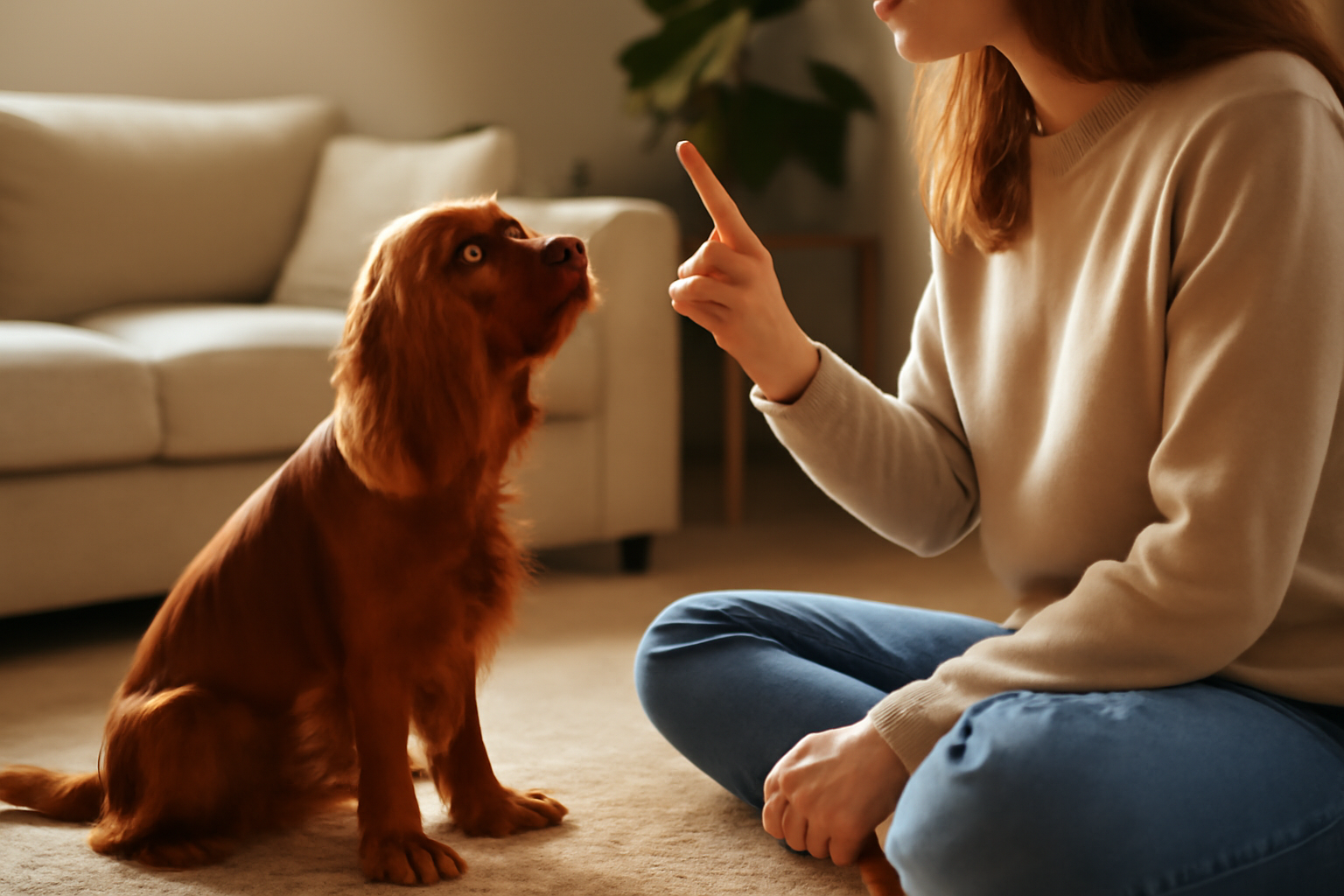
Training a Ruby Cavalier King Charles Spaniel can be a delightful experience filled with love and laughter. These charming dogs, known for their affectionate nature and playful spirit, thrive on human interaction and positive reinforcement. If you're a proud dog parent, understanding how to train your Cavalier can enhance your bond and ensure a well-behaved companion. Affectionate nature of Ruby Cavaliers.
This guide will take you through essential steps to train your Ruby Cavalier effectively. From foundational commands to addressing common behavioral issues, you'll find practical tips to make training enjoyable for both you and your furry friend. Cavalier King Charles care.
Table of Contents
Step 1: Understand Your Dog's Nature
The first step in training your Ruby Cavalier King Charles Spaniel is to understand their unique personality traits. Cavalier King Charles characteristics include a friendly demeanor and a strong desire to please their owners. They are eager learners but can also be a bit stubborn at times. Recognizing these traits will help you tailor your training approach.
To effectively train your Ruby Cavalier, consider the following aspects of their nature:
1. Social Nature
Ruby Cavaliers are known for their sociability. They thrive on interaction with people and other pets. This means training sessions can be more effective when they are engaging and involve social elements. For instance, you might invite a friend or family member to join you during training to create a lively atmosphere. This can help your dog associate training with positive social experiences.
2. Eagerness to Please
One of the most endearing traits of Ruby Cavaliers is their eagerness to please their owners. This characteristic can be harnessed during training by using positive reinforcement techniques. Rewarding your dog with treats, praise, or play after they successfully complete a command will motivate them to repeat the behavior. Keep a variety of treats handy to maintain their interest and enthusiasm.
3. Stubbornness
While they are generally eager to learn, Ruby Cavaliers can exhibit stubbornness, especially if they feel overwhelmed or uninterested. To combat this, keep training sessions short-around 5 to 10 minutes-and engaging. If your dog seems distracted or resistant, it may be time to take a break or switch to a more exciting activity. Avoid negative reinforcement, as it can lead to anxiety and reduce their willingness to learn.
4. Sensitivity
Cavalier King Charles Spaniels are sensitive dogs that can easily pick up on their owner's emotions. If you are frustrated or anxious during training, your dog may become stressed or lose interest. Maintain a calm and cheerful demeanor, and be patient with your pup. If you find yourself getting upset, take a moment to breathe and reset before continuing.
5. Playfulness
Incorporating play into your training can be a fantastic way to keep your Ruby Cavalier engaged. Use games like fetch or hide-and-seek to reinforce commands. For example, you can practice the "come" command by calling your dog while they are playing with a toy. This not only makes learning fun but also strengthens your bond with your pet.
Checklist for Understanding Your Ruby Cavalier
- Observe their behavior in different situations (around strangers, other pets, etc.).
- Identify their favorite rewards (treats, toys, praise).
- Monitor their energy levels and attention span during training.
- Adjust the training environment to minimize distractions.
- Be aware of their emotional responses to your tone and body language.
By taking the time to understand your Ruby Cavalier King Charles Spaniel's nature, you can create a tailored training plan that aligns with their unique personality. This foundational step will set the stage for successful learning and a stronger bond between you and your furry friend.
Step 2: Establish a Training Routine
Consistency is key when it comes to training your Cavalier. Establish a regular training schedule that fits into your daily routine. Short, frequent training sessions are more effective than long, infrequent ones. Aim for 5-10 minute sessions, two to three times a day, to keep your dog engaged without overwhelming them.
Tip: Choose a Distraction-Free Environment
Select a quiet location for training where your dog can focus without distractions. This could be in your living room or a calm outdoor space. As they become more proficient in their training, you can gradually introduce distractions to help them learn to focus in different environments.
Step 3: Use Positive Reinforcement
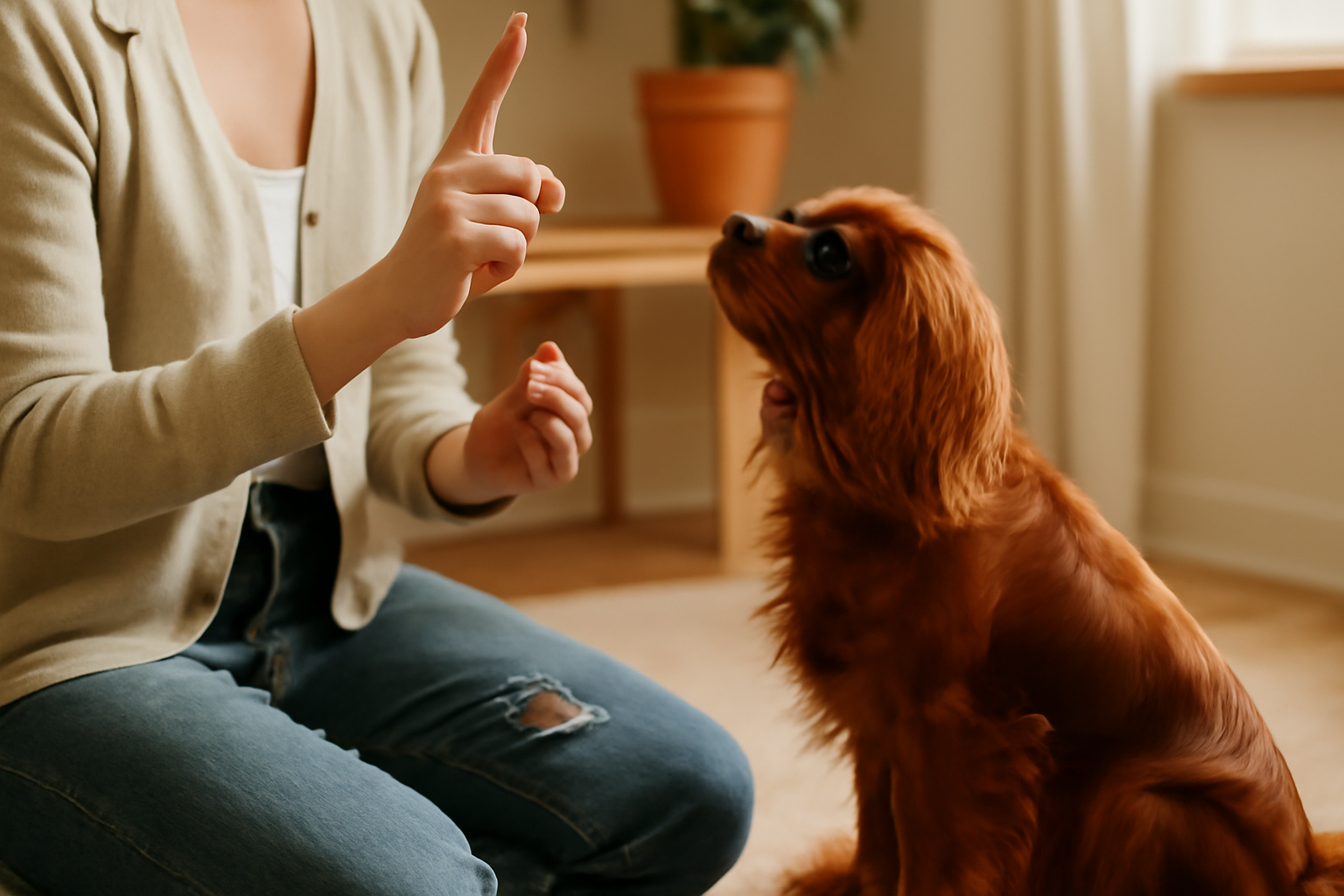
Positive reinforcement is one of the most effective training methods for Ruby Cavaliers. Reward your dog with treats, praise, or playtime whenever they successfully perform a command or exhibit good behavior. This approach encourages your pet to repeat the behavior, fostering a positive learning experience. It's essential to understand that timing and consistency are key to making positive reinforcement work effectively.
Timing is Everything
To maximize the effectiveness of positive reinforcement, reward your Ruby Cavalier immediately after they perform the desired behavior. This helps them make the connection between their action and the reward. For instance, if you ask your dog to sit and they do so, provide a treat right away. If you wait too long, they may not associate the reward with the action you wanted to reinforce.
Common Rewards
- High-value treats: Use small, tasty treats that your dog loves. Consider using soft, chewy treats or small pieces of cooked chicken or cheese, which can be more enticing than regular kibble.
- Praise: Verbal affirmations, such as "Good boy!" or "Well done!" should be enthusiastic and heartfelt. Your tone of voice can convey excitement and approval, making the praise more impactful.
- Playtime: Engage in their favorite game, such as fetch or tug-of-war, after a successful training session. This not only reinforces the behavior but also strengthens your bond.
Creating a Reward Schedule
Initially, you may want to reward your Ruby Cavalier every time they perform the desired behavior to establish a strong connection. However, as they become more proficient, gradually shift to a variable reinforcement schedule. This means rewarding them randomly rather than every time, which can keep them motivated and engaged. Here's a simple checklist to follow:
- Start with continuous rewards for new behaviors.
- After a few successful repetitions, switch to rewarding every second or third time.
- Eventually, move to random rewards to maintain interest and excitement.
Common Mistakes to Avoid
While positive reinforcement is a powerful tool, there are pitfalls to watch out for:
- Inconsistent rewards: Make sure everyone in your household is on the same page regarding training and rewards. Mixed signals can confuse your dog.
- Over-reliance on treats: While treats are effective, ensure you're also using praise and playtime. This can help maintain a healthy weight for your dog and prevent them from becoming too treat-dependent.
- Rewarding unwanted behavior: Be cautious not to reward behaviors you don't want to encourage. For example, if your dog jumps up for attention, don't reward them until they settle down.
Tracking Progress
Keep track of your Ruby Cavalier's progress to understand what works best for them. Consider maintaining a training journal where you note down:
- The commands you've taught.
- The rewards that motivate them the most.
- Any challenges or setbacks you encounter.
This record will help you adjust your training techniques and rewards as needed, ensuring a more tailored approach to your Ruby Cavalier's training journey.
Step 4: Teach Basic Commands
Start with fundamental commands that are essential for your dog's safety and your peace of mind. Here are some key commands to focus on:
1. Sit
To teach "sit," hold a treat close to your dog's nose, and slowly move it upwards. As their head follows the treat, their bottom will lower. Once they are in the sitting position, say "sit" and reward them.
2. Stay
Once your dog has mastered "sit," you can teach "stay." With your dog sitting, open your palm in front of them and say "stay." Take a few steps back. If they stay in place, return and reward them. Gradually increase the distance and duration.
3. Come
The "come" command is crucial for your dog's safety. Begin by putting your dog on a leash in a quiet area. Say "come" in a cheerful tone while gently pulling on the leash. When they come to you, reward them with praise and treats.
Step 5: Address Behavioral Issues
Every dog has its quirks, and Ruby Cavaliers are no exception. They may exhibit certain behavioral issues such as barking, chewing, or jumping. Here are some tips to address these challenges:
Barking
If your Cavalier barks excessively, try to identify the trigger. Once you know the cause, redirect their attention with a toy or treat and teach them the "quiet" command. Reward them for calm behavior.
Chewing
To prevent destructive chewing, ensure your dog has plenty of appropriate chew toys. If you catch them chewing on something they shouldn't, redirect them to their toys and reward them when they chew the right items.
Jumping
To curb jumping, ignore your dog when they leap up. Only give them attention when all four paws are on the ground. Reward them when they behave calmly in your presence.
Step 6: Socialization is Key
Socialization is an important aspect of training for Ruby Cavaliers. Expose your dog to different environments, people, and other animals to help them develop confidence and reduce anxiety. This can be achieved through puppy classes, playdates, or visits to dog parks.
To effectively socialize your Ruby Cavalier King Charles Spaniel, follow these practical steps to ensure a positive experience:
1. Start Early
The critical window for socialization occurs between 3 and 14 weeks of age. During this time, puppies are most receptive to new experiences. If you have a young Ruby Cavalier, make the most of this period by exposing them to a variety of sights, sounds, and smells. Here are some activities to consider:
- Introduce them to different surfaces like grass, concrete, and gravel.
- Expose them to various sounds such as vacuum cleaners, doorbells, and traffic noises.
- Take them on car rides to different locations to experience new environments.
2. Puppy Classes
Puppy training classes are a fantastic way to socialize your Ruby Cavalier in a controlled environment. Look for classes that emphasize positive reinforcement and have a focus on socialization. Here's what to look for:
- Classes should include playtime with other puppies to encourage interaction.
- Instructors should be experienced in handling small breeds and promoting positive experiences.
- Observe how your puppy reacts to different situations and other dogs during class.
Remember, the goal of puppy classes is not only to teach commands but also to help your pup feel comfortable around other dogs and people.
3. Playdates
Arranging playdates with other friendly dogs can be an excellent way to socialize your Ruby Cavalier. Here are some tips for successful playdates:
- Choose dogs that are well-behaved and have a similar energy level to your puppy.
- Start in a neutral location, such as a park, where neither dog feels territorial.
- Supervise the play closely to ensure it remains positive and safe. If one dog seems overwhelmed, it's okay to take a break.
After several playdates, your Ruby Cavalier will become more comfortable with other dogs, which can help reduce anxiety in future encounters.
4. Visits to Dog Parks
Dog parks can be a wonderful place for socialization, but they can also be overwhelming for a young puppy. Here are some strategies to make dog park visits successful:
- Choose times when the park is less crowded to ease your puppy into the experience.
- Observe the interactions of other dogs before introducing your Ruby Cavalier to the group.
- Keep your puppy on a leash until they are comfortable, and gradually allow them to interact with other dogs.
Always be attentive to your puppy's body language; if they seem fearful or anxious, it's best to leave the park and try again another day.
5. Expose to Different Environments
Beyond dog parks and playdates, exposing your Ruby Cavalier to various environments is vital for their social development. Consider these scenarios:
- Take them to busy areas like farmers' markets or pet-friendly cafes to experience different people and sounds.
- Visit places with different animals, such as farms or pet stores, to help them learn to interact with various species.
- Introduce them to children and adults of all ages to build their comfort level with different types of people.
6. Monitor and Adjust
As you socialize your Ruby Cavalier, it's important to monitor their reactions and adjust your approach as needed. Here are some signs to watch for:
- If your puppy seems fearful or anxious, take a step back and try a less intense socialization experience.
- Reward positive behavior with treats and praise to reinforce their confidence.
- Be patient; socialization is a gradual process, and every puppy will progress at their own pace.
Common Mistakes to Avoid
While socialization is crucial, there are common pitfalls to be aware of:
- Overwhelming your puppy with too many new experiences at once can lead to fear and anxiety. Always introduce new situations gradually.
- Neglecting to supervise interactions with other dogs can lead to negative experiences. Always be present and attentive.
- Failing to reward positive interactions can hinder your puppy's confidence. Always celebrate their bravery with treats and affection.
By following these steps and being mindful of your Ruby Cavalier's needs, you'll help them grow into a well-adjusted, confident adult dog ready to take on the world. Remember, socialization is a continuous process, so keep exposing them to new experiences throughout their life!
Step 7: Consistency and Patience
Training takes time and patience. Be consistent with your commands and rewards, and remember that every dog learns at their own pace. Celebrate small victories and remain patient as your Ruby Cavalier learns.
Establishing a Training Routine
Creating a structured training routine is essential for your Ruby Cavalier King Charles Spaniel. Dogs thrive on predictability, so aim to train at the same times each day. Here's how to set up an effective routine:
- Choose a Time: Select a time when both you and your dog are alert and focused. Early mornings or late afternoons often work best.
- Keep Sessions Short: Limit training sessions to 5-10 minutes to maintain your dog's attention. You can have multiple short sessions throughout the day.
- Use a Consistent Location: Train in a quiet, distraction-free area where your dog feels comfortable. This could be your living room or backyard.
Using Consistent Commands
Your Ruby Cavalier will benefit greatly from consistent verbal cues and hand signals. Here are some tips for maintaining consistency:
- Stick to the Same Words: Use the same command words for each action. For example, always use "sit" instead of mixing it with "sit down."
- Incorporate Hand Signals: Pair verbal commands with hand signals. This visual cue can help your dog understand the command better.
- Be Clear and Calm: Use a clear, calm voice when giving commands. Avoid yelling or showing frustration, as this can confuse your dog.
Rewarding Progress
Positive reinforcement is crucial in training. Here's how to effectively reward your Ruby Cavalier:
- Use High-Value Treats: Find treats that your dog absolutely loves. This could be small pieces of chicken, cheese, or a favorite store-bought treat.
- Timing is Key: Reward your dog immediately after they perform the desired behavior to strengthen the association.
- Mix Up Rewards: Sometimes use treats, other times use praise or playtime. This keeps your dog engaged and excited about training.
Understanding Learning Paces
Each dog learns at their own pace, so it's important to recognize the signs of progress and adjust your expectations accordingly:
- Watch for Signs of Understanding: If your dog starts to respond to commands without hesitation, they are beginning to understand. Celebrate these moments!
- Be Mindful of Frustration: If your dog seems frustrated or confused, take a step back. Simplify the command or take a break to avoid overwhelming them.
- Adjust Your Approach: If a particular command isn't sticking, consider changing your method. This could mean using different rewards or breaking the command into smaller steps.
Celebrating Small Victories
Every bit of progress is worth celebrating! Here are ways to acknowledge your Ruby Cavalier's achievements:
- Verbal Praise: Use enthusiastic praise every time your dog successfully follows a command. A simple "Good job!" can boost their confidence.
- Special Treats: Occasionally give a bigger treat for a job well done, especially for mastering a difficult command.
- Playtime: Incorporate some fun playtime as a reward for completing a training session. This makes training enjoyable for your dog.
Common Mistakes to Avoid
While training, it's easy to fall into some common pitfalls. Here's what to watch out for:
- Inconsistency: Switching commands or rewards can confuse your dog. Stick to the same approach until they master the behavior.
- Overtraining: Training too long can lead to fatigue and loss of interest. Keep sessions short and engaging.
- Ignoring Distractions: Training in a distracting environment can hinder progress. Start in a quiet space and gradually introduce distractions as your dog becomes more confident.
Remember, training your Ruby Cavalier King Charles Spaniel is a journey filled with love and patience. By being consistent and celebrating their progress, you'll build a strong bond and create a well-behaved companion.
Checklist for Successful Training
- Understand your dog's personality traits and adjust your training accordingly.
- Establish a consistent training routine.
- Utilize positive reinforcement techniques.
- Teach basic commands: sit, stay, and come.
- Address specific behavioral issues with redirection.
- Socialize your dog with various experiences and environments.
- Stay patient and consistent throughout the training process.
Training your Ruby Cavalier King Charles Spaniel can be a rewarding journey that strengthens your bond. By understanding their personality, establishing a routine, and using positive reinforcement, you can cultivate a well-behaved and happy companion. Start implementing these steps today, and watch your furry friend thrive!


