

Ruby Cavalier King Charles Spaniels Health Issues FAQ: 12 Common Questions Answered
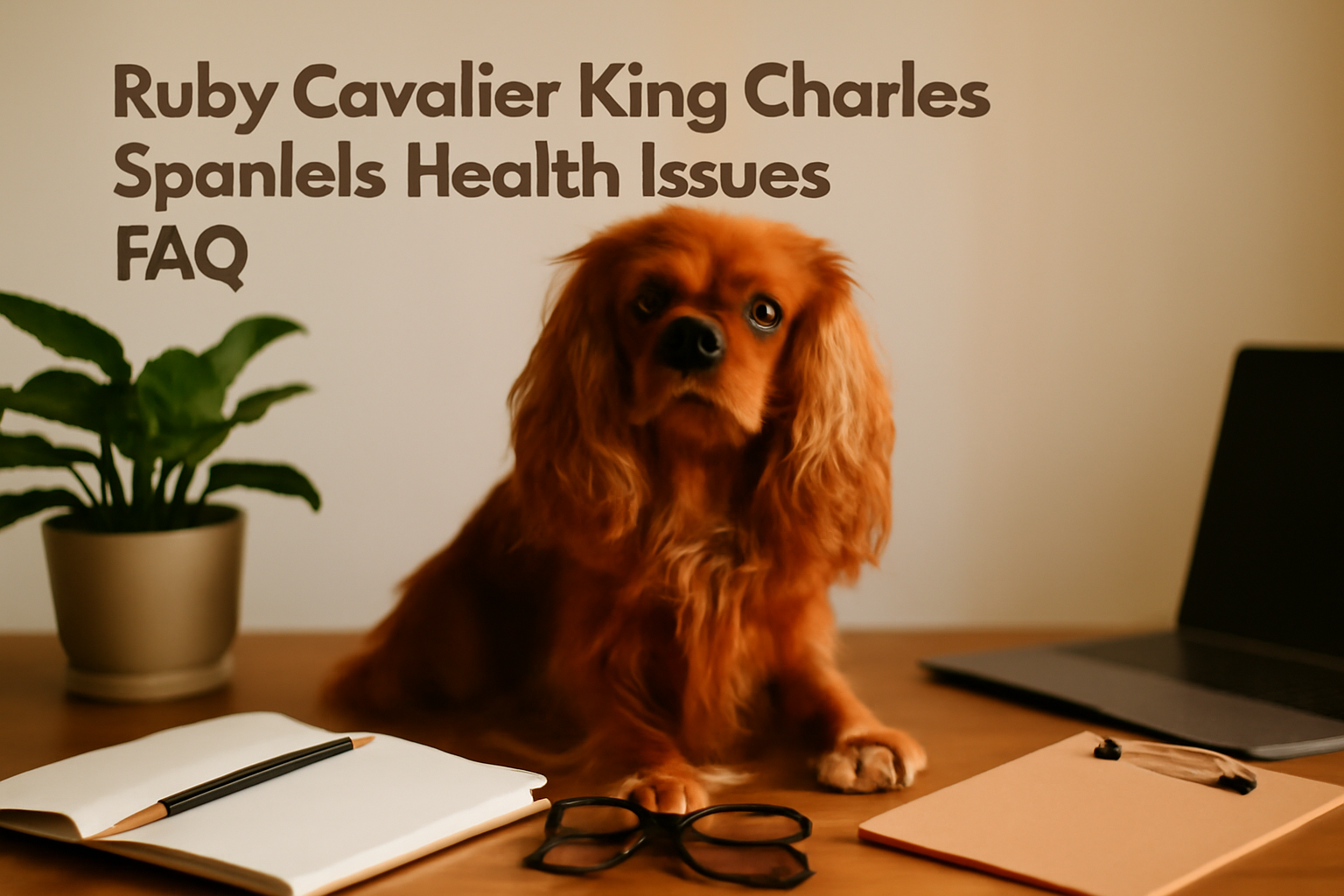
As a pet parent, understanding the health issues that can affect your Ruby Cavalier King Charles Spaniel is crucial for ensuring a long, happy life for your furry friend. This breed is not only adorable with their rich, ruby-colored coats, but they also have a unique set of health considerations that every owner should be aware of.
In this FAQ, we'll tackle some of the most common questions surrounding the health of Ruby Cavaliers. From genetic predispositions to everyday care tips, we're here to provide you with a comprehensive overview to help you keep your beloved companion healthy and thriving.
Table of Contents
- What are the common health issues in Ruby Cavalier King Charles Spaniels?
- How can I recognize signs of heart disease in my Cavalier?
- What is syringomyelia, and how does it affect Cavaliers?
- Is patellar luxation common in Ruby Cavaliers?
- What should I know about hip dysplasia in Cavaliers?
- How can I help manage my Cavalier's weight?
- What are the signs of ear infections in Cavaliers?
- Are Ruby Cavaliers prone to eye problems?
- What are some preventive measures for health issues in Cavaliers?
- How can I support my Cavalier's mental health?
- What should I do if I notice concerning symptoms in my Cavalier?
- How important is regular veterinary care for my Ruby Cavalier?
What are the common health issues in Ruby Cavalier King Charles Spaniels?
Ruby Cavalier King Charles Spaniels are prone to several health issues, including heart disease, patellar luxation, hip dysplasia, and syringomyelia. These conditions can significantly impact their quality of life, so it's essential to stay vigilant and consult with a veterinarian regularly.
Regular check-ups, a healthy diet, and proper exercise can help mitigate some of these risks. Early detection is key, so being aware of the signs and symptoms of these health concerns is crucial for all Cavalier owners. affectionate dog breeds.
How can I recognize signs of heart disease in my Cavalier?
Heart disease is a leading concern for Cavaliers. Signs may include coughing, difficulty breathing, lethargy, and a decreased appetite. If you notice any of these symptoms, it's essential to seek veterinary attention promptly.
Routine veterinary check-ups often include heart health screenings, which can help catch potential issues early. Being proactive about your pet's heart health can make a significant difference in their overall well-being.
Common Signs to Watch For
Recognizing the signs of heart disease early can be crucial for effective treatment. Here are some specific symptoms to keep an eye out for:
- Coughing: Frequent coughing, especially at night or after exercise, can indicate fluid accumulation in the lungs.
- Difficulty Breathing: Noticeable labored breathing or an increased respiratory rate can signal heart problems.
- Lethargy: If your Cavalier seems less energetic than usual or reluctant to engage in play, it may be a sign of heart disease.
- Decreased Appetite: A sudden change in eating habits, such as refusing food or showing less interest in treats, can be a warning sign.
- Fainting or Collapse: Episodes of fainting or weakness can indicate serious heart issues and require immediate veterinary attention.
When to Seek Veterinary Care
If you observe any of the above symptoms, it's essential to take action. Here's a checklist to help you determine when to contact your veterinarian:
- If your Cavalier coughs persistently for more than a few days.
- When you notice rapid or labored breathing, even at rest.
- If your dog becomes unusually tired during walks or playtime.
- When there's a noticeable decrease in appetite lasting more than 24 hours.
- If you witness any episodes of fainting or collapsing.
Routine Veterinary Check-Ups
Regular veterinary visits are vital for maintaining your Cavalier's heart health. During these check-ups, your veterinarian may perform:
- Physical Exams: A thorough examination can help identify early signs of heart disease, such as abnormal heart sounds or a heart murmur.
- X-rays: Chest x-rays can reveal heart size and any fluid in the lungs.
- Echocardiograms: An ultrasound of the heart can provide detailed information about its structure and function.
- Blood Tests: Certain tests can help assess heart function and check for underlying conditions.
Proactive Steps for Heart Health
Taking proactive measures can significantly improve your Cavalier's heart health. Here are some tips:
- Maintain a Healthy Weight: Obesity can strain the heart, so ensure your Cavalier is at a healthy weight through a balanced diet and regular exercise.
- Provide a Balanced Diet: Feed your dog high-quality food that is appropriate for their age and health condition. Consult your vet for recommendations.
- Regular Exercise: Engage your Cavalier in daily physical activity to promote cardiovascular health. Tailor the intensity to their energy levels and age.
- Monitor Heart Health: Keep track of any changes in behavior, appetite, or energy levels, and report them to your vet.
Common Mistakes to Avoid
As a pet parent, it's essential to be aware of common mistakes that could jeopardize your Cavalier's heart health:
- Ignoring Symptoms: Don't dismiss subtle changes in your dog's behavior or health as normal aging.
- Skipping Vet Visits: Regular check-ups are crucial, even if your dog seems healthy.
- Feeding Table Scraps: Human food can be unhealthy for dogs and lead to weight gain and heart issues.
- Neglecting Dental Care: Poor dental hygiene can contribute to heart disease, so maintain a proper dental care routine.
By staying vigilant and proactive about your Cavalier's heart health, you can help ensure they lead a long, happy life filled with love and joy. Remember, your veterinarian is your best ally in keeping your furry friend healthy!

What is syringomyelia, and how does it affect Cavaliers?
Syringomyelia is a serious condition that affects the spinal cord and is common in Cavaliers. It occurs when a fluid-filled cyst forms within the spinal cord, causing pain and discomfort. Symptoms can include scratching at the neck, sensitivity to touch, and behavioral changes.
If you suspect your Ruby Cavalier may have this condition, a veterinary neurologist can conduct specific tests to diagnose and recommend management strategies. Early intervention can help alleviate some of the pain associated with this condition.
Is patellar luxation common in Ruby Cavaliers?
Yes, patellar luxation, or the dislocation of the kneecap, is quite common in Ruby Cavaliers. It can result in lameness or limping, and in severe cases, it may require surgical intervention. Keeping your dog at a healthy weight can reduce the risk of this condition.
Regular exercise and avoiding high-impact activities can also help maintain their joint health. If you notice any signs of lameness, consult your veterinarian for advice tailored to your dog's needs.
What should I know about hip dysplasia in Cavaliers?
Hip dysplasia is a genetic condition where the hip joint doesn't fit properly into the hip socket. This can lead to arthritis and pain as your dog ages. Symptoms include difficulty standing up, reluctance to exercise, and a noticeable limp.
Responsible breeding practices can help reduce the incidence of hip dysplasia. If you're considering bringing a Cavalier into your family, ensure you choose a reputable breeder who screens for this condition.
How can I help manage my Cavalier's weight?
Maintaining a healthy weight is vital for Ruby Cavaliers, as obesity can exacerbate many health issues, including heart disease and joint problems. A balanced diet, portion control, and regular exercise are essential components of weight management.
Consider consulting your veterinarian for dietary recommendations tailored to your Cavalier's specific needs. Keeping an eye on their caloric intake and ensuring they get daily exercise can help keep your pup in shape.
Steps for Effective Weight Management
Managing your Cavalier's weight effectively involves a systematic approach. Here are practical steps to follow:
- Assess Current Weight: Regularly weigh your dog to monitor any changes. Use a scale that can accommodate pets, or consult your vet for accurate measurements.
- Determine Ideal Weight: Consult with your veterinarian to establish your Cavalier's ideal weight based on their age, size, and overall health.
- Calculate Daily Caloric Needs: Use a pet calorie calculator or ask your vet to determine how many calories your dog should consume daily to maintain a healthy weight.
- Choose Quality Dog Food: Select high-quality dog food that meets the nutritional needs of your Cavalier. Look for options that are specifically formulated for small breeds or weight management.
- Implement Portion Control: Measure your dog's food using a standard measuring cup. Avoid free-feeding and stick to set meal times.
- Introduce Healthy Treats: Opt for low-calorie treats or use fruits and vegetables like carrots or green beans. Always check with your vet to ensure these are safe for your dog.
- Encourage Regular Exercise: Aim for at least 30 minutes of exercise each day. This can include walks, playtime, or engaging in dog sports.
- Monitor Progress: Keep a journal of your Cavalier's weight, diet, and exercise routine to track progress and make necessary adjustments.
Tips for Successful Weight Management
Here are some additional tips to help you manage your Cavalier's weight effectively:
- Set Realistic Goals: Aim for gradual weight loss if your dog is overweight. Rapid weight loss can lead to health complications.
- Stay Consistent: Consistency is key in both diet and exercise. Stick to the same feeding schedule and exercise routine as much as possible.
- Involve the Family: Educate everyone in your household about your Cavalier's weight management plan. This ensures that everyone is on the same page regarding feeding and exercise.
- Be Mindful of Holidays and Special Occasions: During holidays or birthdays, be cautious about giving extra treats. Opt for healthier options or limit portion sizes.
- Seek Support: Join a pet weight management group or forum for tips, motivation, and support from other Cavalier owners.
Common Mistakes to Avoid
While managing your Cavalier's weight, be aware of these common pitfalls:
- Overestimating Portion Sizes: Many pet owners underestimate how much food their dog should be eating. Always measure portions accurately.
- Ignoring Treat Calories: Treats can add up quickly in calories. Keep track of all food and treats given to maintain an accurate caloric intake.
- Skipping Exercise: It's easy to overlook regular exercise, especially during busy days. Make it a priority to schedule daily activity.
- Feeding Table Scraps: Human food can be high in calories and unhealthy for dogs, leading to weight gain. Avoid giving table scraps and stick to dog food.
- Not Consulting a Veterinarian: Failing to seek professional advice can lead to improper weight management. Regular check-ups are essential for your dog's health.
By following these steps, tips, and avoiding common mistakes, you can help ensure that your Ruby Cavalier King Charles Spaniel maintains a healthy weight, leading to a happier and longer life. Remember, a proactive approach to weight management not only benefits their physical health but also enhances their overall quality of life.
What are the signs of ear infections in Cavaliers?
Cavaliers are prone to ear infections due to their floppy ears, which can trap moisture and debris. Signs of an ear infection include excessive scratching at the ears, redness, and a foul odor. If you suspect an infection, seek veterinary care for appropriate treatment.
Regular ear cleaning and check-ups can help prevent infections. Your vet can recommend safe cleaning solutions and techniques for maintaining your Cavalier's ear health.
Are Ruby Cavaliers prone to eye problems?
Yes, Ruby Cavalier King Charles Spaniels can be susceptible to various eye problems, including cataracts and dry eye. Symptoms may include excessive tearing, squinting, or a cloudy appearance in the eyes.
Regular veterinary eye examinations can help catch these issues early. If you notice any changes in your dog's vision or eye appearance, consult your veterinarian for further evaluation.
Common Eye Problems in Ruby Cavaliers
Ruby Cavaliers are particularly prone to several specific eye conditions. Understanding these can help you monitor your pet's health more effectively.
- Cataracts: These are cloudy areas in the lens of the eye, which can lead to vision impairment. They may develop at any age, but are more common in older dogs. Early signs include a noticeable cloudiness in the eye and difficulty seeing in low light.
- Dry Eye (Keratoconjunctivitis Sicca): This condition occurs when the eyes do not produce enough tears, leading to dryness and irritation. Symptoms include redness, discharge, and excessive blinking.
- Progressive Retinal Atrophy (PRA): This is a genetic condition that leads to degeneration of the retina, resulting in vision loss. Symptoms may not be apparent until the condition is advanced, so regular check-ups are crucial.
- Cherry Eye: This occurs when the gland of the third eyelid protrudes. It can be identified as a red mass in the corner of the eye. Surgical correction is often required to address this issue.
Signs to Watch For
Being vigilant about your Ruby Cavalier's eye health can make a significant difference. Here are some signs that may indicate an eye problem:
- Excessive tearing or discharge
- Squinting or keeping the eyes closed
- Redness or swelling around the eyes
- Cloudy or opaque appearance of the eye
- Behavioral changes, such as reluctance to play or go outside
Preventive Care and Regular Check-ups
Regular veterinary eye examinations are essential for early detection and treatment of eye problems. Here are some steps you can take to ensure your Ruby Cavalier's eye health:
- Schedule Annual Vet Visits: Make it a point to schedule at least one comprehensive eye examination each year. Your veterinarian can check for common issues and recommend treatments if necessary.
- Observe Your Dog: Keep a close eye on any changes in your dog's behavior or appearance. If you notice anything unusual, don't wait for the next scheduled visit; reach out to your vet immediately.
- Maintain a Clean Environment: Regularly clean your pet's living area to minimize dust and allergens that can irritate their eyes. Ensure that toys and bedding are also kept clean.
- Monitor Their Diet: A balanced diet rich in omega fatty acids can promote overall eye health. Consult your vet for dietary recommendations specific to your Ruby Cavalier.
Common Mistakes to Avoid
When it comes to your Ruby Cavalier's eye health, there are several common mistakes to avoid:
- Ignoring Symptoms: Don't overlook any signs of eye problems, thinking they will resolve on their own. Early intervention is crucial.
- Neglecting Regular Check-ups: Skipping annual vet visits can lead to missed opportunities for early detection of eye diseases.
- Using Human Eye Drops: Never use over-the-counter human eye drops on your dog without consulting your veterinarian, as some ingredients can be harmful to pets.
By staying informed and proactive about your Ruby Cavalier's eye health, you can help ensure they enjoy a happy and healthy life. Regular check-ups and being alert to changes can make all the difference in catching potential issues early and providing the best care for your furry friend.
What are some preventive measures for health issues in Cavaliers?
Preventive care is essential for the health of Ruby Cavaliers. Regular veterinary visits for vaccinations, dental care, and health screenings can help catch potential issues before they become serious. Additionally, maintaining a balanced diet and regular exercise routine plays a vital role in prevention.
Consider discussing with your vet about any breed-specific health screenings that may be recommended for your Cavalier. Being proactive about your pet's health can lead to a happier, longer life together.
How can I support my Cavalier's mental health?
Mental stimulation is just as important as physical activity for Ruby Cavaliers. Engaging them with puzzle toys, obedience training, and socialization can help keep their minds sharp and reduce anxiety.
Regular interaction and playtime can strengthen your bond and keep your Cavalier happy. Remember, a mentally stimulated dog is often a healthier dog!
Engaging Activities for Mental Stimulation
To effectively support your Cavalier's mental health, consider incorporating a variety of activities into their daily routine. Here are some engaging ideas:
- Puzzle Toys: Invest in interactive toys that challenge your dog to solve problems for treats. Brands like Kong and Outward Hound offer a range of options that can keep your Cavalier entertained for hours.
- Obedience Training: Regular training sessions not only teach your dog commands but also provide mental exercise. Aim for short, positive sessions that focus on basic commands like sit, stay, and come, gradually introducing more complex tricks.
- Scent Games: Utilize your dog's natural sniffing instincts by hiding treats around the house or yard. Encourage your Cavalier to find them, turning it into a fun scavenger hunt.
- Socialization: Arrange playdates with other friendly dogs or visit dog parks. This helps your Cavalier develop social skills and reduces feelings of isolation.
- Interactive Play: Engage in games like fetch or tug-of-war. These activities not only stimulate your dog mentally but also strengthen your bond through play.
Creating a Routine
Establishing a routine can provide structure and predictability, which is beneficial for your Cavalier's mental well-being. Here's how to create an effective routine:
- Daily Walks: Schedule at least one to two walks a day. Vary the routes to provide new smells and sights, which can be mentally stimulating.
- Training Sessions: Incorporate training into your daily routine. Even five to ten minutes of practice can make a difference.
- Playtime: Dedicate specific times for play each day. Consistency helps your Cavalier know when to expect fun activities.
- Quiet Time: Allow for downtime where your Cavalier can relax and recharge. This balance is crucial for mental health.
Common Mistakes to Avoid
While striving to support your Cavalier's mental health, be mindful of these common pitfalls:
- Overstimulation: Too many activities or constant engagement can lead to stress. Observe your dog's body language and adjust the pace of activities accordingly.
- Neglecting Socialization: Failing to expose your Cavalier to new experiences and other dogs can lead to anxiety and fearfulness. Gradually introduce them to new environments and companions.
- Inconsistent Training: Inconsistent commands or expectations can confuse your dog. Ensure everyone in the household uses the same commands and training techniques.
- Ignoring Signs of Stress: Be attentive to signs of anxiety, such as excessive barking, chewing, or pacing. If you notice these behaviors, reassess your approach to mental stimulation and seek professional advice if necessary.
Additional Tips for Enhancing Mental Health
Here are a few more strategies to enhance your Ruby Cavalier's mental health:
- Rotate Toys: Keep your dog's interest piqued by rotating their toys regularly. This prevents boredom and keeps their playtime exciting.
- Engage in Canine Sports: Consider enrolling your Cavalier in agility, flyball, or obedience competitions. These activities provide mental challenges and a sense of accomplishment.
- Mindfulness and Relaxation: Practice calming techniques such as gentle petting or massage. This can help your dog relax and reduce anxiety levels.
By actively engaging with your Ruby Cavalier and providing a variety of mental stimulation, you can significantly enhance their overall happiness and well-being. Remember, a mentally stimulated dog is not only happier but also healthier!
What should I do if I notice concerning symptoms in my Cavalier?
If you observe any concerning symptoms in your Ruby Cavalier, such as changes in behavior, appetite, or mobility, it's crucial to consult with your veterinarian. Early intervention can make a significant difference in outcomes for many health conditions.
Keep a journal of any changes you notice and share this information with your vet during visits. This proactive approach can lead to better care and understanding of your Cavalier's health.
How important is regular veterinary care for my Ruby Cavalier?
Regular veterinary care is vital for maintaining the health of your Ruby Cavalier. Routine check-ups allow for early detection of potential health issues and provide an opportunity for vaccinations and preventative care.
Establishing a good relationship with your veterinarian can help ensure that your Cavalier receives personalized care tailored to their specific needs throughout their life.
Understanding the health issues that affect Ruby Cavalier King Charles Spaniels helps you become a more informed and proactive pet parent. Remember to keep an eye on their health, maintain regular vet visits, and provide a loving and stimulating environment for them. With your support, your furry friend can enjoy a long and healthy life by your side!


