


Understanding Why Pets Get Anxious During Fireworks and How to Help Them
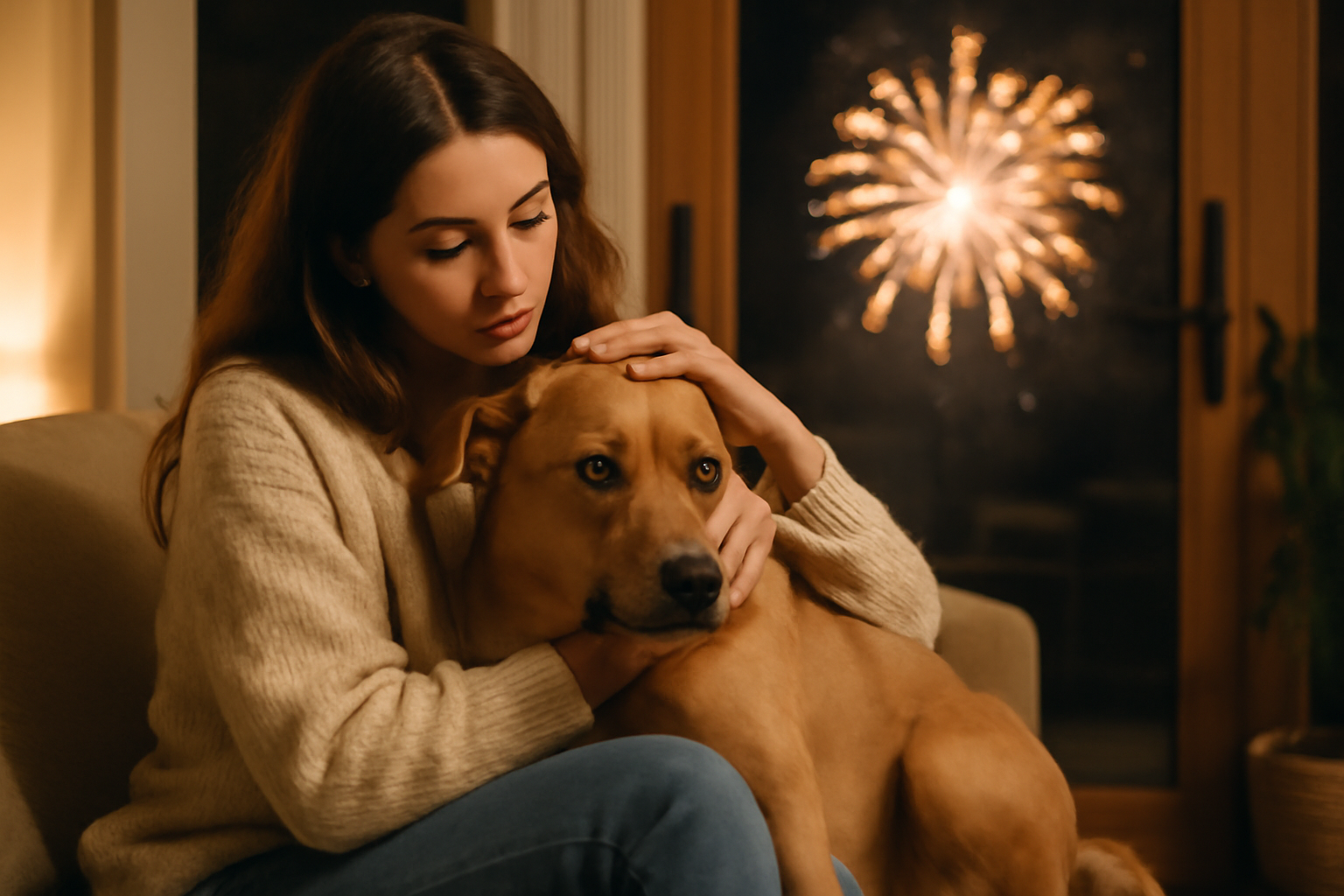
Fireworks can bring joy and celebration, but for many pets, they are a source of anxiety and distress. The loud booms, bright flashes, and sudden noises can leave our furry friends feeling scared and vulnerable. As a loving pet owner, it's essential to understand the reasons behind this anxiety and how to help your pets cope.
This guide offers insights into the symptoms of anxiety in pets during fireworks displays, the root causes of their fear, and practical solutions to ease their discomfort. Whether you're a seasoned dog parent or new to pet ownership, knowing how to create a safe environment during fireworks can make all the difference for your beloved companion.
Table of Contents
- Recognizing the Symptoms of Fireworks Anxiety
- Understanding the Root Causes of Fireworks Anxiety
- Quick Diagnosis: Is Your Pet Anxious?
- Fix It Fast: Immediate Solutions for Fireworks Anxiety
- Long-Term Strategies for Supporting Pets During Fireworks
- Creating a Calm Environment During Summer Festivities for Pets
- Conclusion: Take Action for Your Pet's Well-Being
Recognizing the Symptoms of Fireworks Anxiety
Before we delve into solutions, it's crucial to recognize the signs that your pet may be feeling anxious during fireworks. Understanding these symptoms can help you intervene effectively. By being aware of your pet's behavior during these stressful times, you can provide them with the comfort they need. Celebrating 4th of July: A Guide for Pet Parents.
Common Signs of Anxiety in Pets
- Vocalization: Excessive barking, whining, or howling can indicate distress. Pay attention to the tone and frequency; a sudden increase in vocalization may suggest your pet is feeling threatened.
- Hiding: Seeking refuge in a closet, under the bed, or in a confined space is a common reaction. Create a safe haven for your pet by designating a quiet area with their favorite blanket and toys.
- Pacing: Restlessness or inability to settle down can be a sign of anxiety. Observe if your pet is moving back and forth or circling in one spot, which can indicate they are trying to cope with their stress.
- Destructive Behavior: Chewing on furniture or scratching at doors can occur when pets are overwhelmed. If you notice signs of destruction, it's essential to intervene quickly to prevent injury or further damage.
- Excessive Grooming: Some pets may lick or chew at their paws or fur as a coping mechanism. Monitor for bald patches or irritated skin, which can result from this behavior.
Physical Symptoms to Watch For
- Shaking or Trembling: If your pet is visibly shaking, this can be a strong indicator of fear.
- Increased Heart Rate: You may notice your pet's heart racing, which can be felt by placing your hand on their chest.
- Panting: Heavy breathing or panting, even in cooler temperatures, can suggest anxiety.
- Loss of Appetite: If your pet suddenly refuses to eat or drink, it may be due to stress caused by the loud noises.
Checklist for Recognizing Anxiety Symptoms
To ensure you're accurately assessing your pet's anxiety, consider the following checklist: anxiety relief for pets.
- Monitor vocalizations-are they more frequent than usual?
- Observe hiding behavior-does your pet seek out small, enclosed spaces?
- Watch for pacing-does your pet seem restless and unable to settle?
- Check for destructive actions-has your pet damaged anything in the home?
- Look for excessive grooming-are there signs of skin irritation or bald spots?
- Assess physical symptoms-are they shaking, panting, or displaying a rapid heartbeat?
- Evaluate appetite-has there been a noticeable decrease in eating or drinking?
Common Mistakes to Avoid When Recognizing Anxiety
It's easy to misinterpret your pet's behavior during stressful situations. Here are some common mistakes to avoid:
- Ignoring Subtle Signs: Don't overlook small changes in behavior; they can be indicators of anxiety.
- Assuming All Pets React the Same: Each pet is unique. What works for one may not work for another.
- Waiting Too Long to Intervene: The sooner you recognize the signs, the sooner you can help them cope.
- Using Punishment: Punishing your pet for anxious behavior can exacerbate their fear. Instead, focus on positive reinforcement and comfort.
By familiarizing yourself with these symptoms and understanding how they manifest, you can help your pet navigate the challenges posed by fireworks. Early recognition is key to providing the support they need during these stressful times.
Understanding the Root Causes of Fireworks Anxiety
To effectively manage your pet's anxiety, it helps to understand what triggers it. Here are some common reasons why pets react negatively to fireworks.
Noise Sensitivity
Many pets have a heightened sensitivity to noise. The sudden, loud sounds of fireworks can be startling and frightening, especially for those with a history of trauma related to loud noises.
Fear of the Unknown
Pets thrive on routine and familiarity. Fireworks can disrupt their environment, introducing unfamiliar noises and smells that can cause stress. This fear of the unknown can be particularly strong in rescue pets or those who have not been adequately socialized.
Association with Negative Experiences
If a pet has previously experienced a traumatic event during fireworks, such as being left alone or encountering loud noises unexpectedly, they may associate fireworks with those negative experiences.
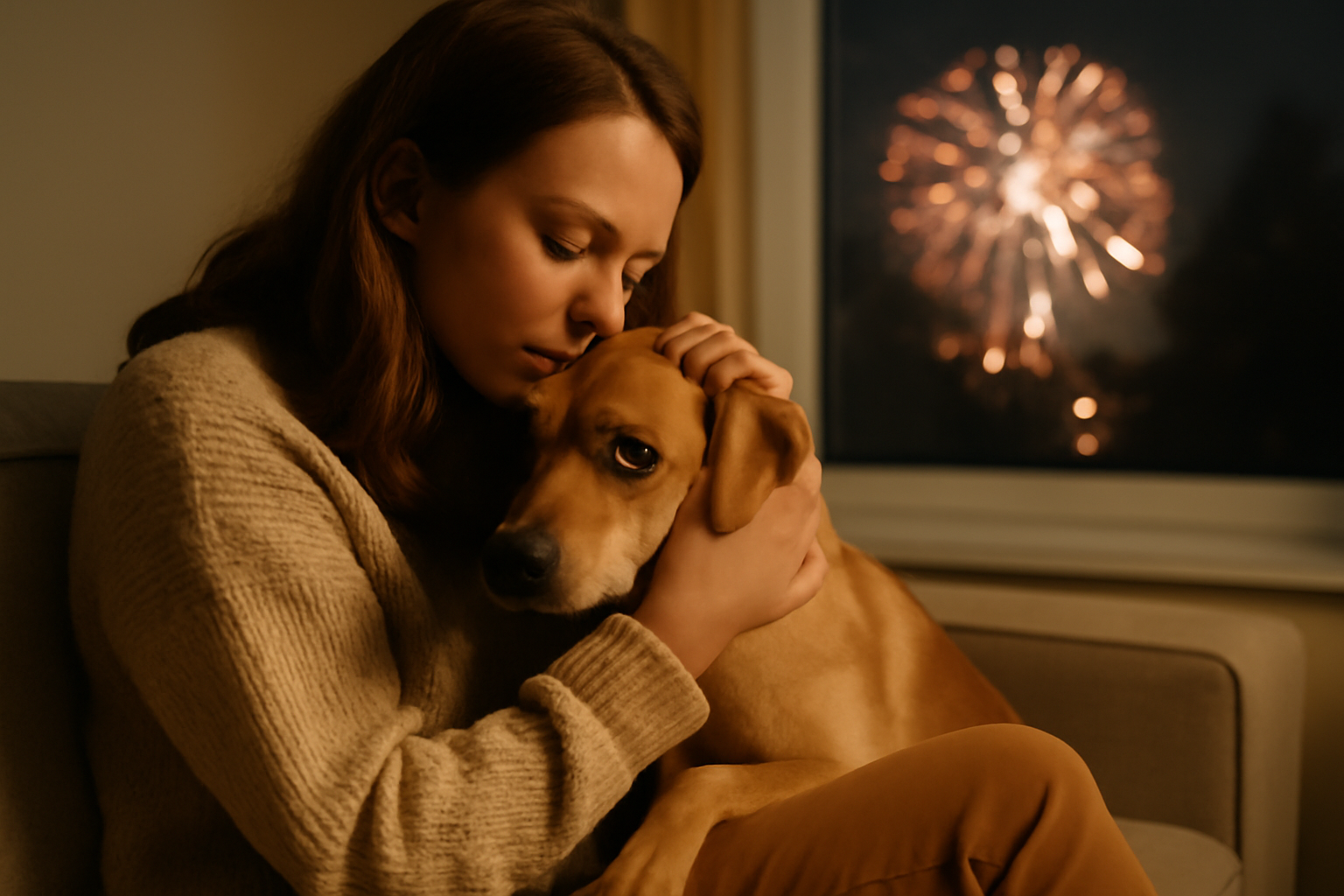
Quick Diagnosis: Is Your Pet Anxious?
Before taking steps to alleviate your pet's anxiety, it's beneficial to confirm that their behavior is indeed related to fireworks. Observe their reactions during firework displays and note any changes in behavior. If your pet exhibits several symptoms listed above exclusively during fireworks, it's likely they experience anxiety in those situations.
To help you accurately diagnose your pet's anxiety, here's a structured approach you can follow:
Step 1: Observe Behavior
During a firework display, take careful note of your pet's behavior. Common signs of anxiety include:
- Hiding or seeking refuge in a small, enclosed space
- Pacing or restlessness
- Barking, whining, or other vocalizations
- Excessive licking or grooming
- Destructive behavior, such as chewing furniture
- Loss of appetite or refusal to eat
- Shaking or trembling
Keep a journal to track these behaviors over several firework events. Note the specific symptoms, the duration of the anxiety, and any triggers that may have influenced their reaction.
Step 2: Identify Triggers
Understanding the triggers of your pet's anxiety can help you address their needs more effectively. Consider the following:
- Is your pet more anxious during certain types of fireworks (e.g., louder, brighter displays)?
- Do they respond differently to fireworks at night compared to daytime events?
- Are there specific environmental factors (e.g., crowds, other pets, unfamiliar noises) that seem to heighten their anxiety?
Document these observations alongside your behavioral notes to create a clearer picture of your pet's anxiety triggers.
Step 3: Consult with a Veterinarian
If you suspect your pet suffers from anxiety during fireworks, it's a good idea to consult with a veterinarian. They can help you rule out any underlying medical conditions that may be contributing to the anxiety. During your visit, you can discuss:
- Your observations and any patterns you've noticed
- Possible behavioral therapies or training methods
- Medication options that may help alleviate anxiety
Veterinarians can provide tailored advice based on your pet's specific needs, helping you to create a comprehensive plan for managing their anxiety.
Common Mistakes to Avoid
While diagnosing your pet's anxiety, be mindful of these common pitfalls:
- Ignoring the Signs: Don't dismiss your pet's anxiety as a phase or bad behavior. Recognizing and addressing anxiety is crucial for their well-being.
- Comparing to Other Pets: Each pet is unique. What works for one may not work for another. Focus on your pet's individual needs and symptoms.
- Delaying Action: If you notice consistent anxiety during fireworks, don't wait until the next event to seek help. Early intervention can make a significant difference in managing anxiety.
By following these steps and avoiding common mistakes, you can better understand your pet's anxiety and take appropriate measures to support them during fireworks. Remember, your observations and actions can lead to a more peaceful experience for both you and your furry friend during these loud celebrations.
Fix It Fast: Immediate Solutions for Fireworks Anxiety
When fireworks are imminent, quick actions can minimize your pet's distress. Here are some immediate strategies to consider:
Create a Safe Space
Designate a quiet area in your home where your pet feels secure. This could be a cozy nook with their favorite blanket, toys, and perhaps some calming music to drown out the noise. Ensure they have access to this space before the fireworks begin. Here are some tips to enhance this safe space:
- Location: Choose a room that is furthest away from the noise, ideally with no windows or doors leading outside. Basements or interior rooms often work best.
- Comfort Items: Include their favorite blanket, bed, or even a piece of your clothing to provide a sense of familiarity and comfort.
- Calming Sounds: Play soft music or white noise to help mask the sound of the fireworks. There are even playlists specifically designed to soothe anxious pets.
- Accessibility: Make sure the space is easily accessible, and encourage your pet to explore it before the fireworks start so they associate it with safety and comfort.
Distraction Techniques
Engage your pet with their favorite toys or activities that can distract them from the noise. Puzzle toys filled with treats or interactive games can help redirect their focus during stressful moments. Here are some effective distraction strategies:
- Interactive Toys: Use toys that require problem-solving, such as treat-dispensing balls or snuffle mats, to keep their minds occupied.
- Training Sessions: Short training sessions can serve as a great distraction. Use their favorite treats to teach simple commands or tricks.
- Playtime: Engage in a game of tug-of-war or fetch, if your pet enjoys it. Physical activity can help relieve some of their anxiety.
- Scent Games: Hide treats around the safe space and encourage your pet to sniff them out. This engages their natural instincts and keeps them occupied.
Calming Products
Consider using calming aids such as anxiety wraps, pheromone diffusers, or natural supplements designed to reduce anxiety. Consult with your veterinarian for recommendations tailored to your pet's specific needs. Here's a breakdown of some popular calming products:
- Anxiety Wraps: These snug-fitting garments apply gentle pressure, similar to swaddling a baby, which can help soothe anxious pets.
- Pheromone Diffusers: Products like Adaptil for dogs or Feliway for cats release calming pheromones that can help reduce anxiety levels in pets.
- Natural Supplements: Consider supplements with ingredients like chamomile, valerian root, or L-theanine, which are known for their calming effects. Always check with your vet before introducing new supplements.
- Calming Treats: Many brands offer soft chews or biscuits formulated with calming ingredients. These can be a tasty way to help ease anxiety.
Remember to test any new product well in advance of fireworks to gauge your pet's reaction. Each pet is unique, and what works for one may not work for another. Always prioritize your pet's comfort and well-being during these stressful times.
Long-Term Strategies for Supporting Pets During Fireworks
While immediate fixes are essential, developing long-term strategies can help reduce your pet's anxiety over time. Here are some approaches to consider:
Desensitization Training
Gradual exposure to firework sounds can help desensitize your pet. Start with recordings of fireworks at a low volume, rewarding your pet for calm behavior. Gradually increase the volume over time as they become more comfortable.
Behavioral Training
Working with a professional trainer can provide effective strategies to manage anxiety. Training sessions can teach your pet to respond positively to loud noises, gradually building their confidence.
Planning Ahead for Fireworks Preparation for Pets
As holidays such as the Fourth of July approach, plan ahead. If possible, keep your pet indoors during fireworks displays. Prepare their safe space and ensure that they are comfortable before the festivities begin. Familiarize yourself with local fireworks schedules so you can be more prepared.
Creating a Calm Environment During Summer Festivities for Pets
Fireworks are often a part of summer festivities, and creating a calm environment can greatly benefit your pet. Here are additional tips:
Soundproofing
Close windows and curtains to minimize noise and visual stimuli. Soundproofing your home can help create a quieter space for your pet during fireworks. Consider using heavy curtains or soundproofing materials to block out more sound. You can also:
- Use rugs or carpets to absorb sound.
- Seal any gaps in doors and windows to prevent noise from entering.
- Play white noise or calming music to mask the sounds of fireworks.
Stay Calm Yourself
Your demeanor can influence your pet's behavior. Remaining calm and reassuring can help your pet feel more secure. Avoid reacting to the fireworks with anxiety, as pets often pick up on their owner's emotions. Here are some practical steps to maintain your composure:
- Practice deep breathing exercises to keep your nerves in check.
- Engage in calming activities with your pet, such as gentle petting or playing with their favorite toy.
- Use a soothing voice to reassure your pet, even if they seem frightened.
Consult with Your Veterinarian
If your pet's anxiety is severe, consult with your veterinarian for advice. They may recommend medication or behavior modification techniques tailored to your pet's needs. To prepare for this conversation, consider the following:
- Keep a diary of your pet's anxiety levels during fireworks, noting specific behaviors and triggers.
- Ask about natural remedies or supplements that may help ease anxiety.
- Inquire about training techniques that can help desensitize your pet to loud noises over time.
Provide a Safe Space
Creating a designated safe space for your pet can help them feel secure during fireworks. This area should be comfortable and familiar. Here are some ideas:
- Set up a cozy bed or blanket in a quiet room away from windows and external noise.
- Include your pet's favorite toys and items that have their scent to provide comfort.
- Consider using a crate if your pet feels safe in it, as it can act as a den-like environment.
Engage in Distraction Techniques
Distraction can be an effective way to help your pet cope with the anxiety caused by fireworks. Here are some strategies:
- Offer interactive toys or puzzles that keep your pet engaged and focused on something other than the noise.
- Provide treats or chews that take time to consume, helping to redirect their attention.
- Play a game of fetch or tug-of-war to keep them active and distracted from the sounds outside.
Consider Professional Help
If your pet struggles significantly with anxiety, seeking the help of a professional dog trainer or animal behaviorist can be beneficial. They can provide personalized strategies and training to help your pet cope with fireworks and other anxiety-inducing situations. When looking for a professional, consider the following:
- Check their credentials and experience with anxiety-related issues in pets.
- Ask for references or testimonials from other pet owners.
- Inquire about their approach to training and behavior modification to ensure it aligns with your values.
Conclusion: Take Action for Your Pet's Well-Being
Understanding why pets get anxious during fireworks is the first step in helping them feel safe and secure. By recognizing symptoms and employing both immediate and long-term strategies, you can significantly reduce your pet's anxiety. As summer festivities approach, prepare your home and your pet for a more enjoyable experience. Taking proactive steps ensures that both you and your furry friend can celebrate together, even amidst the loudest of booms.
Immediate Steps to Take
When fireworks are on the horizon, it's essential to have a plan in place to help your pet cope with the noise. Here are some immediate actions you can take:
- Create a Safe Space: Designate a quiet room in your house where your pet can feel secure. Fill it with their favorite toys, blankets, and a comfortable bed. This space should be away from windows and doors to minimize noise exposure.
- Use Calming Aids: Consider using calming products such as anxiety wraps, pheromone diffusers, or calming sprays. These can help soothe your pet during stressful times.
- Stay Calm Yourself: Pets often pick up on their owners' emotions. By remaining calm and relaxed, you can help your pet feel more at ease.
- Distraction Techniques: Engage your pet in activities they enjoy, such as playing with toys or practicing tricks. This can help divert their attention from the noise outside.
Long-Term Strategies for Reducing Anxiety
In addition to immediate measures, consider implementing long-term strategies to help your pet manage anxiety during fireworks and other loud events:
- Desensitization Training: Gradually expose your pet to recorded sounds of fireworks at a low volume, rewarding them for remaining calm. Slowly increase the volume over time to help them acclimate.
- Regular Exercise: Keeping your pet physically active can help reduce overall anxiety levels. Regular walks, playtime, and mental stimulation can make a significant difference in their mood.
- Consult a Veterinarian: If your pet's anxiety is severe, it may be beneficial to speak with a veterinarian. They can recommend behavioral therapies or medications that could help.
- Routine and Structure: Establishing a consistent daily routine can provide your pet with a sense of stability, which can be comforting during stressful times.
Checklist for Fireworks Preparedness
To ensure you're fully prepared for fireworks season, consider the following checklist:
- Designate a safe space for your pet.
- Gather calming aids and supplies.
- Plan distraction activities for your pet.
- Schedule desensitization sessions leading up to the event.
- Consult with your veterinarian if needed.
- Create a comfortable environment with dim lighting and soothing sounds.
Common Mistakes to Avoid
While preparing for fireworks, be mindful of these common mistakes that could inadvertently increase your pet's anxiety:
- Ignoring Signs of Stress: If your pet is showing signs of anxiety, such as panting, hiding, or barking, take action instead of dismissing their behavior.
- Forcing Exposure: Never force your pet to confront their fear. Instead, allow them to retreat to their safe space without pressure.
- Neglecting to Plan Ahead: Don't wait until the last minute to prepare. Start planning well before fireworks are scheduled to ensure you have everything in place.
By taking these steps and being proactive, you can help ensure that your furry friend feels safe and secure during fireworks. Remember, their well-being is a priority, and with the right strategies in place, you can create a more enjoyable experience for both of you.


