

Avoiding Common Mistakes Pet Parents Make on July 4th
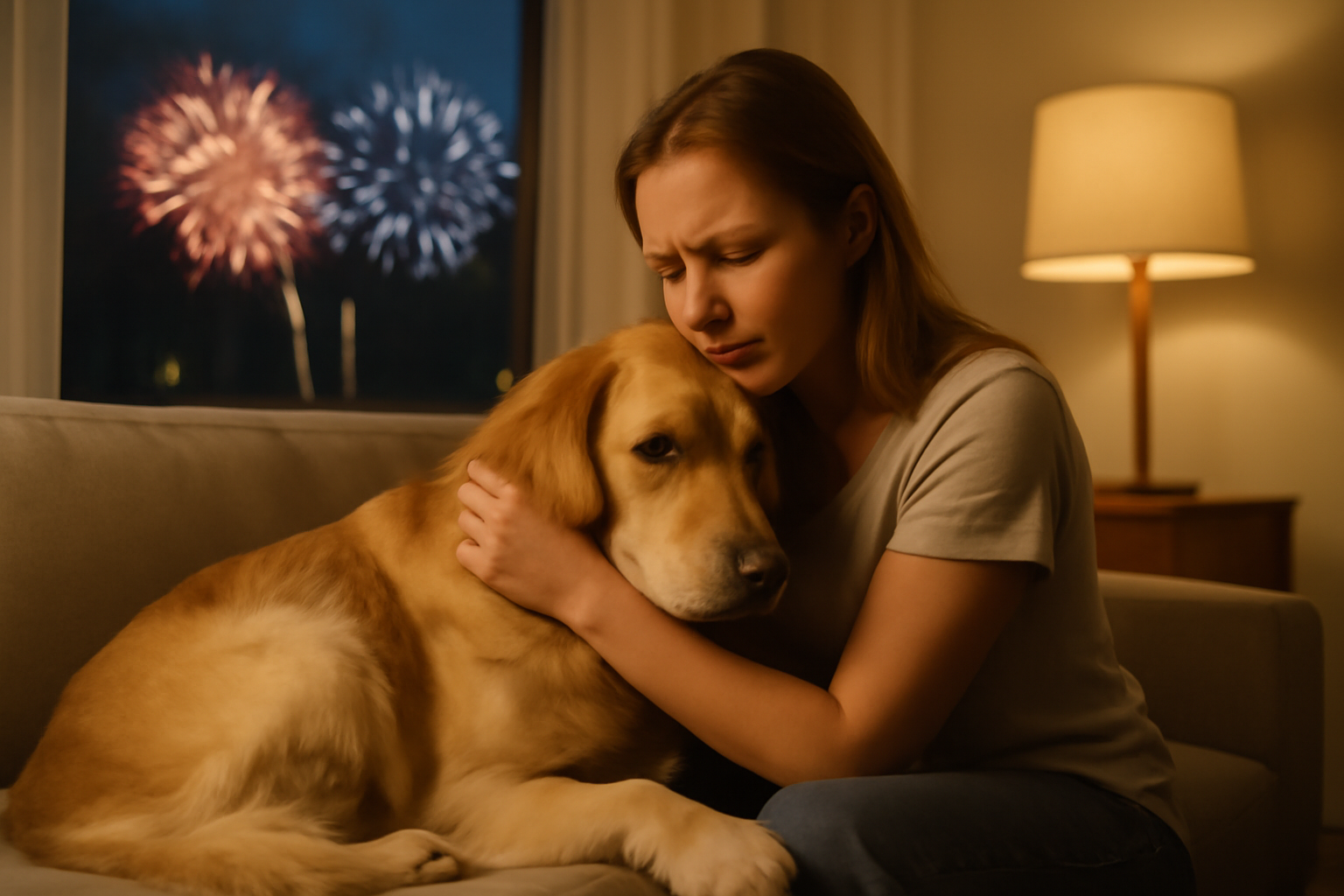
July 4th is a time of celebration, but it can also be a challenging day for our furry friends. The loud explosions and chaotic atmosphere can lead to stress and anxiety for pets. As loving pet parents, it's essential to be aware of the common mistakes that can exacerbate their discomfort during this festive occasion.
In this guide, we'll explore the typical pitfalls pet parents encounter on July 4th and provide actionable solutions to ensure your pets remain safe and happy amidst the summer festivities for pets. Let's dive in and make this holiday enjoyable for both you and your beloved companions!
Table of Contents
Understanding the Challenges: Why July 4th is Stressful for Pets
The loud noises, bright lights, and crowds can be overwhelming for many pets. Understanding the root causes of their anxiety can help you mitigate their stress levels effectively. Celebrating 4th of July: A Guide for Pet Parents.
Loud Noises
Fireworks are the most significant source of noise on July 4th. Many pets have heightened sensitivity to loud sounds, which can cause them to panic. It's essential to recognize that this fear isn't just a minor annoyance; it can lead to severe anxiety, resulting in behaviors like hiding, barking excessively, or even attempting to escape. Here are some practical steps to help your pet cope: calm pets during celebrations.
- Desensitization: Start playing recordings of fireworks at a low volume weeks before the holiday, gradually increasing the volume as your pet becomes more comfortable.
- Safe Space: Create a cozy, quiet area in your home where your pet can retreat during the noise. Include their favorite blanket and toys to make it feel secure.
- Calming Products: Consider using anxiety wraps, pheromone diffusers, or calming treats specifically designed for pets to help ease their stress.
Remember, each pet is unique, so what works for one may not work for another. Monitor your pet's reactions and adjust your approach accordingly.
Unpredictable Environment
The sudden bursts of noise and light can create an unpredictable environment for pets, causing anxiety and confusion. This can lead to destructive behaviors or attempts to escape. To minimize these risks, consider the following:
- Keep Pets Indoors: On July 4th, keep your pets indoors, especially during peak fireworks times. Close windows and doors to reduce noise and prevent them from seeing the flashes of light.
- Distraction Techniques: Engage your pets with their favorite toys or treat-dispensing puzzles to keep their minds occupied and distracted from the chaos outside.
- Routine Maintenance: Stick to their regular feeding and walking schedule as much as possible. Familiar routines can provide comfort amidst the unpredictability.
Be aware of your pet's body language. Signs of stress can include pacing, whining, or hiding. Address these behaviors with patience and understanding.
Social Interactions
Gatherings with friends and family can be overwhelming for pets, especially if they are not used to being around large groups. New people and unfamiliar smells can add to their stress. Here are some strategies to help your pet navigate social interactions better:
- Introduce Gradually: If you plan to have guests over, introduce your pet to new people slowly. Allow them to approach at their own pace rather than forcing interactions.
- Designate a Quiet Zone: Create a separate space for your pet away from the hustle and bustle of the gathering. This should be a calm area where they can feel safe and secure.
- Monitor Interactions: Keep an eye on your pet's behavior during the gathering. If they seem stressed or overwhelmed, gently guide them back to their quiet zone.
Remember to educate your guests about your pet's needs. Encourage them to respect your pet's space and avoid overwhelming them with attention.
Common Mistakes Pet Parents Make on July 4th
Being informed about the common mistakes can help you prepare better and avoid unnecessary stress for your pets.
Neglecting Pet Safety During Fireworks
One of the most significant mistakes is not taking precautions for pet safety during fireworks. Many pets get scared and may run away in search of safety. To prevent this, consider the following steps:
- Keep Pets Indoors: Make sure your pets are safely indoors during fireworks displays. Close all windows and doors to minimize noise and prevent escape.
- Use Anxiety Aids: Consider using anxiety wraps or calming pheromone diffusers to help soothe your pet. These can provide comfort and reduce stress levels.
- Identification: Ensure your pets are wearing proper identification, such as a collar with tags and a microchip, in case they do escape.
Forgetting to Create a Safe Space
Failing to provide a safe and quiet space for your pets can exacerbate their anxiety. Many pet parents overlook the importance of having a designated area for their pets to retreat to when the noise begins. Here are some tips to create an ideal safe space:
- Choose the Right Location: Select a room that is away from the noise, preferably a room with no windows or minimal exposure to outside sounds.
- Comfort Items: Include your pet's favorite blanket, toys, or even an item of your clothing to provide comfort.
- Calming Music: Play soft music or white noise to help drown out the sounds of fireworks, creating a more relaxing environment.
Ignoring Behavior Signs
Ignoring your pet's signs of distress, such as trembling or hiding, can lead to a worsening of their anxiety. It's crucial to recognize these symptoms early. Here are some common signs to watch for:
- Trembling: Shaking or shivering can indicate fear. If your pet is trembling, it's a sign they need reassurance.
- Hiding: If your pet seeks out small, enclosed spaces, they are likely trying to escape the noise. Provide access to these safe spots.
- Excessive Barking or Whining: Vocalizations can be a call for help. Respond with calmness and try to comfort them.
- Destructive Behavior: Some pets may chew or scratch at doors or furniture out of anxiety. Redirect their energy with toys or calming activities.
Overexposing Pets to Festivities
Taking pets to crowded events, parades, or firework displays can be overwhelming. Many pet parents underestimate how such environments can affect their pets. To ensure your pet's comfort during the festivities, consider these guidelines:
- Assess Their Temperament: Not all pets are suited for large crowds. If your pet is shy or anxious, it's best to leave them at home.
- Short Outings: If you do choose to take your pet, keep outings short and monitor their stress levels closely.
- Bring Supplies: Always carry water, treats, and a favorite toy to help keep your pet calm and hydrated.
- Know When to Leave: If your pet shows signs of distress, don't hesitate to leave the event early. Their comfort should always come first.
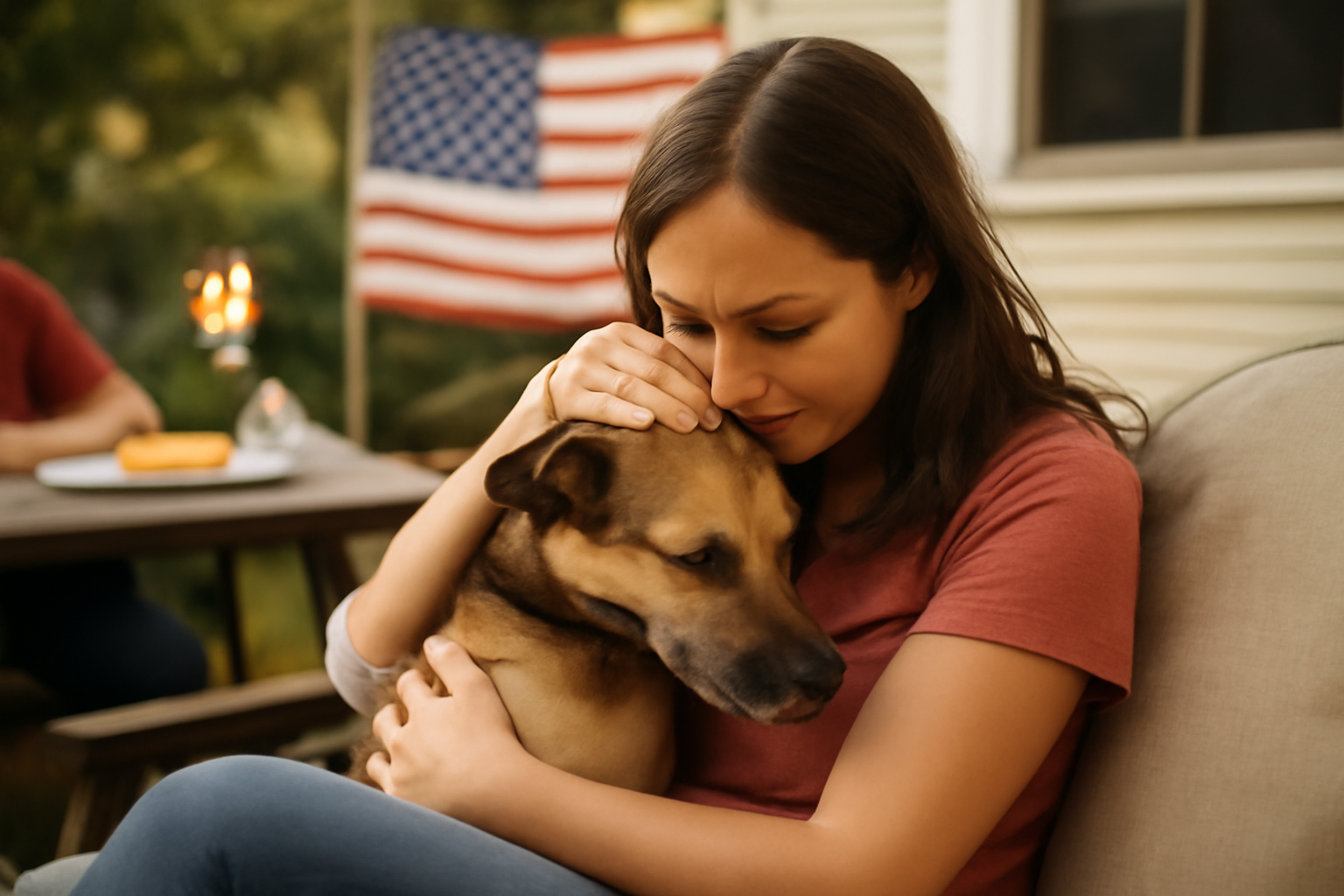
Quick Diagnosis: Is Your Pet Stressed?
Recognizing the symptoms of stress in pets is key to responding appropriately. Here's a quick checklist to help you identify if your pet is feeling anxious:
- Excessive barking or whining
- Trembling or shaking
- Hiding or seeking isolation
- Pacing or restlessness
- Refusal to eat or drink
In addition to this checklist, it's important to observe your pet's behavior in different situations, especially around loud noises like fireworks. Here's how you can conduct a quick diagnosis:
Behavioral Observations
Take note of your pet's behavior during the days leading up to July 4th. Are they more skittish than usual? Do they react to sudden noises or movements? Keeping a journal can help you track these behaviors over time. Here are some specific behaviors to monitor:
- Body Language: Look for signs such as flattened ears, tucked tails, or wide eyes. These can indicate fear or anxiety.
- Vocalizations: Pay attention to changes in your pet's vocal patterns. Increased barking or whining can be a clear signal of stress.
- Physical Reactions: Observe if your pet is trembling, drooling, or has a rapid heartbeat. These physical symptoms often accompany emotional distress.
Environmental Changes
Consider any recent changes in your pet's environment that might contribute to their stress. This could include new furniture, different people in the home, or even changes in your routine. Here are some things to consider:
- New Neighbors: If there are new neighbors who might have loud parties or pets, this could lead to increased anxiety for your pet.
- Travel: If you've recently traveled or moved, your pet might be feeling unsettled due to the change in their surroundings.
- Routine Disruptions: Pets thrive on routine. Any changes to feeding, walking, or playtimes can lead to anxiety, especially during a holiday like the Fourth of July.
Common Mistakes to Avoid
When diagnosing stress in your pet, it's easy to make some common mistakes. Here are a few to watch out for:
- Ignoring Subtle Signs: Sometimes pets show minor signs of stress that can be easily overlooked. Don't wait for a major reaction to take action.
- Comparing to Other Pets: Every pet is different. Just because your friend's dog handles fireworks well doesn't mean yours will.
- Assuming It's Just a Phase: If your pet is showing signs of stress, it's crucial to address it rather than dismiss it as a temporary issue. Prolonged stress can lead to more serious behavioral problems.
By being vigilant and proactive in observing your pet's behavior, you can better understand their stress levels and take steps to ensure they feel safe and secure, especially during loud and chaotic events like July 4th celebrations.
Fix It Fast: Immediate Solutions for a Stress-Free July 4th
Now that we've identified the potential pitfalls, here are practical solutions to keep your pet calm and safe during the celebrations.
Create a Safe Haven
Designate a quiet room in your home where your pets can feel secure. Make this space cozy with their favorite blankets, toys, and some calming music or white noise to drown out the sounds of fireworks. Ensure this haven is away from windows to minimize visual stimuli, and consider using blackout curtains if needed. You might also want to add a few of your pet's favorite items, such as a worn t-shirt or a piece of your clothing, to provide extra comfort.
Checklist for creating a safe haven:
- Choose a room away from noise and distractions.
- Include their favorite blankets and toys.
- Play calming music or white noise at a low volume.
- Ensure the space is well-ventilated and comfortable.
- Keep the door closed to prevent escape or unwanted visitors.
Use Calming Products
Consider using calming collars, sprays, or supplements that can help soothe your pet's anxiety. These products often contain natural ingredients like chamomile, lavender, or pheromones that promote relaxation. Consult your veterinarian for recommendations tailored to your pet's needs, as they can suggest specific brands or formulations based on your pet's size, breed, and health status.
Examples of calming products to explore:
- Calming collars that release soothing pheromones.
- Herbal supplements designed for anxiety relief.
- Calming sprays that can be applied to bedding or in their safe space.
- Thundershirts or anxiety wraps that provide gentle pressure to help calm nerves.
Practice Desensitization
In the weeks leading up to July 4th, play recordings of fireworks at a low volume to help your pets get used to the sound. Pair this with treats and praise to create a positive association. Start with short sessions, gradually increasing the volume as your pet becomes more comfortable. This method can significantly reduce anxiety when the real fireworks begin.
Steps for effective desensitization:
- Find a recording of fireworks sounds online or use a sound machine.
- Play the recording at a very low volume while engaging your pet in a fun activity, like playing with their favorite toy.
- Gradually increase the volume over several sessions, ensuring your pet remains relaxed.
- Always reward your pet with treats and praise during and after the sessions to reinforce positive behavior.
Stay Home with Your Pets
If possible, spend the evening of July 4th at home with your pets. Your presence can provide comfort and reassurance during this time of stress. If you must leave them alone, ensure they are in their safe haven and consider leaving a piece of your clothing with them. This can help them feel more connected to you while you're away.
Additional tips for being home with your pets:
- Engage in calming activities, such as gentle petting or brushing, to help soothe their nerves.
- Prepare some interactive toys or puzzle feeders to keep them occupied and distracted.
- Keep the lights dim and the atmosphere relaxed to create a soothing environment.
By implementing these strategies, you can help ensure that both you and your pets enjoy a peaceful and safe July 4th celebration, free from unnecessary stress and anxiety.
Planning Ahead: Preparing for Future Celebrations
Preparation is key to avoiding common mistakes in future July 4th celebrations. Here are some proactive steps you can take:
Educate Yourself on Pet Behavior
Learn more about your pet's specific behaviors and triggers. Understanding their personality will enable you to tailor your approach to their needs during stressful situations. For example, if your dog tends to hide during loud noises, you might want to create a cozy den-like space for them with their favorite blanket and toys. Observe your pet's reactions to different stimuli throughout the year, not just on holidays, to get a clearer picture of what causes them stress.
Consider keeping a journal of your pet's behavior leading up to July 4th. Note any changes in their routine, eating habits, or social interactions. This information can help you identify patterns and adjust your preparations accordingly.
Develop a July 4th Plan
Create a comprehensive plan for how you will handle the day. This includes arranging for a safe space, having calming products on hand, and knowing where your pets will be during the fireworks. Here are some steps to consider:
- Designate a Safe Space: Choose a quiet room in your home where your pets can feel secure. Make sure this area is free from windows and outside noise. Equip it with their favorite bed, toys, and a familiar blanket.
- Calming Products: Stock up on calming products such as anxiety wraps, pheromone diffusers, or calming treats. Test these products with your pet in advance to see which ones work best.
- Routine Check: Maintain your pet's regular routine as much as possible. Feed them at the usual times and take them for walks earlier in the day to avoid the noise later on.
- Emergency Contacts: Have a list of emergency contacts, including your veterinarian and a pet-friendly hotel, in case you need to leave home unexpectedly.
Consider Alternative Celebrations
Explore quieter activities or events that are pet-friendly. Many communities offer fireworks displays that are less intense or designated pet-friendly areas where you can enjoy the holiday without overwhelming your pets. Here are some ideas:
- Attend Pet-Friendly Events: Look for local events that welcome pets, such as parades or festivals that feature live music rather than fireworks. These can provide a festive atmosphere without the stress.
- Host a Backyard Gathering: If you have friends or family who are also pet owners, consider hosting a small get-together at your home. Make it a fun, dog-friendly barbecue with games and treats for both pets and humans.
- Engage in Outdoor Activities: Plan a day outdoors with your pet, perhaps a hike or a trip to a dog park where you can enjoy the day without the chaos of fireworks. Bring along some toys and treats to make it special.
By planning ahead and considering your pet's needs, you can create a July 4th celebration that is enjoyable for both you and your furry family members. Remember, the goal is to keep your pets safe, calm, and happy while still enjoying the festivities of the holiday.
Conclusion: One Actionable Next Step
As the July 4th celebrations approach, take the time to assess your pet's needs and prepare accordingly. Create a calm environment, use soothing products, and educate yourself on your pet's behavior. With these strategies, you can ensure your furry friends remain happy pets on holidays, allowing you to enjoy the festivities together!
Steps to Create a Calm Environment
To effectively prepare your home for July 4th, consider the following steps:
- Designate a Safe Space: Choose a quiet room in your home where your pet can retreat during the fireworks. This space should be away from windows and doors to minimize noise and visual stimuli.
- Comfort Items: Place your pet's favorite blanket, toys, or bed in their designated safe space. Familiar scents can provide comfort and help alleviate anxiety.
- Soundproofing: Use heavy curtains or blankets to dampen sound. You can also play calming music or white noise to mask the sounds of fireworks.
- Temperature Control: Ensure the room is cool and comfortable. Pets can become restless in hot environments, so consider using a fan or air conditioning.
Using Soothing Products
In addition to creating a calm environment, consider these soothing products:
- Calming Treats: Look for treats infused with natural calming ingredients such as chamomile or valerian root. Administer these treats before the festivities begin to help ease anxiety.
- Thundershirts: These snug-fitting garments apply gentle pressure to your pet's body, mimicking the sensation of being held. Thundershirts can be particularly effective for dogs who experience anxiety during fireworks.
- Aromatherapy: Use pet-safe essential oils or diffusers with calming scents like lavender. Make sure to consult with your veterinarian before introducing any new products to ensure they are safe for your pet.
Educating Yourself on Pet Behavior
Understanding how your pet reacts to loud noises can help you respond appropriately. Here are some common behaviors to watch for:
- Hiding: Many pets will seek out a hiding place when they feel scared. If your pet does this, allow them to stay in their safe space without forcing them out.
- Pacing or Restlessness: If your pet is pacing or unable to settle down, it may be a sign of anxiety. Provide reassurance through gentle petting or soothing words.
- Barking or Whining: Excessive vocalization can indicate distress. If your pet is vocalizing, try to redirect their attention with toys or games.
Checklist for a Happy July 4th
To ensure you don't overlook any important preparations, here's a handy checklist:
- Designate a safe space for your pet.
- Gather comfort items (toys, blankets, etc.).
- Purchase calming treats or products.
- Prepare soundproofing materials (curtains, blankets).
- Set up a calming environment with music or white noise.
- Consult your veterinarian about any new products.
- Monitor your pet's behavior and respond with care.
By taking these actionable steps, you can help your pet navigate the noise and excitement of July 4th with ease. Remember, a little preparation goes a long way in ensuring a happy holiday for both you and your furry friend!


