

How to Prepare Your Pets for Fireworks: A Step-by-Step Guide
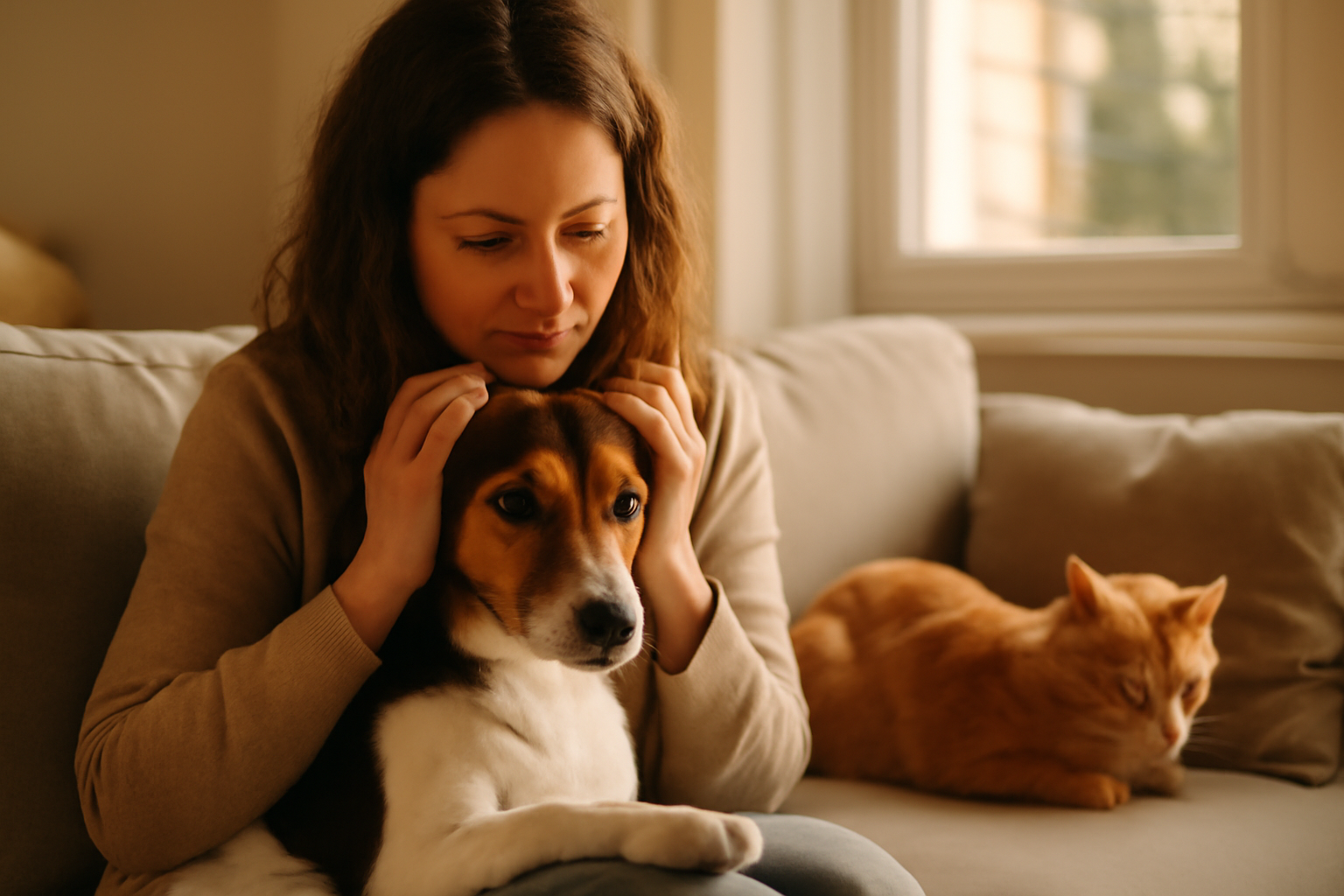
Fireworks can be a source of joy for many, but for our furry friends, they often bring anxiety and fear. As fireworks season approaches, it's crucial to prepare your pets to ensure their comfort and safety. This guide will walk you through effective strategies to keep your pets calm during those loud summer nights.
With some thoughtful planning, you can create a peaceful environment for your pets, helping them navigate the noise of fireworks without undue stress. Let's dive into the steps you need to take to ensure pet safety during fireworks. celebrating holidays with pets.
Table of Contents
Step 1: Create a Safe Space
One of the first things you should do is designate a safe space for your pets. This area should be a calm and quiet environment where they can retreat when the fireworks start. Celebrating 4th of July: A Guide for Pet Parents.
Choosing the Right Spot
- Find a room that is away from windows and doors to minimize noise and visual stimuli.
- Make it cozy with their favorite bedding, toys, and maybe a piece of your clothing for comfort.
- Ensure the space is well-ventilated and has access to fresh water.
Step 2: Use Calming Products
There are various calming products available that can help ease your pet's anxiety during fireworks. Consider incorporating some of these into your preparation.
Calming Aids
- **Thundershirts**: These pressure wraps can help reduce anxiety by providing gentle, constant pressure.
- **Calming Treats**: Look for treats containing natural calming ingredients like chamomile or valerian root.
- **Feliway or Adaptil Diffusers**: These releases calming pheromones that can help soothe your pet.
Step 3: Training and Desensitization
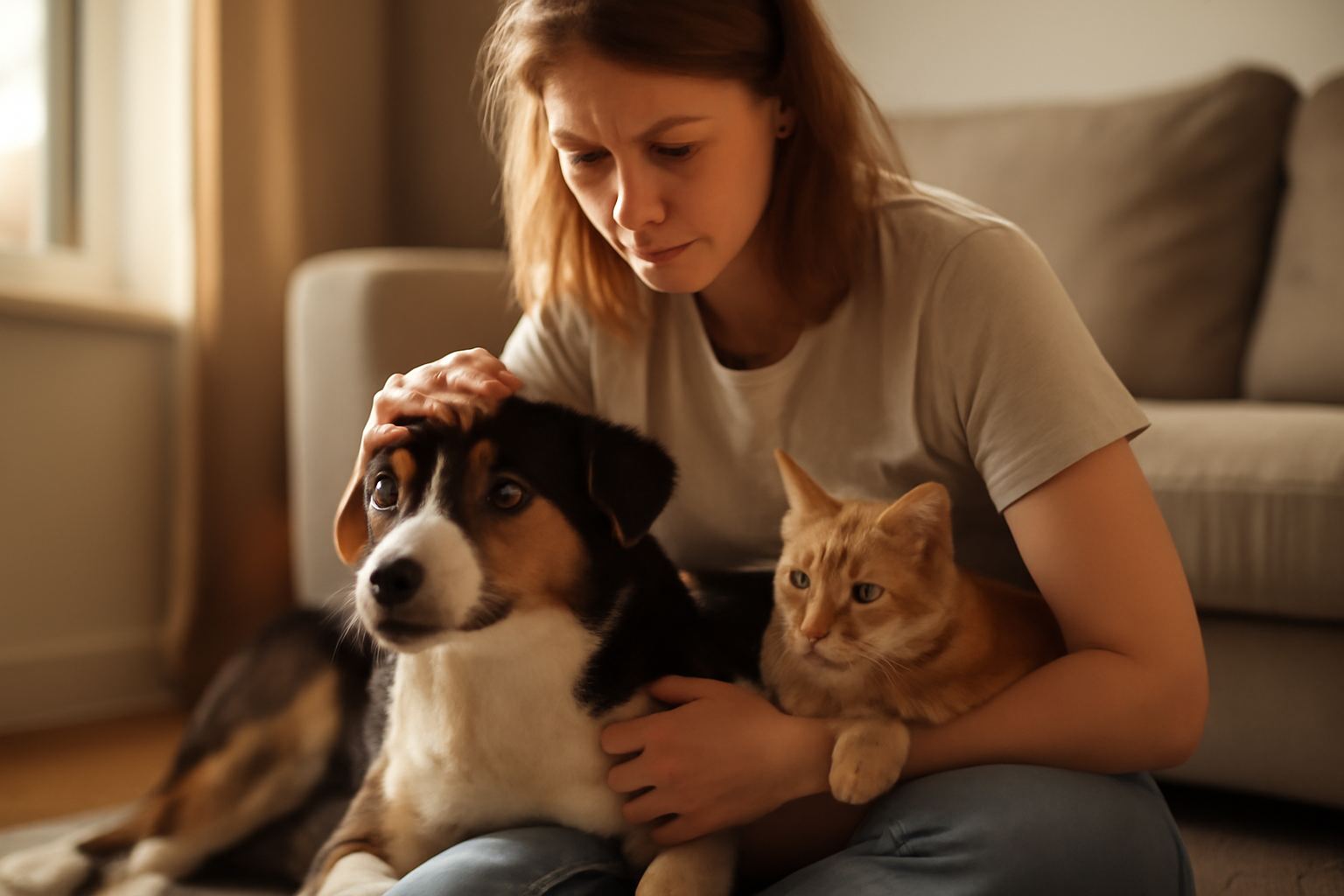
Training your pet to cope with loud noises can be beneficial. While this method requires time and patience, it can significantly help in the long run. Building your pet's confidence through training can make them feel more secure and less anxious during fireworks. Here's how to effectively implement training and desensitization techniques.
Sound Desensitization
- Start by exposing your pet to recorded fireworks sounds at a low volume. Find a quiet space where your pet feels safe and comfortable, such as their bed or a cozy corner.
- Gradually increase the volume while rewarding your pet for calm behavior. Use treats, praise, or their favorite toy as a reward. This positive reinforcement helps them associate the sounds with good experiences.
- Practice this regularly, especially leading up to fireworks events. Aim for short sessions of about 5-10 minutes each day, increasing the duration as your pet becomes more accustomed to the sounds.
Creating a Safe Space
In addition to sound desensitization, creating a safe and comfortable environment for your pet during fireworks is crucial. Here are some steps to ensure they feel secure:
- Designate a specific area in your home where your pet can retreat during fireworks. This could be a quiet room with their favorite blanket, toys, and water.
- Consider using a crate if your pet is crate-trained. Make it cozy with bedding and familiar scents to help them feel safe.
- Block out noise by closing windows and curtains, and consider using white noise machines or calming music to mask the sound of fireworks.
Behavioral Training Techniques
Incorporating behavioral training techniques can further assist in desensitizing your pet to loud noises. Here are some effective methods:
- Counter-conditioning: This involves changing your pet's emotional response to loud noises. Pair the sound of fireworks with something they love, such as treats or playtime, to create a positive association.
- Desensitization through distraction: Train your pet to focus on commands or tricks when they hear loud noises. This can redirect their attention and help them remain calm.
- Gradual exposure to other loud noises: Expose your pet to other loud sounds, such as thunder or vacuum cleaners, in a controlled manner. This can help them become more adaptable to various noises.
Common Mistakes to Avoid
While training and desensitization can be effective, there are common pitfalls to watch out for:
- Avoid exposing your pet to loud sounds at a volume that causes distress. This can lead to increased anxiety rather than desensitization.
- Don't rush the process. Each pet is different and may require varying amounts of time to adjust. Be patient and consistent in your training efforts.
- Neglecting to reward positive behavior can hinder progress. Always reinforce calmness and bravery with treats or affection.
By integrating these training and desensitization techniques, you can help your pet feel more secure and less anxious during fireworks, making the experience more enjoyable for both of you. Remember, the goal is to build a positive association with the sounds, so stay patient and keep the sessions fun!
Step 4: Plan for the Day
On the day of the fireworks, have a clear plan in place to ensure your pet's well-being. Fireworks can be a source of anxiety for many pets, so preparation is key to minimizing their stress and keeping them safe.
Day-Of Checklist
- Ensure your pet has identification tags on their collar in case they get scared and run away.
- Keep windows and doors securely closed to prevent escapes.
- Engage in play or a long walk earlier in the day to help expend some energy.
- Set up a safe space in your home where your pet can feel secure. This could be a cozy corner with their favorite blanket, toys, and perhaps an item of your clothing to provide comfort.
- Consider using calming aids, such as pheromone diffusers or anxiety wraps, to help soothe your pet during the fireworks.
- Prepare a distraction kit with toys, treats, and a puzzle feeder to keep your pet occupied during the noise.
- Have a plan for how you will comfort your pet if they become anxious. This might include sitting with them, speaking softly, or using calming music to drown out the sounds of fireworks.
- Monitor the weather and stay indoors if it's particularly hot or stormy, as this can add to your pet's stress levels.
- Keep a close eye on your pet's behavior throughout the evening. If they show signs of extreme anxiety, such as panting, shaking, or hiding, be ready to intervene with comfort and reassurance.
- Have a first-aid kit on hand, just in case your pet gets injured while trying to escape or if they have an anxiety-related incident.
Common Mistakes to Avoid
- Don't assume your pet will be fine on their own. Even pets that are usually calm can react unpredictably to fireworks.
- Avoid taking your pet to watch the fireworks. The loud noises and crowds can be overwhelming and frightening for them.
- Don't forget to turn on the TV or play music to help mask the sound of the fireworks.
- Refrain from scolding your pet for being scared. Instead, offer comfort and understanding to help them feel safe.
- Don't wait until the last minute to prepare. Start your preparations well in advance to ensure you have everything you need.
With a well-thought-out plan in place, you can help your furry friend navigate the fireworks season with greater ease and comfort. Remember, your pet relies on you for reassurance and safety during these loud celebrations!
Step 5: Distract and Comfort
During the fireworks, distractions and comfort can go a long way in helping your pets feel secure. Creating a calming environment can significantly alleviate their anxiety and make the experience more manageable.
Engagement Strategies
- Use toys or puzzles to keep their minds occupied. Consider interactive toys that dispense treats or require problem-solving, as these can effectively engage their attention and provide a fun distraction. You might also want to introduce a new toy specifically for this occasion to pique their interest.
- Play soft music or turn on the television to drown out the noise of fireworks. Choose soothing music or nature sounds that can help mask the loud booms. There are even playlists designed specifically for pets that you can find online. The goal is to create a serene atmosphere that diverts their focus away from the fireworks.
- Stay close by to offer comfort and reassurance, especially if your pet shows signs of distress. Your presence can be incredibly soothing. Engage in gentle petting or cuddling, and speak to them in a calm, soothing voice. If your pet enjoys being in a specific spot, such as a favorite bed or blanket, encourage them to settle there with you.
Creating a Safe Space
Designating a safe space in your home can provide your pet with a retreat during the fireworks. Here are some tips:
- Choose a quiet room away from windows and doors where the noise is less intense.
- Line the area with their favorite blankets and toys to make it feel cozy and familiar.
- Consider using a crate if your pet is crate-trained, as this can provide a secure den-like environment.
- Close curtains or blinds to muffle the sound and reduce visual stimuli from the fireworks.
Common Mistakes to Avoid
It's important to be aware of common pitfalls when trying to comfort your pet during fireworks:
- Don't punish your pet for their fearful behavior. This can increase anxiety and damage the trust between you and your pet.
- Avoid leaving your pet alone during fireworks. Your presence is crucial for their comfort and security.
- Don't wait until the last minute to prepare. Start implementing these strategies well in advance of firework events to help your pet acclimate.
- Don't assume all pets will react the same way. Each pet has unique needs, so observe their behavior and adjust your approach accordingly.
Additional Comfort Aids
In addition to engaging distractions, consider these comfort aids:
- Thundershirts or anxiety wraps can provide a sense of security through gentle pressure.
- Calming sprays or diffusers that contain pheromones can help create a tranquil environment.
- Consult your veterinarian about natural supplements or medications that may help reduce anxiety during stressful events.
By thoughtfully preparing your pet with distractions and comfort strategies, you can help them navigate the chaos of fireworks with more ease and less fear. Remember, the goal is to create a soothing atmosphere that allows your furry friend to feel safe and loved amidst the noise.
Step 6: Monitor Your Pet's Behavior
Keep a close eye on your pet's behavior during the fireworks to understand how they are coping. This can help you adjust your strategies for future events. Being observant is key to ensuring your pet's comfort and safety during this stressful time.
Signs of Stress
- Hiding or seeking shelter
- Excessive barking or whining
- Destructive behavior or attempts to escape
What to Observe
During fireworks, it's essential to monitor not just overt signs of distress but also subtle changes in your pet's behavior. Here are some specific behaviors to watch for:
- Body Language: Look for signs such as a lowered head, tucked tail, or flattened ears. These can indicate fear or anxiety.
- Physical Reactions: Keep an eye out for excessive panting, drooling, or pacing, which can suggest your pet is feeling overwhelmed.
- Vocalizations: Besides barking or whining, listen for other sounds like growling or whimpering. These may indicate distress.
How to Respond
If you notice signs of stress, here are some immediate actions you can take:
- Provide Comfort: If your pet is seeking closeness, offer comfort by petting them or holding them in your lap. Your presence can be very reassuring.
- Redirect Attention: Engage your pet with their favorite toys or treats to distract them from the noise. Puzzle toys or chew items can be particularly effective.
- Use Calming Aids: If you've prepared calming aids like anxiety wraps or pheromone diffusers, now is the time to implement them. These can help soothe your pet's nerves.
Post-Fireworks Reflection
After the fireworks have ended, take some time to reflect on your pet's behavior. Here are a few steps to help you gather insights for the next event:
- Document Reactions: Write down the signs of stress your pet exhibited and any effective strategies you used to help them cope. This record will be invaluable for future reference.
- Evaluate Your Strategies: Consider what worked and what didn't. Did your pet respond well to calming music? Was their safe space effective? Adjust your approach based on these observations.
- Consult with a Professional: If your pet's anxiety appears severe or if you're unsure how to help them, consider reaching out to a veterinarian or a pet behaviorist for tailored advice.
Remember, every pet is unique, and understanding their individual responses to fireworks will help you create a more effective strategy for future events. The goal is to create a safe and comforting environment that minimizes their stress and keeps them calm during loud celebrations.
Common Mistakes to Avoid
While preparing your pets for fireworks, it's essential to avoid certain common mistakes that can exacerbate their anxiety.
- **Ignoring their anxiety**: Dismissing your pet's fear can lead to worsening behavior. Acknowledge their feelings and provide support.
- **Prolonged exposure**: Don't leave your pet alone during fireworks if they are anxious. Your presence can provide comfort.
- **Inconsistent training**: Be consistent with your desensitization efforts. Inconsistency can confuse your pet.
Checklist for Fireworks Preparation
To simplify your preparation, here's a quick checklist to ensure you're ready for fireworks events:
- Create a safe space
- Gather calming products
- Practice sound desensitization
- Implement a plan for the day
- Prepare distractions and comfort items
- Monitor your pet's response during fireworks
Create a Safe Space
Designating a safe space for your pet is crucial in keeping them calm during fireworks. Choose a quiet room away from windows and doors where the sounds and lights of fireworks are less intense. Make this space inviting by adding their bed, favorite blankets, and toys. Consider using a crate if your pet finds it comforting, as it can provide a den-like environment. Ensure that the area is well-ventilated and has access to fresh water.
Gather Calming Products
Before the fireworks start, gather any calming products you may need. This can include:
- Calming collars: These collars release soothing pheromones that can help reduce anxiety.
- Thundershirts: This snug-fitting garment applies gentle pressure to your pet's body, which can have a calming effect.
- Herbal remedies: Products containing natural ingredients like chamomile or valerian root can help soothe anxious pets.
- Prescription medications: If your pet has severe anxiety, consult your veterinarian about possible medications to help them through the event.
Practice Sound Desensitization
Sound desensitization can help your pet become accustomed to loud noises. Start by playing recordings of fireworks or thunderstorms at a low volume, gradually increasing the sound over time. Pair this with positive reinforcement, such as treats or praise, to create a positive association with the noise. Make sure to do this well in advance of fireworks season to give your pet ample time to adjust.
Implement a Plan for the Day
Having a clear plan for the day of the fireworks can reduce stress for both you and your pet. Here are some steps to consider:
- Stay Home: If possible, stay home with your pet during fireworks. Your presence can be very comforting.
- Schedule Activities: Engage in calming activities with your pet before the fireworks start, such as a long walk or playtime, to help expend some energy.
- Secure the Environment: Check that all windows and doors are closed to minimize noise and prevent your pet from escaping.
- Timing: Know when the fireworks are scheduled to begin, so you can prepare your pet in advance.
Prepare Distractions and Comfort Items
Distractions can be a great way to keep your pet occupied during fireworks. Consider providing:
- Interactive toys: Toys that dispense treats or require problem-solving can keep your pet's mind engaged.
- Chews or bones: Long-lasting chews can provide a comforting distraction and occupy your pet's time.
- Music or white noise: Playing calming music or white noise can help mask the sound of fireworks.
Additionally, ensure your pet has their favorite comfort items, such as a beloved blanket or stuffed toy, to help them feel secure.
Monitor Your Pet's Response During Fireworks
As the fireworks begin, keep an eye on your pet's behavior. Look for signs of distress, such as barking, pacing, or hiding. If your pet appears overly anxious, try to comfort them with gentle words or by petting them. If they seem to calm down with certain distractions, continue to provide those. In severe cases, be prepared to use calming products or medications as needed, and consult your veterinarian if your pet's anxiety seems unmanageable.
Conclusion
As fireworks season approaches, remember that your pet's comfort and safety are paramount. By following these steps, you can significantly reduce their anxiety and help them enjoy summer festivities for pets without fear. Take one actionable step today-choose a safe space in your home and start preparing for a stress-free fireworks experience!
To recap, here's a quick checklist of the essential steps to take:
- Designate a safe space in your home where your pet feels comfortable.
- Use calming products like anxiety wraps or pheromone diffusers.
- Provide distractions such as toys, treats, or engaging activities.
- Consider playing soothing music or white noise to muffle the sound of fireworks.
- Ensure your pet is securely identified with tags or a microchip in case they escape.
It's important to remember that each pet is unique, and what works for one may not work for another. Here are some common mistakes to avoid while preparing your pets for fireworks:
- Ignoring Your Pet's Behavior: Pay attention to signs of anxiety or distress in your pet. If they show signs of fear, it's essential to adjust your approach and provide more support.
- Forgetting to Prepare in Advance: Don't wait until the last minute. Start preparing well before the fireworks begin. This allows your pet to acclimate to the changes in their environment.
- Overexposure to Fireworks: Avoid taking your pet to fireworks displays. The loud noises and crowds can be overwhelming and frightening for them.
- Neglecting Physical Comfort: Ensure your pet has a cozy blanket or bed in their safe space. Comfort can help alleviate some of the anxiety they may feel.
Final Thoughts
By taking the time to prepare your pet for fireworks, you're not only ensuring their safety but also enhancing their overall well-being. Remember that your furry friend relies on you for support, especially during stressful situations. With the right preparation, you can create a peaceful environment that allows your pet to feel secure and loved, even amidst the excitement of summer celebrations.
So, as you gear up for the festivities, take a moment to reflect on your pet's needs and make the necessary adjustments. Your efforts will make all the difference in helping them navigate the loud booms and bright flashes of fireworks with confidence and calm.


