


How to Fix Pet Anxiety on the 4th of July
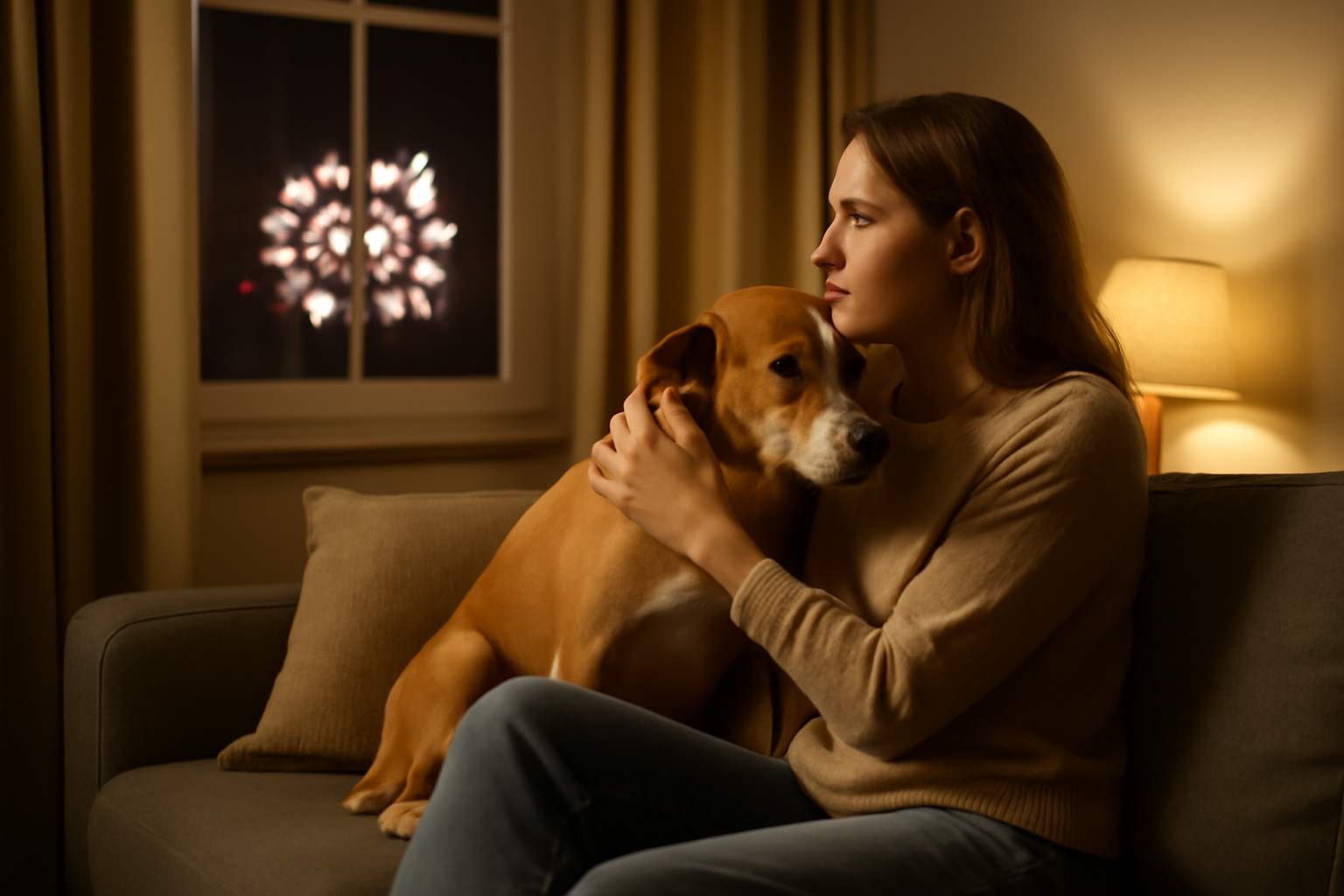
The 4th of July is a day filled with celebration, but for many pets, it can be a source of stress and anxiety. The loud sounds of fireworks, the hustle and bustle of gatherings, and the unexpected chaos can make for a challenging environment for our furry friends. Understanding how to address pet anxiety during this time is crucial for their well-being.
With a little planning and preparation, you can help ease your pet's fears and create a calm environment. In this guide, we'll explore the symptoms of pet anxiety, the root causes, and practical solutions to ensure a comfortable and safe holiday for your beloved companions.
Table of Contents
Understanding Pet Anxiety on the 4th of July
Every pet reacts differently to stimuli, and understanding the unique triggers for your furry friend can help in addressing their anxiety effectively. Fireworks are loud, sudden, and unpredictable, which can be particularly distressing for pets that are not accustomed to such noises. In addition to fireworks, the excitement and chaos of gatherings can also add to their stress levels. It's essential to be proactive in recognizing and managing these anxiety triggers to ensure a more peaceful experience for your pet. Celebrating 4th of July: A Guide for Pet Parents.
Symptoms of Pet Anxiety
Recognizing the signs of anxiety in your pet is the first step toward helping them. Common symptoms include: celebrating with pets.
- Excessive barking or whining
- Hiding or seeking comfort in unusual places
- Pacing or restlessness
- Destructive behavior, such as chewing or digging
- Loss of appetite or refusal to eat
In addition to these symptoms, you might also observe changes in their body language. Look for signs such as:
- Tucked tail or flattened ears
- Wide eyes or dilated pupils
- Excessive panting or drooling
It's crucial to monitor your pet closely during the 4th of July festivities. Keeping a journal of their behaviors can help you identify patterns and specific triggers, allowing you to tailor your approach to their needs more effectively.
Root Causes of Anxiety
The root causes of pet anxiety during the 4th of July can vary. Factors include:
- Past traumatic experiences with loud noises
- Unfamiliar environments or crowds
- Separation from their owners during festivities
Understanding these causes can guide you in creating a safer and more comforting environment for your pet. Here are some practical steps to take:
- Identify Triggers: Spend time observing your pet in different environments to identify what specifically causes them stress. This can include loud noises, unfamiliar faces, or even certain smells.
- Consider Their History: If you adopted your pet, try to learn about their past experiences. Pets with a history of being abandoned or abused may be more sensitive to loud noises and crowds.
- Assess Their Environment: Evaluate your home and yard for potential stressors. For example, if your pet is usually calm but becomes anxious during fireworks, it could be related to the open space of your yard or the proximity to the noise source.
By understanding the root causes of your pet's anxiety, you can implement strategies that specifically address these issues, helping to create a more serene atmosphere during the holiday celebrations.
Quick Diagnosis
To quickly assess your pet's anxiety level, consider the following:
- Observe their behavior during loud noises, not just fireworks. Pay attention to how they react to thunderstorms, vacuum cleaners, or any sudden, unexpected sounds. This will give you a broader understanding of their sensitivity to noise.
- Check for physical signs such as trembling or hiding. Look for specific behaviors like pacing, excessive barking, or attempts to escape. These physical manifestations often indicate a higher level of anxiety.
- Evaluate their comfort levels around people and other animals during gatherings. Notice if they seek out a safe space away from the crowd or if they show signs of stress, such as growling or avoiding interaction.
To make your diagnosis even more effective, consider keeping a log of your pet's behavior during various situations. This can help you identify patterns and triggers that may contribute to their anxiety. Here's how to create a simple observation checklist:
Observation Checklist
- Environment: Note the setting (indoors or outdoors), the number of people present, and any loud noises.
- Behavior: Record specific actions such as hiding, whining, or seeking comfort from you.
- Physical Signs: Document any trembling, drooling, or changes in body posture (e.g., tail tucked, ears back).
- Time: Track the time of day and duration of the anxiety episode to see if there are patterns.
Common mistakes to avoid when diagnosing your pet's anxiety include:
- Ignoring subtle signs: Sometimes pets may not exhibit overt signs of anxiety but may show more subtle behaviors like lethargy or decreased appetite.
- Assuming it's just a phase: Anxiety can manifest at any age and may not simply be a phase that your pet will outgrow.
- Overlooking environmental factors: Changes in your home, like moving to a new place or introducing a new pet, can significantly affect your pet's anxiety levels.
By being observant and methodical in your assessment, you can gain valuable insights into your pet's anxiety triggers. This understanding will pave the way for more targeted interventions, ensuring your furry friend feels safe and secure during the fireworks and other loud events.
Fix It Fast: Immediate Solutions for Pet Anxiety
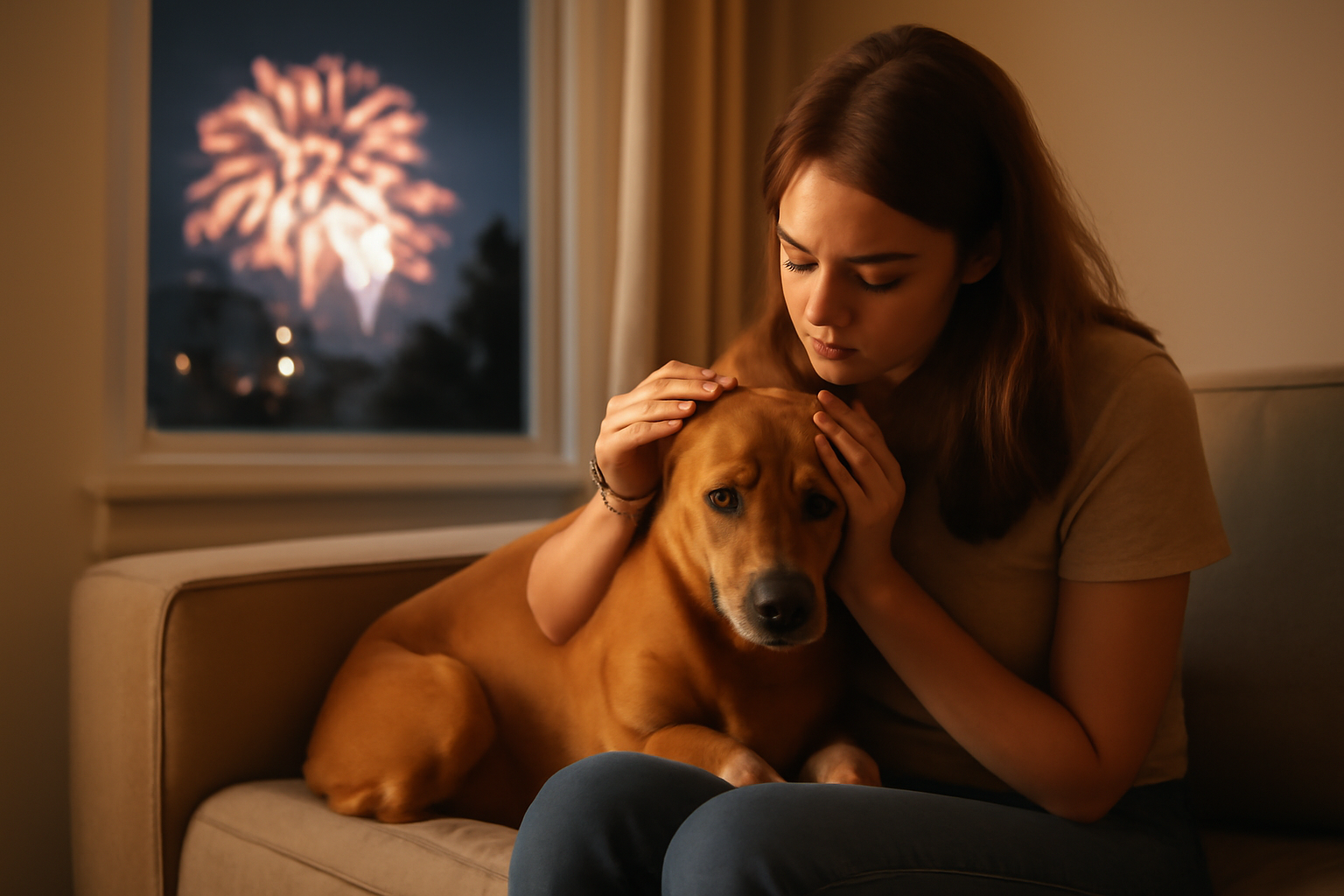
When fireworks are imminent, quick action can make a significant difference in your pet's comfort level. Here are some immediate solutions that can help soothe your furry friend during the chaotic sounds of the 4th of July.
Create a Safe Space
Designate a quiet area in your home where your pet can retreat during the festivities. This space should be free from loud noises and distractions, filled with their favorite toys and bedding. Ensure they have access to water and consider adding familiar scents, like a piece of your clothing, to provide additional comfort. Here are some steps to create that perfect sanctuary:
- Choose the Right Location: Select a room that is the furthest away from the noise, ideally with no windows. A basement or an interior room can be ideal.
- Soundproofing: Use blankets or cushions to block sound from entering the room. You can also play soft music or white noise to mask the sound of fireworks.
- Comfort Items: Include your pet's favorite blanket, toys, or even a bed that they love. These items can provide a sense of security.
- Familiar Scents: Place a piece of your clothing or a blanket that smells like you in their safe space, as it can be very comforting.
Use Calming Products
There are numerous products designed to help reduce anxiety in pets. Consider using:
- Calming Collars or Sprays: These products often contain natural ingredients like lavender or chamomile that can help relax your pet. Make sure to follow the instructions on how to use them effectively.
- Thundershirts: These snug-fitting garments provide gentle pressure, which can have a calming effect on anxious pets. Ensure you fit it properly, as a too-tight or too-loose Thundershirt may not be effective.
- Natural Supplements: Look for supplements that contain ingredients like L-theanine or valerian root, which are known for their calming properties. Consult with your veterinarian to find the right product and dosage for your pet.
Distraction Techniques
Engage your pet with interactive toys or puzzles that can keep their mind off the noise. This can be particularly effective for dogs that enjoy being active. Here are some distraction techniques to try:
- Interactive Toys: Toys that dispense treats or require problem-solving can keep your pet occupied. Consider toys that are specifically designed to be challenging and engaging.
- Play Their Favorite Games: Engage your pet in games like fetch or tug-of-war to divert their attention. Physical activity can also help release pent-up energy and reduce anxiety.
- Puzzle Feeders: Use a puzzle feeder to serve their meals or treats. This not only distracts them but also stimulates their mind, making them less aware of the surrounding noise.
Practice Desensitization
If possible, begin desensitizing your pet to loud noises well before the 4th of July. Gradually introduce them to similar sounds at a lower volume and reward them for calm behavior. Here's how to implement a desensitization plan:
- Start Early: Begin the desensitization process weeks in advance. The earlier you start, the better your chances of success.
- Use Sound Recordings: Play recordings of fireworks or thunder at a low volume while engaging in positive activities, like playtime or treats, to create a positive association.
- Increase Volume Gradually: As your pet becomes more comfortable, gradually increase the volume of the recordings. Always ensure your pet remains calm and reward them for relaxed behavior.
- Monitor Stress Levels: Watch for signs of stress, such as panting, pacing, or hiding. If your pet shows signs of distress, reduce the volume and take a step back in the process.
Pet Safety During Fireworks
Ensuring pet safety during fireworks is paramount. Here are some additional tips:
- Keep your pets indoors during fireworks displays.
- Ensure windows and doors are secured to prevent escapes.
- Consider using white noise machines or fans to help mask the sounds of fireworks.
Creating a Safe Space
Designate a specific area in your home where your pet can feel safe and comfortable during fireworks. This space should be away from windows and doors, ideally in a quiet room. Here are some steps to create this safe haven:
- Comfort Items: Include your pet's favorite blanket, toys, and any items that carry their scent to provide reassurance.
- Calm Environment: Dim the lights and close the curtains to minimize visual stimuli from outside. This can help reduce anxiety levels.
- Familiar Sounds: Play calming music or use a white noise machine to drown out the sound of fireworks. Choose soothing melodies or sounds that your pet is familiar with.
Behavioral Aids
Consider using behavioral aids to help your pet cope with the stress of fireworks:
- Thundershirts: These snug-fitting garments apply gentle pressure to your pet's body, which can have a calming effect.
- Calming Treats: There are various treats available that contain natural calming ingredients like chamomile or valerian root. Consult your veterinarian for recommendations.
- Desensitization Training: In the weeks leading up to fireworks season, play recordings of fireworks at a low volume while rewarding your pet for calm behavior. Gradually increase the volume over time.
Monitoring Your Pet
During fireworks, keep a close eye on your pet's behavior. Here's what to look out for:
- Signs of Stress: Watch for excessive panting, pacing, drooling, or hiding. If your pet exhibits these behaviors, provide comfort and reassurance.
- Check for Injuries: After the fireworks display, ensure your pet hasn't injured themselves trying to escape or hide. Look for any signs of cuts or abrasions.
- Reassurance: Stay close to your pet and offer gentle petting or soothing words. Your presence can be a great source of comfort.
Common Mistakes to Avoid
While trying to keep your pet safe during fireworks, be aware of these common mistakes:
- Leaving Pets Outside: Never leave your pets outside during fireworks, even if they seem calm. The noises can trigger a flight response, leading to escapes or injuries.
- Ignoring Warning Signs: If your pet shows signs of distress, don't dismiss them. Take action to help them feel secure.
- Overreacting: While it's important to be attentive, avoid creating a panic atmosphere. Stay calm and act normally to help your pet feel more at ease.
Emergency Preparedness
In case your pet does escape or gets lost during the fireworks, it's crucial to be prepared:
- Identification: Ensure your pet has a collar with an ID tag that includes your contact information. Microchipping is also a great option for permanent identification.
- Local Resources: Familiarize yourself with local animal shelters and veterinary clinics that can help if your pet goes missing. Keep their contact information handy.
- Post-Event Check-ins: After the fireworks, take a moment to check your yard and surrounding areas for your pet. If they are missing, start your search immediately.
By taking these precautions and being proactive, you can help ensure that your furry friends stay safe and calm during the fireworks festivities. Remember, your efforts to create a comforting environment can make all the difference in your pet's experience during this noisy celebration.
Planning a Pet-Friendly Event
If you're hosting a gathering, consider including pet-friendly options to make your event more accommodating for your furry guests. Summer festivities for pets can include:
- Creating a pet zone with toys and treats
- Offering water stations and shade areas
- Encouraging guests to interact gently with pets
To ensure that your event is a hit with both your human and furry guests, here's a detailed guide on how to plan a pet-friendly gathering that minimizes anxiety and maximizes fun for everyone involved.
Step-by-Step Guide to Planning
- Choose a Safe Location: Select an outdoor space that is secure and familiar to your pets. A fenced backyard or a pet-friendly park can provide a safe environment for dogs to roam free. If you're using a public space, ensure it's not overly crowded to prevent overwhelming your pets.
- Set Up a Designated Pet Area: Create a separate zone for pets equipped with their favorite toys, comfortable bedding, and a few treats. This area should be away from the main festivities to allow anxious pets a quiet retreat. Consider using pet gates to define the space clearly.
- Hydration Stations: Make sure to have multiple water stations available throughout the event. Use large, spill-proof bowls and refill them frequently to keep pets hydrated, especially in the summer heat. Consider adding ice cubes to the water for an extra refreshing touch.
- Shade and Comfort: Provide shaded areas where pets can relax. Use umbrellas, tents, or even large beach umbrellas to create cool spots. Lay down blankets or pet beds to encourage them to lounge comfortably.
- Interactive Activities: Plan activities that allow for gentle interaction between guests and pets. Consider setting up an agility course or a simple fetch area. You can also provide toys like ropes or balls that guests can use to engage with the pets. Make sure to supervise these interactions to ensure they remain calm and friendly.
- Pet-Friendly Treats: Offer a selection of pet-friendly snacks. You can set up a treat bar with options like peanut butter biscuits, freeze-dried meat, or even homemade doggie ice cream. Make sure to check for any allergies or dietary restrictions beforehand.
- Communicate with Guests: When sending out invitations, remind guests to be mindful of the pets. Encourage them to approach pets calmly and to ask before petting. This helps to create a more relaxed atmosphere for everyone.
- Plan for Quiet Time: Schedule breaks during the event, allowing both pets and humans to take a breather. This can help reduce anxiety levels, especially in high-energy environments. Consider having a quiet indoor space available for pets that need to escape the hustle and bustle.
Common Mistakes to Avoid
- Overcrowding: Avoid inviting too many guests or pets, which can lead to stress and anxiety. Keep the guest list manageable to ensure a comfortable environment.
- Neglecting to Monitor Interactions: Always supervise interactions between pets and guests, especially if there are children involved. This helps prevent any accidental rough play or misunderstandings.
- Forgetting Pet Essentials: Ensure you have enough supplies like leashes, poop bags, and first aid kits. These essentials can help manage unexpected situations and keep your event running smoothly.
- Ignoring Signs of Stress: Pay attention to your pet's body language. If they seem overwhelmed, provide them with a quiet space to retreat. It's crucial to prioritize their comfort during the event.
By following these steps and avoiding common pitfalls, you can create a joyful and pet-friendly gathering that everyone, including your furry friends, will remember fondly. Remember, the key is to maintain a relaxed atmosphere and provide plenty of opportunities for pets to feel safe and engaged.
Conclusion
As the 4th of July approaches, remember that your pet's comfort and safety should be a priority. By understanding their anxiety triggers and implementing practical solutions, you can create a peaceful environment that allows both you and your furry friends to enjoy the holiday. Consider taking one actionable step today, whether it's setting up a safe space or purchasing a calming product, to ensure your pet has a stress-free 4th of July.
Actionable Steps for a Stress-Free Holiday
To ensure your pet feels secure during the festivities, here are some practical steps you can take:
- Create a Safe Space: Designate a quiet room in your home where your pet can retreat during fireworks. Equip this space with their favorite blanket, toys, and perhaps an item with your scent to provide comfort.
- Use Calming Products: Explore various calming solutions such as anxiety wraps, pheromone diffusers, or calming treats. Start using these products a few days before the holiday to gauge their effectiveness.
- Practice Desensitization: If possible, play recordings of fireworks at a low volume while rewarding your pet for calm behavior. Gradually increase the volume over time to help them associate the sound with positive experiences.
- Maintain a Routine: Keep your pet's daily routine as normal as possible. Regular feeding, walks, and playtime can provide a sense of stability amidst the holiday chaos.
Checklist for the 4th of July
Use this checklist to prepare for a smooth and enjoyable holiday:
- ☐ Create a safe, quiet space for your pet
- ☐ Stock up on calming products
- ☐ Prepare engaging toys to distract your pet
- ☐ Ensure all windows and doors are secure
- ☐ Plan your pet's exercise routine for the day
- ☐ Consider consulting your veterinarian about anxiety medications if needed
Common Mistakes to Avoid
When preparing for the 4th of July, be mindful of these common pitfalls:
- Ignoring Your Pet's Behavior: If your pet shows signs of anxiety, don't dismiss them. Their reactions are valid, and taking proactive measures can significantly improve their experience.
- Forgetting Identification: Ensure your pet has proper identification, such as a collar with tags or a microchip. In case they escape due to fright, this will increase the chances of them being returned safely.
- Leaving Pets Outside: Never leave your pet outside during fireworks. The noise can terrify them, leading to escape attempts or injury.
- Underestimating the Impact of Fireworks: Even if your pet seems calm, the sounds of fireworks can still cause stress. Always err on the side of caution by providing a safe environment.
By taking these steps and avoiding common mistakes, you can ensure that both you and your furry friends have a wonderful, anxiety-free 4th of July. Remember, your pet relies on you to keep them safe and comfortable, and your efforts will make a world of difference in their experience during the holiday festivities.


