
Step-by-Step Guide on How to Socialize a Ruby Cavalier King Charles Spaniel

Socializing your Ruby Cavalier King Charles Spaniel is essential for their development and happiness. These delightful dogs, known for their affectionate nature, thrive on interaction with people and other pets. Proper socialization helps them develop confidence and reduces the likelihood of behavioral issues later in life.
In this guide, we'll explore a structured approach to socializing your Cavalier King Charles Spaniel, ensuring they grow into a well-adjusted companion who is comfortable in various environments. So, let's dive in and give your furry friend the best start possible!
Table of Contents
Step 1: Start Early
Socialization should begin as soon as you bring your Ruby Cavalier King Charles Spaniel home. The critical period for socialization is between 3 to 14 weeks of age, so take advantage of this window.
Expose Them to Different Environments
Introduce your puppy to various environments, such as parks, busy streets, and quiet neighborhoods. The goal is to help them acclimate to different sounds, sights, and smells.
Meet New People and Pets
Arrange playdates with other puppies and friendly adult dogs. It's vital to supervise these interactions to ensure they are positive and enjoyable. Also, expose your pup to various people, from children to the elderly, to help them feel comfortable around everyone.
Step 2: Utilize Positive Reinforcement
Positive reinforcement is a powerful tool in training and socialization. Reward your Ruby Cavalier King Charles Spaniel with treats, praise, or toys when they display calm behavior in new situations.
Training Sessions
Incorporate short training sessions into your socialization efforts. Focus on basic commands like "sit," "stay," and "come." This not only builds a bond between you and your dog but also helps them learn to focus on you amidst distractions.
Use Treats Wisely
Always have treats on hand during socialization outings. When your pup approaches a new person or pet calmly, reward them immediately to reinforce that good behavior.
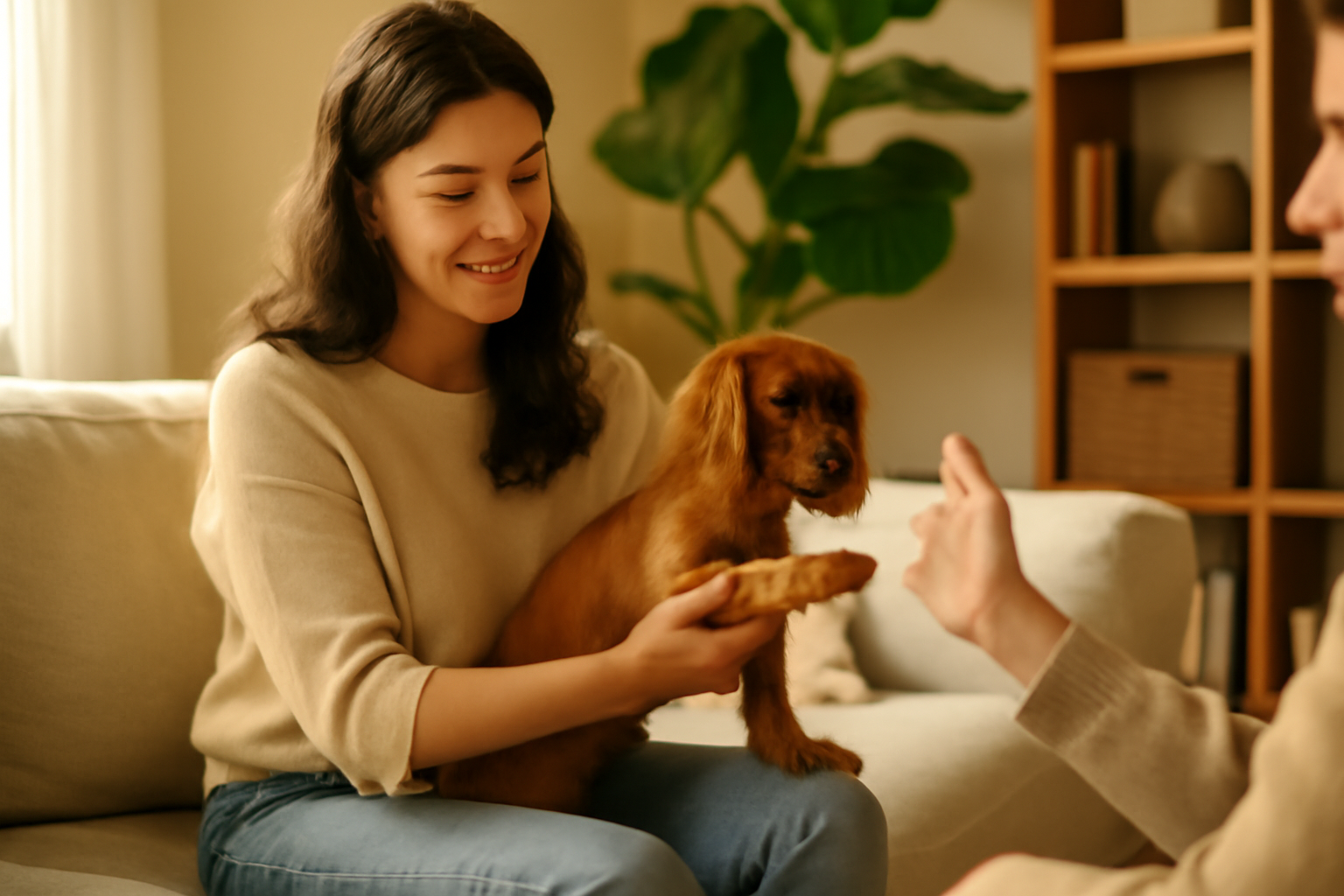
Step 3: Gradual Exposure
For some dogs, overwhelming situations can lead to fear or anxiety. It's crucial to introduce new experiences gradually. This approach not only helps your Ruby Cavalier King Charles Spaniel build confidence but also fosters a positive association with new environments and situations.
Start Small
Begin with low-stress environments, such as your backyard or a quiet park. Allow your Ruby to explore these spaces at their own pace. As they become more comfortable, you can gradually increase the level of exposure. Here are some practical steps to follow:
- Choose the Right Time: Pick times when the environment is less crowded and noisy, like early mornings or late afternoons.
- Short Visits: Keep initial outings short-about 10 to 15 minutes. This prevents overstimulation and allows for a positive experience.
- Positive Reinforcement: Bring treats and toys to reward your dog for calm behavior. This encourages them to associate new experiences with positive outcomes.
- Observe Body Language: Watch for signs of stress, such as tail tucking, excessive panting, or avoidance behaviors. If you see these signs, it's time to retreat and try again later.
Use a Safe Space
Ensure your pup has a safe space to retreat to if they feel overwhelmed. This could be a crate or a designated area in your home where they can feel secure. Here are some tips to create an effective safe space:
- Comfortable Setup: Equip the safe space with comfortable bedding, favorite toys, and a few treats to make it inviting.
- Consistent Location: Keep the safe space in a quiet area of your home where your dog can retreat without interruption.
- Introduce Gradually: Allow your Ruby to explore this space freely. Encourage them to go there when they need a break, using positive reinforcement to create a strong association.
- Limit Access During Stress: If your dog is overwhelmed during socialization, guide them back to their safe space to help them decompress.
Gradual Socialization with Other Dogs
When it comes to socializing with other dogs, a gradual approach is essential. Start with calm, well-mannered dogs that you know are friendly. Here's how to do it:
- Controlled Introductions: Arrange playdates in a controlled environment, such as a fenced yard. Keep the initial meetings short and positive.
- Use Leashes: Keep both dogs on leashes during the first few meetings to maintain control and prevent any sudden confrontations.
- Observe Interactions: Watch how your Ruby interacts with the other dog. Look for signs of playfulness or discomfort, and be ready to intervene if necessary.
- Gradually Increase Duration: As your Ruby becomes more comfortable, gradually increase the duration of these playdates.
Common Mistakes to Avoid
While socializing is a critical part of your Ruby's development, there are common pitfalls to watch out for:
- Overwhelming Situations: Avoid exposing your dog to too many new experiences at once. This can lead to fear and anxiety, setting back your progress.
- Ignoring Body Language: Failing to recognize your dog's stress signals can lead to negative experiences. Always be attentive to their behavior.
- Rushing the Process: Socialization is not a race. Allow your Ruby to set the pace, and don't force them into situations they're not ready for.
- Neglecting Positive Reinforcement: Always reward your dog for positive behavior during socialization. This reinforces good experiences and helps build confidence.
By following these steps and being mindful of your Ruby Cavalier King Charles Spaniel's needs, you can create a positive socialization experience that will help them thrive in various environments and situations.
Step 4: Attend Puppy Classes
Puppy classes offer an excellent opportunity for socialization in a controlled environment. Look for classes that focus on socialization and basic obedience. Not only do these classes help your Ruby Cavalier King Charles Spaniel learn essential commands, but they also provide a safe space for your pup to explore interactions with other dogs and humans.
Benefits of Group Settings
In puppy classes, your Cavalier will interact with other dogs and people under the supervision of a trained instructor. This helps reinforce good behavior and provides you with tools to manage their interactions. Here are some specific benefits:
- Structured Environment: Classes are designed to create a safe and controlled setting where dogs can play and learn without the chaos of an unregulated park.
- Social Learning: Your puppy will learn from observing other dogs. This mimicking behavior can enhance their social skills and confidence.
- Expert Guidance: Trained instructors can provide immediate feedback and tailored advice for your specific situation, helping to correct any undesirable behaviors on the spot.
- Routine Exposure: Regular attendance helps your Cavalier become accustomed to different dogs and people, reducing fear and anxiety in new situations.
Choosing the Right Class
When selecting a puppy class, consider the following factors to ensure it meets your needs:
- Instructor Qualifications: Look for instructors with credentials in dog training and behavior, preferably those who specialize in positive reinforcement techniques.
- Class Size: Smaller classes (6-8 puppies) are often more beneficial, allowing for more individualized attention and less overwhelming experiences for your pup.
- Curriculum Focus: Ensure the class includes a strong emphasis on socialization, playtime, and basic obedience commands.
- Reputation: Read reviews or ask for recommendations from fellow dog owners to find a reputable class in your area.
Understanding Body Language
Classes can also teach you to read your dog's body language as well as that of other dogs, helping you recognize when your pup is feeling uncomfortable or stressed. Here are some key body language signals to watch for:
- Tail Position: A wagging tail generally indicates excitement, while a tucked tail can signal fear or submission.
- Ears: Erect ears often mean curiosity or alertness, while pinned-back ears can indicate stress or fear.
- Posture: A relaxed body posture suggests comfort, while a stiff or crouched position can indicate anxiety.
- Vocalizations: Pay attention to growls or whines; these can be signs of discomfort or a desire to play, depending on the context.
Common Mistakes to Avoid
While attending puppy classes can be highly beneficial, there are some common pitfalls to avoid:
- Skipping Classes: Consistency is key. Missing classes can hinder your pup's progress and socialization opportunities.
- Overwhelming Your Pup: If your dog appears stressed, it's important to take a step back. Allow them to acclimate at their own pace.
- Ignoring Your Instructor: Trust the expertise of the instructor. If they suggest a specific approach or technique, give it a try before dismissing it.
- Comparing Your Dog to Others: Every dog is unique. Focus on your pup's individual progress rather than comparing them to others in the class.
By actively participating in puppy classes, you'll not only help your Ruby Cavalier King Charles Spaniel socialize effectively but also strengthen your bond as a team. The skills you both learn will pay off in countless ways as your pup grows into a well-adjusted adult dog.
Step 5: Regular Outings
Incorporate regular outings into your routine to keep your Ruby Cavalier King Charles Spaniel well-socialized. Frequent exposure to different settings will help maintain their confidence. These outings should not only be fun but also structured to ensure your dog learns how to navigate various environments effectively.
Variety is Key
Visit dog-friendly cafes, pet stores, and parks. Each outing provides new experiences that can help your dog adapt to different situations. Consider the following tips to maximize the benefits of your outings:
- Choose Different Locations: Rotate between various parks, beaches, and urban areas. Each location presents unique sights, sounds, and smells that can enrich your Cavalier's experiences.
- Engage with Other Dogs: Look for dog meet-ups or events in your area. Interacting with other dogs can help your Ruby learn proper social cues and improve their confidence in canine interactions.
- Explore New Activities: Try activities like agility classes, dog-friendly hiking, or even swimming. These new experiences can help your dog become more adaptable and less fearful of unfamiliar situations.
Be Consistent
Consistency is vital for socialization. Make it a point to schedule regular outings, ensuring your Cavalier remains accustomed to unfamiliar places and people. Here are some practical steps to create a consistent outing schedule:
- Set a Weekly Routine: Designate specific days and times for outings. For instance, you could plan a trip to the park every Saturday morning and a visit to a pet-friendly café every Wednesday afternoon.
- Track Progress: Keep a journal of your outings, noting your dog's reactions and progress. This will help you identify what environments they thrive in and where they may need more exposure.
- Involve Family and Friends: Encourage family members or friends to join you on outings. Having familiar faces around can help your Ruby feel more secure and make the experience more enjoyable.
Common Mistakes to Avoid
While regular outings are essential, there are some common pitfalls to watch out for:
- Overwhelming Your Dog: Be mindful of your dog's comfort level. If they seem stressed or anxious, it may be best to shorten the outing or choose a quieter location.
- Neglecting Basic Training: Ensure your dog is responsive to commands before venturing into busy environments. This will help you manage their behavior and keep them safe.
- Skipping Outings: Consistency is key, so try not to skip outings for too long. If your schedule gets busy, consider shorter, more frequent outings to maintain their socialization.
By incorporating a variety of outings and maintaining a consistent schedule, you can help your Ruby Cavalier King Charles Spaniel grow into a well-adjusted and confident companion. Remember, the more experiences you provide, the more resilient and adaptable your furry friend will become!
Common Mistakes to Avoid
As you embark on the journey of socializing your Ruby Cavalier King Charles Spaniel, be mindful of common mistakes that can hinder progress.
Overwhelming Situations
Avoid introducing your pup to too many new experiences at once. This can lead to stress and anxiety, counteracting your socialization efforts.
Ignoring Signs of Stress
Pay attention to your dog's body language. If they show signs of fear or discomfort, take a step back and reassess the situation.
Neglecting Regular Practice
Socialization is not a one-time event; it requires ongoing effort. Make it a daily habit to expose your pup to new environments and experiences.
Simple Checklist for Socializing Your Ruby Cavalier King Charles Spaniel
- Start socialization early, ideally between 3 to 14 weeks of age.
- Introduce your pup to various environments gradually.
- Use positive reinforcement to encourage good behavior.
- Attend puppy classes for structured socialization.
- Schedule regular outings to maintain social skills.
- Avoid overwhelming situations and heed signs of stress.
- Practice consistently to reinforce social skills.
1. Start Socialization Early
Beginning socialization at a young age is crucial for Ruby Cavalier King Charles Spaniels. During the sensitive period of 3 to 14 weeks, your puppy is most receptive to new experiences. Here are some steps to ensure effective early socialization:
- Expose your puppy to different people, including men, women, and children to help them become comfortable with various human interactions.
- Introduce your pup to different environments, such as parks, busy streets, and pet-friendly stores. Keep these experiences positive and rewarding.
- Invite friends over to meet your puppy, allowing them to interact in a controlled setting.
- Consider taking your puppy on car rides to familiarize them with travel and new locations.
2. Gradual Exposure to Environments
As your puppy grows, it's essential to introduce them to various settings slowly. This gradual exposure helps prevent overwhelming experiences:
- Start with quiet places, gradually increasing the level of noise and activity.
- Visit different types of environments, such as beaches, forests, and urban areas, to broaden their experiences.
- Observe your puppy's reactions and adjust the pace according to their comfort level.
3. Positive Reinforcement Techniques
Using positive reinforcement is vital in shaping your Ruby Cavalier's behavior during socialization:
- Reward your puppy with treats, praise, or toys when they exhibit calm behavior in new situations.
- Practice commands like "sit" or "stay" in public places to reinforce good behavior while socializing.
- Be consistent with your rewards, as this helps your puppy associate positive experiences with social interactions.
4. Attend Puppy Classes
Puppy classes provide structured socialization opportunities and professional guidance:
- Look for classes that focus on socialization and basic obedience, ensuring a well-rounded experience.
- Choose classes that allow puppies to interact with one another under supervision, promoting healthy play.
- Engage with the instructor to learn techniques tailored to your puppy's specific needs and temperament.
5. Schedule Regular Outings
Consistency is key in maintaining your Ruby Cavalier's social skills:
- Plan regular trips to dog parks, pet-friendly cafes, or community events to reinforce socialization.
- Incorporate routine walks in different neighborhoods to expose your puppy to various sights and sounds.
- Invite fellow dog owners to join you on outings, allowing for controlled playtime with other dogs.
6. Avoid Overwhelming Situations
Monitoring your puppy's comfort level is essential to prevent negative experiences:
- Watch for signs of stress, such as cowering, whining, or hiding. If your puppy shows these signs, remove them from the situation.
- Gradually increase the intensity of socialization experiences, ensuring your puppy feels secure at each stage.
- Provide a safe space at home where your puppy can retreat when feeling overwhelmed.
7. Consistent Practice
Reinforcing social skills requires regular practice and patience:
- Incorporate socialization into your daily routine, such as meeting neighbors or visiting dog-friendly locations.
- Practice basic commands in various settings to help your puppy generalize their training.
- Set aside time each week specifically for socialization activities, ensuring it remains a priority in your puppy's development.
Conclusion
By following these steps, you'll help your Ruby Cavalier King Charles Spaniel grow into a well-adjusted and sociable companion. Remember, the goal is to create positive experiences that build their confidence. So, grab those treats, head out for an adventure, and enjoy the delightful journey of socializing your beloved pup!
Final Tips for Successful Socialization
- Consistency is Key: Make socialization a regular part of your routine. Aim for short, positive experiences several times a week.
- Monitor Body Language: Pay attention to your dog's body language. Signs of stress, such as a tucked tail or excessive barking, indicate it's time to take a step back.
- Use Positive Reinforcement: Always reward your dog with treats or praise when they respond well to a new experience. This helps reinforce good behavior.
- Set Realistic Goals: Socialization is a gradual process. Set achievable goals for each outing, whether it's meeting one new dog or walking in a busy park.
- Practice Patience: Some dogs may take longer than others to adjust. Be patient and avoid forcing interactions, as this can lead to negative associations.
Common Mistakes to Avoid
- Skipping Early Socialization: Don't wait too long to start socializing your Ruby Cavalier. Early experiences are crucial for developing a well-rounded adult dog.
- Overwhelming Your Dog: Avoid introducing your pup to too many new experiences at once. Start with one or two new things per outing.
- Neglecting Different Environments: Ensure your dog experiences various settings-parks, busy streets, and quiet areas-to help them adapt to different stimuli.
- Ignoring Signs of Fear: If your dog shows fear or anxiety, don't push them into the situation. Instead, take a step back and try again later.
- Forgetting to Socialize with People: Don't just focus on other dogs. Expose your Ruby Cavalier to people of all ages, including children, to help them become friendly and approachable.
Creating a Socialization Checklist
To help guide your socialization efforts, consider creating a checklist that includes:
- Meet at least 5 new dogs in controlled environments.
- Visit different locations (parks, pet-friendly stores, etc.).
- Introduce your dog to at least 10 different people.
- Expose your dog to various sounds (vacuum, doorbell, traffic noises).
- Participate in a puppy training class or dog-friendly event.
By keeping these final tips, common mistakes, and a handy checklist in mind, you can ensure that your Ruby Cavalier King Charles Spaniel has a positive and enriching socialization experience. The more well-rounded their interactions, the more confident and happy they will be, making for a delightful companion for years to come!


