

Comparing Beginner and Experienced Ruby Cavalier King Charles Spaniels
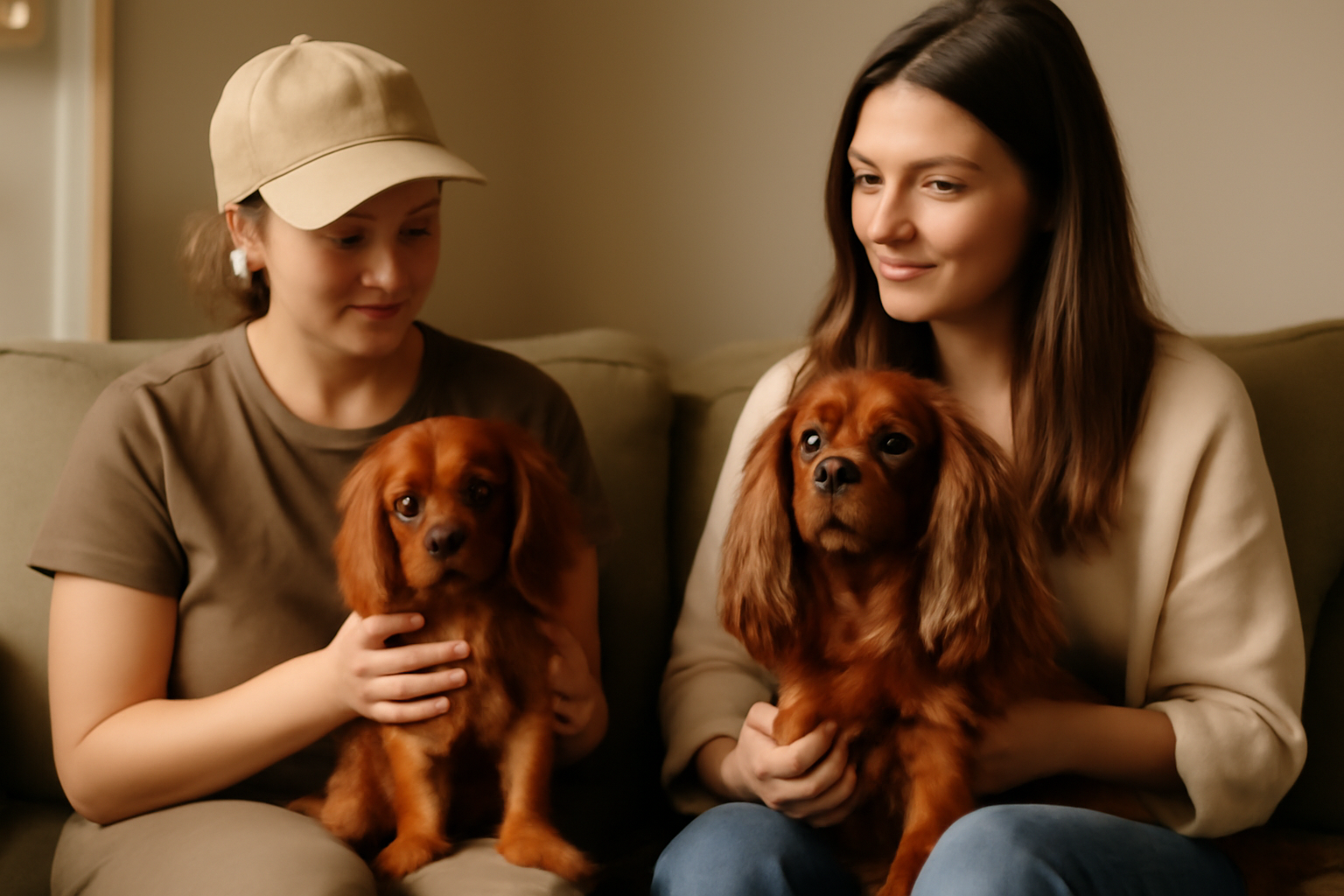
When it comes to Ruby Cavalier King Charles Spaniels, their charm and playful spirit make them a beloved breed among dog lovers. However, there are distinct differences between those just starting out with their Ruby Cavaliers and those who have experience in raising and training these delightful pups. Understanding these differences can help you make informed decisions about your pet's upbringing and care.
This comparison will delve into the unique traits and needs of beginner and experienced Ruby Cavalier King Charles Spaniels, providing insights into their behaviors, training requirements, and socialization needs. Whether you're a new dog parent or looking to enhance your existing knowledge, this guide will illuminate the paths that these adorable companions may take.
Table of Contents
Understanding Ruby Cavalier King Charles Spaniels
Before diving into the comparison, it's essential to understand the breed as a whole. Ruby Cavalier King Charles Spaniels are known for their affectionate nature, loyalty, and adaptability. They thrive in various environments, making them suitable for families, singles, and seniors alike. Their social, friendly demeanor is complemented by their intelligence, which can be both a blessing and a challenge depending on the owner's experience level.
Physical Characteristics
Ruby Cavalier King Charles Spaniels are small, elegant dogs with a distinct appearance. They usually weigh between 13 to 18 pounds and stand about 12 to 13 inches tall at the shoulder. Their silky, medium-length coat is rich in color, often described as a deep ruby hue. Regular grooming is essential to keep their coat healthy and free of mats. Here are some key physical traits to note: Cavalier King Charles care.
- Head: The head is rounded with a slightly flat skull, and they have large, expressive eyes that convey warmth and intelligence.
- Ears: Their long, feathered ears hang down close to the cheeks, adding to their charming appearance.
- Body: They possess a well-proportioned body with a short, straight back and a gentle slope towards the tail.
- Tail: The tail is typically medium-length and may be carried high when the dog is excited.
Temperament and Behavior
Ruby Cavalier King Charles Spaniels are renowned for their friendly and gentle temperament. They are eager to please, making them relatively easy to train, especially for those with some experience in handling dogs. Here are some behavioral traits to keep in mind:
- Affectionate: They thrive on companionship and enjoy being around people, often forming strong bonds with their owners.
- Playful: These dogs have a playful side and enjoy engaging in games, making them great companions for children.
- Social: They are generally good with other pets and animals, showcasing their adaptable nature.
- Alert: While they are not overly aggressive, they can be alert and may bark to alert their owners of strangers.
Exercise and Training Needs
While Ruby Cavalier King Charles Spaniels are not as high-energy as some breeds, they still require regular exercise to stay healthy and happy. Daily walks, playtime, and mental stimulation are crucial. Here are some tips for ensuring your Ruby gets the right amount of activity:
- Daily Walks: Aim for at least 30 minutes of walking each day. This can be broken into two shorter walks if necessary.
- Interactive Play: Engage in games like fetch or tug-of-war to keep them physically active and mentally stimulated.
- Training Sessions: Incorporate short training sessions throughout the week to reinforce commands and tricks, which also helps with mental engagement.
Common Health Concerns
Like all breeds, Ruby Cavalier King Charles Spaniels are prone to certain health issues. Being aware of these can help you take proactive steps for your dog's well-being. Here are some common health concerns:
- Heart Conditions: They are particularly susceptible to mitral valve disease, which can lead to heart failure. Regular veterinary check-ups are essential.
- Eye Problems: Conditions like cataracts and dry eye can affect their vision. Regular eye examinations can help detect issues early.
- Ear Infections: Their floppy ears can trap moisture, leading to infections. Regular ear cleaning can mitigate this risk.
Tips for New Owners
For those considering adding a Ruby Cavalier King Charles Spaniel to their family, here are some practical tips:
- Research: Learn about the breed's specific needs and characteristics to ensure they fit your lifestyle.
- Choose a Reputable Breeder: Ensure you are getting a healthy puppy from a responsible source. Ask about health screenings and the puppy's lineage.
- Socialization: Start socializing your puppy early with various environments, people, and other pets to develop a well-rounded adult dog.
- Routine Veterinary Care: Schedule regular check-ups and vaccinations to maintain your dog's health.
Understanding these aspects of Ruby Cavalier King Charles Spaniels will help you appreciate the differences between beginner and experienced owners. This knowledge can lead to a more fulfilling relationship with your furry friend, regardless of your experience level.
Beginner Ruby Cavalier King Charles Spaniels
Characteristics and Needs
Beginner Ruby Cavaliers often require more guidance and support. They may lack socialization and training, leading to potential behavioral issues if not addressed early on. New dog parents should focus on establishing routines and basic commands, promoting positive reinforcement techniques to build confidence and trust.
Understanding the specific characteristics of Ruby Cavaliers is essential for beginner owners. These dogs are known for their affectionate nature and strong desire to please, making them relatively easy to train when approached correctly. However, they can also be sensitive; harsh training methods may lead to fear or anxiety. Here are some key characteristics and needs to keep in mind:
- Affectionate Companions: Ruby Cavaliers thrive on companionship. They often prefer to be near their owners, so it's essential to provide them with ample attention and affection.
- Exercise Needs: While they enjoy playtime, they don't require excessive exercise. Daily walks and interactive play sessions are usually sufficient to keep them healthy and happy.
- Grooming Requirements: Their beautiful, silky coats require regular grooming. Brush them at least twice a week to prevent matting and reduce shedding.
- Health Awareness: Beginner owners should be aware of potential health issues common in the breed, such as heart problems and eye conditions. Regular vet check-ups are crucial.
Training and Socialization
Training should be consistent and patient. Beginner owners must prioritize socialization for Ruby Cavaliers, exposing them to various environments, people, and other pets. This exposure will help mitigate any fear or anxiety they may develop as they grow. Puppy classes are beneficial, providing a structured environment for learning and interaction.
To effectively train and socialize your Ruby Cavalier, consider the following practical steps:
- Establish a Training Schedule: Set aside specific times each day for training sessions. Short, frequent sessions (5-10 minutes) are more effective than longer ones, especially for beginners.
- Use Positive Reinforcement: Reward your dog with treats, praise, or playtime when they successfully follow commands. This encourages them to repeat the desired behavior.
- Introduce Basic Commands: Start with simple commands like "sit," "stay," and "come." Gradually increase the complexity of commands as your dog becomes more confident.
- Socialization Opportunities: Take your Ruby Cavalier to different places, such as parks, pet-friendly stores, and friends' houses. Introduce them to various people and pets to help them become well-adjusted.
- Join a Puppy Class: Look for local puppy training classes. These classes not only provide essential training but also allow your dog to socialize with other dogs in a controlled environment.
Common mistakes to avoid during training and socialization include:
- Inconsistency: Failing to maintain a consistent training approach can confuse your dog. Make sure everyone in the household uses the same commands and training methods.
- Neglecting Socialization: Skipping socialization can lead to fearfulness and anxiety. Ensure your puppy meets a variety of people and experiences different environments early on.
- Overwhelming the Puppy: While exposure is important, too much at once can be overwhelming. Gradually introduce new experiences to avoid stress.
By focusing on these characteristics, needs, and effective training techniques, beginner Ruby Cavalier King Charles Spaniel owners can foster a loving and well-adjusted companion. Remember, patience and consistency are key to nurturing a happy and confident dog.

Experienced Ruby Cavalier King Charles Spaniels
Characteristics and Needs
Experienced owners have a deeper understanding of Cavalier King Charles characteristics and can better interpret their dog's needs. These dogs may exhibit more confidence, having been socialized effectively and trained with established routines. Experienced owners can adapt training techniques to their dog's personality, ensuring a more tailored approach to obedience and behavior.
One key characteristic of experienced Ruby Cavaliers is their adaptability. They thrive in environments where they feel secure and loved, responding positively to consistent routines. This adaptability allows them to adjust to various situations, whether it's a bustling family gathering or a quiet evening at home. Experienced owners recognize the importance of maintaining a stable environment and can identify stressors that may affect their dog's well-being.
Additionally, experienced owners are adept at recognizing subtle signs of discomfort or anxiety in their dogs. For example, they notice when their Ruby Cavalier is hesitant around new people or environments and can take proactive steps to alleviate any stress, such as gradual introductions or providing a safe space. Understanding body language, such as tail position or ear movement, becomes second nature, allowing for a more empathetic approach to their dog's emotional needs.
Training and Socialization
With experience comes the ability to implement advanced training techniques, focusing on agility, tricks, or even therapy work. Experienced owners often have established social networks of other dog owners, allowing for regular playdates and positive interactions that reinforce good behavior and social skills.
Advanced training may include activities like agility courses, where experienced owners can teach their Ruby Cavaliers to navigate obstacles, enhancing their physical and mental stimulation. This not only strengthens the bond between the dog and owner but also provides an outlet for the dog's energy. Owners can create a checklist for agility training, which may include:
- Choosing a safe, enclosed area for practice.
- Starting with simple obstacles, such as jumps or tunnels.
- Gradually increasing difficulty as the dog becomes more confident.
- Incorporating positive reinforcement, like treats or praise, to encourage success.
- Regularly assessing the dog's comfort level and adjusting training accordingly.
Moreover, experienced owners often engage their dogs in community activities, such as obedience classes or dog sports. These experiences not only enhance the dog's skills but also foster a sense of community among other dog lovers. Owners can avoid common mistakes like overtraining or neglecting socialization by ensuring that training sessions are balanced with playtime and relaxation.
Socialization is also crucial for experienced Ruby Cavalier owners, as these dogs thrive on companionship. Regular interactions with other dogs help to solidify their social skills and reduce the likelihood of behavioral issues. Owners can create a socialization plan that includes:
- Scheduling regular playdates with trusted dogs.
- Attending dog parks during off-peak hours to avoid overwhelming situations.
- Introducing new environments gradually, allowing the dog to explore at their own pace.
- Monitoring interactions to ensure positive experiences and addressing any negative behavior immediately.
By focusing on advanced training and socialization, experienced Ruby Cavalier King Charles Spaniel owners can ensure their dogs are well-rounded, confident, and ready to take on the world with joy and enthusiasm.
Comparison Table
| Aspect | Beginner Ruby Cavaliers | Experienced Ruby Cavaliers |
|---|---|---|
| Training Needs | Basic commands and routines | Advanced training techniques |
| Socialization | Requires extensive exposure | Regular interactions with peers |
| Behavioral Challenges | Potential for anxiety or fear | Confident and well-adjusted |
| Owner Experience | New to dog ownership | Familiar with breed-specific needs |
Training Needs
For beginner Ruby Cavalier King Charles Spaniels, training focuses on establishing a foundation of basic commands such as sit, stay, come, and heel. New owners should consider enrolling in puppy kindergarten classes, which are designed to teach both the dog and the owner essential skills. It's also beneficial to use positive reinforcement techniques, such as treats and praise, to encourage good behavior. A checklist for beginner training might include:
- Teaching basic commands
- Establishing a consistent routine
- Using positive reinforcement
- Practicing leash training
- Incorporating fun activities to keep engagement high
Experienced Ruby Cavaliers, on the other hand, may benefit from advanced training techniques such as agility training, scent work, or even therapy dog training. These activities not only challenge the dog mentally and physically but also help in deepening the bond between the dog and owner. Owners should consider the following for advanced training:
- Setting specific training goals
- Incorporating varied environments for training
- Exploring specialized training classes
- Engaging in regular practice sessions to reinforce skills
Socialization
Socialization is crucial for both beginner and experienced Ruby Cavaliers, but their approaches differ. Beginner owners should aim for extensive exposure to various environments, people, and other pets. This can include visits to parks, pet-friendly stores, and social gatherings. A practical checklist for socialization might include:
- Arranging playdates with other dogs
- Attending puppy classes for social interaction
- Taking trips to different environments (e.g., busy streets, quiet parks)
- Exposing the dog to various sounds and sights (e.g., vacuum cleaners, children playing)
Experienced Ruby Cavaliers typically require regular interactions to maintain their social skills. They are often more adaptable and confident in new situations, but it's still important to keep their socialization ongoing. Experienced owners might consider:
- Regularly attending dog meetups or breed-specific events
- Involving the dog in family activities and outings
- Encouraging interactions with a variety of people and pets
Behavioral Challenges
Beginner Ruby Cavaliers may face behavioral challenges such as anxiety or fear, often stemming from a lack of proper training or socialization. It's essential for new owners to recognize signs of anxiety, such as excessive barking, hiding, or destructive behavior. To mitigate these challenges, beginners should:
- Establish a safe and comforting environment
- Use calming products (e.g., anxiety wraps or pheromone diffusers)
- Seek professional help if anxiety persists
In contrast, experienced Ruby Cavaliers tend to be more confident and well-adjusted, having been through various training and socialization experiences. They are usually better equipped to handle new situations and environments. However, experienced owners should remain vigilant for any sudden changes in behavior, which may indicate underlying issues. To maintain their well-being, owners should:
- Regularly assess their dog's behavior for any signs of stress
- Continue engaging in stimulating activities
- Provide consistent routines to reinforce stability
Owner Experience
Beginner owners often find themselves navigating the complexities of dog ownership for the first time. It's crucial for them to be patient and open to learning. They should seek resources such as books, online courses, or local dog training programs to better understand their Ruby Cavalier's needs. Key considerations for new owners include:
- Researching the breed's specific characteristics
- Understanding health and grooming needs
- Establishing a routine for feeding and exercise
Experienced owners, however, are typically well-versed in the breed's specific needs and quirks. They understand the importance of ongoing education and may choose to connect with other experienced owners or trainers for advanced insights. To enhance their ownership experience, they might:
- Participate in breed clubs or forums for knowledge sharing
- Stay updated on the latest training techniques and health information
- Consider advanced training or competitive events to challenge their dog
Which Option Fits You?
Choosing between a beginner or experienced Ruby Cavalier King Charles Spaniel depends on your lifestyle and experience level. If you are a first-time dog owner, a beginner may be a better fit, allowing you to grow together and build a strong bond. Start with basic training and focus on socialization for Ruby Cavaliers to ensure a happy and well-adjusted pet.
On the other hand, if you have previous experience with dogs, an experienced Ruby Cavalier may be the perfect companion. You can take advantage of their existing skills and socialization, leading to a more seamless integration into your home. Additionally, they may be ready for more advanced training, providing an enriching experience for both you and your furry friend.
Conclusion
The journey with a Ruby Cavalier King Charles Spaniel can be filled with joy and learning, regardless of your experience level. By understanding the distinctions between beginner and experienced Cavaliers, you can make informed decisions that cater to your lifestyle and ensure a fulfilling relationship with your dog. Whether you're venturing into the world of dog ownership for the first time or looking to enhance your connection with an experienced pup, there's always room for growth and love in your journey together.
Key Takeaways for Beginners
If you're a beginner, here are some essential points to keep in mind:
- Research and Preparation: Before bringing your Ruby Cavalier home, take time to learn about their needs, behaviors, and health concerns. Books, reputable websites, and local breeders can provide valuable insights.
- Training Basics: Start with basic commands such as sit, stay, and come. Positive reinforcement techniques work best with Cavaliers, so stock up on treats and praise to encourage good behavior.
- Socialization: Introduce your new puppy to different environments, people, and other dogs. This will help them develop into a well-rounded adult dog. Puppy classes can be a great way to meet other dog owners and provide early socialization.
- Routine Establishment: Create a daily routine that includes feeding, exercise, and bathroom breaks. Consistency helps your dog feel secure and understand what to expect.
Tips for Experienced Owners
For those already familiar with the joys of dog ownership, consider these tips to deepen your bond with your Ruby Cavalier:
- Advanced Training: Explore advanced training options such as agility or obedience classes. This not only challenges your dog mentally but also strengthens your communication and teamwork.
- Health Monitoring: Stay vigilant about your dog's health. Regular vet check-ups, a balanced diet, and appropriate exercise are key to keeping your Ruby Cavalier in top shape.
- Engagement Activities: Keep your dog mentally stimulated with puzzle toys, interactive games, and new experiences. This can prevent boredom and reduce behavioral issues.
- Community Involvement: Engage with other Cavalier owners through clubs or online forums. Sharing experiences and advice can enhance your understanding of the breed and provide support.
Common Mistakes to Avoid
Both beginners and experienced owners should be aware of these common pitfalls:
- Ignoring Exercise Needs: Cavaliers are active dogs that require regular exercise. Failing to provide adequate physical activity can lead to obesity and behavioral issues.
- Neglecting Grooming: Ruby Cavaliers have beautiful coats that require regular grooming. Skipping grooming sessions can lead to matting and skin problems.
- Inconsistent Training: Inconsistency in training methods can confuse your dog. Make sure everyone in your household is on the same page regarding commands and rules.
- Overlooking Health Issues: Be proactive about health screenings. Cavaliers are prone to certain genetic conditions, and early detection can make a difference in treatment outcomes.
Ultimately, whether you are a beginner or an experienced owner, the love and companionship of a Ruby Cavalier King Charles Spaniel can enrich your life in countless ways. Embrace the journey, cherish the moments, and remember that each day with your furry friend brings new opportunities for joy and connection.


