

Caring for Your Ruby Cavalier King Charles Spaniel: A Step-by-Step Guide
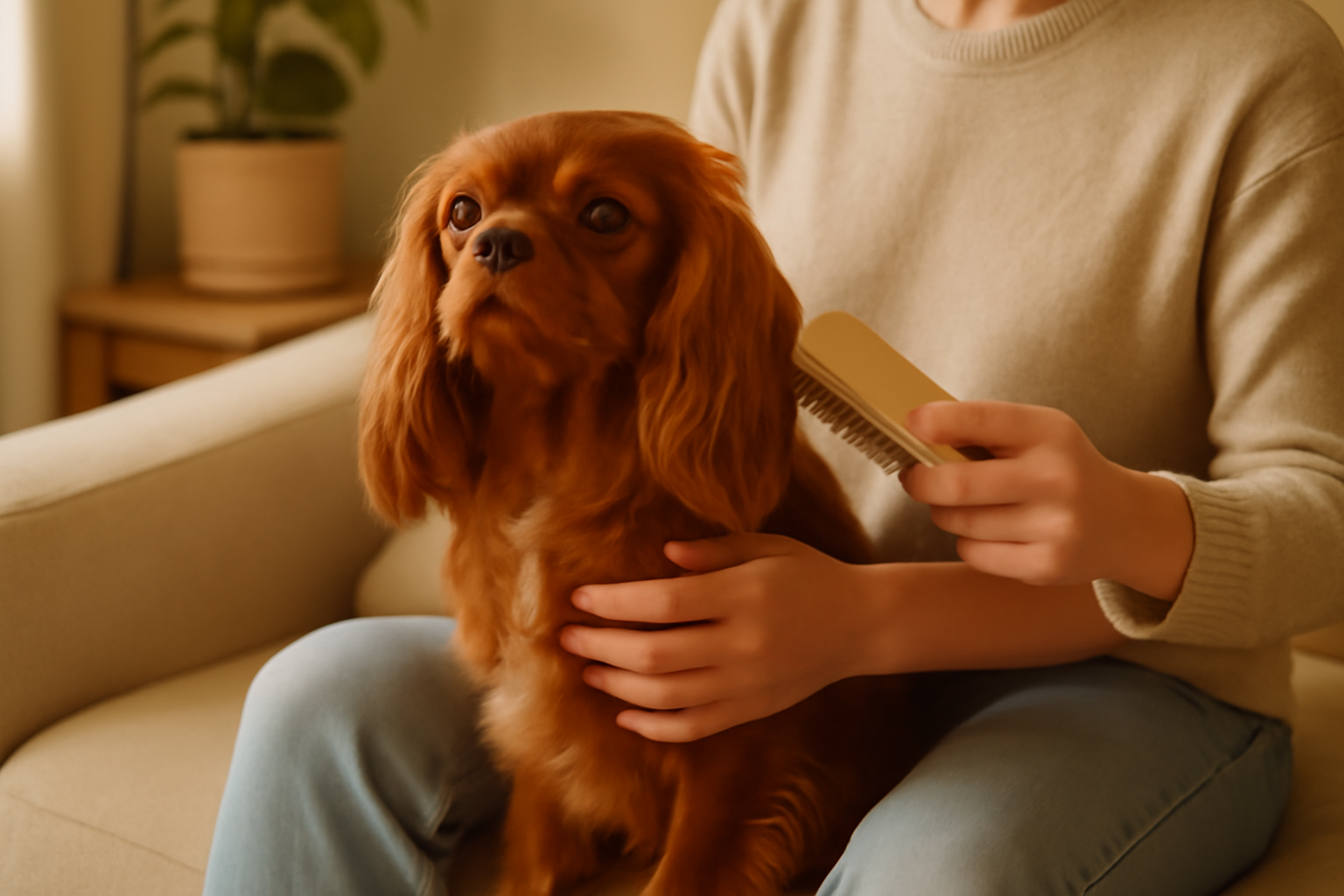
Ruby Cavalier King Charles Spaniels are not only adorable companions but also come with their own unique care requirements. With their charming personalities and affectionate nature, these pups have captured the hearts of many dog lovers. However, ensuring they lead happy and healthy lives takes a bit of knowledge and dedication.
In this guide, we will walk you through essential steps on how to care for your Ruby Cavalier King Charles Spaniel. From grooming to nutrition, we've got you covered with practical tips and a handy checklist to keep your furry friend in tip-top shape.
Table of Contents
- Step 1: Understand Cavalier King Charles Characteristics
- Step 2: Grooming Your Ruby Cavalier
- Step 3: Nutrition for Your Ruby Cavalier
- Step 4: Exercise and Playtime
- Step 5: Regular Veterinary Care
- Step 6: Understanding Personality Traits of Cavaliers
- Step 7: Common Mistakes to Avoid
- Checklist for Ruby Cavalier Care
Step 1: Understand Cavalier King Charles Characteristics
Before diving into the specifics of care, it's essential to understand the unique traits of the breed. Ruby Cavaliers are known for their friendly disposition and playful nature. They tend to be affectionate and loyal, making them excellent family pets. Their small stature and gentle personality also make them great companions for both children and adults. The Ultimate Guide to Ruby Cavalier King Charles Spaniels.
Understanding their characteristics will not only help you provide better care but also foster a deeper bond with your Ruby Cavalier. Here are some key traits to consider:
1. Temperament
Ruby Cavaliers are renowned for their sweet and gentle temperament. They are eager to please, which makes training relatively straightforward. However, their friendly nature means they thrive on social interaction. It's important to expose them to various environments, people, and other pets from a young age to develop their social skills.
- Socialization: Start socializing your Ruby Cavalier early. Introduce them to different people, pets, and environments. This can help prevent shyness or anxiety later in life.
- Affectionate Nature: Expect your Ruby to be a lap dog! They love to cuddle and be close to their humans, so be prepared for plenty of snuggles.
2. Energy Levels
Ruby Cavaliers have a moderate energy level. They enjoy playtime and short walks but can also be content lounging around the house. Regular exercise is important to keep them healthy and happy, but they don't require excessive activity.
- Daily Walks: Aim for at least 30 minutes of exercise each day. This can be split into two short walks or play sessions in the yard.
- Interactive Play: Engage them with toys that challenge their minds, such as puzzle toys or fetch games. This helps burn off energy while keeping them mentally stimulated.
3. Size and Grooming Needs
Ruby Cavaliers are small, typically weighing between 13 to 18 pounds. Their beautiful, silky coats require regular grooming to prevent mats and tangles.
- Grooming Routine: Brush your Ruby's coat at least once a week. During shedding seasons, increase this to several times a week to keep their fur manageable.
- Bathing: Bathe them every 4-6 weeks, or as needed if they get particularly dirty. Use a gentle dog shampoo to maintain their coat's health.
4. Health Considerations
Being aware of common health issues associated with Ruby Cavaliers can help you take proactive steps in their care. Regular veterinary check-ups are crucial.
- Heart Health: Cavalier King Charles Spaniels are prone to heart conditions, particularly mitral valve disease. Regular vet visits can help catch any issues early.
- Eye Issues: They are also susceptible to eye problems, including cataracts and retinal issues. Keep an eye on any changes in their vision and consult your vet if needed.
5. Lifespan and Aging
Ruby Cavaliers typically live between 12 to 15 years. As they age, their care needs may change. Being proactive about their health can contribute to a longer, happier life.
- Senior Care: As your Ruby ages, consider adjusting their diet and exercise routine. Consult your veterinarian for advice tailored to your dog's specific needs.
- Comfort Measures: Provide a comfortable bed and consider joint supplements if they show signs of stiffness or discomfort.
By understanding these characteristics, you're setting the stage for a fulfilling relationship with your Ruby Cavalier King Charles Spaniel. The more you know about their needs and personality, the better equipped you'll be to provide the love and care they deserve.
Step 2: Grooming Your Ruby Cavalier
Maintaining your Ruby Cavalier's coat is crucial for their overall health and comfort. Here are the key grooming practices:
Regular Brushing
Due to their medium-length, silky fur, Ruby Cavaliers require regular brushing-ideally, 2-3 times a week. This helps prevent matting and reduces shedding. Use a slicker brush or a comb designed for long-haired breeds to keep their coat smooth and tangle-free.
Bathing
Bath your Cavalier every 4-6 weeks or as needed. Use a gentle dog shampoo to avoid irritating their sensitive skin. Make sure to rinse thoroughly to prevent any soap residue.
Nail Trimming and Ear Care
Nail trimming is essential to prevent discomfort while walking. Aim to trim their nails every 3-4 weeks. Additionally, check their ears weekly for dirt or wax buildup, as Cavaliers are prone to ear infections. Use a vet-recommended ear cleaner to keep them healthy.

Step 3: Nutrition for Your Ruby Cavalier
A balanced diet is fundamental to your Ruby Cavalier's health. Here's how to ensure they get the nutrition they need:
Quality Dog Food
Select high-quality dog food that is appropriate for their age, size, and activity level. Look for foods rich in protein and low in fillers. Consult your veterinarian for recommendations tailored to your dog's specific needs.
Meal Portions and Schedule
Ruby Cavaliers are prone to obesity, so it's vital to monitor their portion sizes. Most adult Cavaliers should have two meals a day. Stick to a consistent feeding schedule to help manage their weight.
Step 4: Exercise and Playtime
Your Ruby Cavalier needs regular exercise to stay fit and healthy. Here are some ways to incorporate activity into their daily routine:
Daily Walks
Take your Cavalier on daily walks to keep them active. Aim for at least 30 minutes of exercise each day. This can be split into shorter walks if needed. Walks are not only physically beneficial but also great for mental stimulation. Consider the following tips to make your walks more enjoyable:
- Vary Your Routes: Change your walking route regularly to expose your dog to new sights, sounds, and smells. This keeps their interest piqued and provides mental stimulation.
- Use a Comfortable Harness: A well-fitted harness can make walks more comfortable for your Ruby Cavalier, especially if they tend to pull. Look for one that distributes pressure evenly across their body.
- Incorporate Training: Use walks as an opportunity to practice commands like sit, stay, and heel. This reinforces training while keeping them engaged.
- Watch the Weather: Be mindful of the weather conditions. On hot days, walk during the cooler parts of the day, and in winter, ensure your dog is warm enough.
Interactive Play
Engage your dog in interactive playtime with toys or games like fetch and tug-of-war. This helps strengthen your bond and keeps their spirits high. Here are some ideas for interactive play:
- Fetch: Use a soft ball or a favorite toy to play fetch in a safe, enclosed area. Start with short distances and gradually increase as your dog becomes more comfortable.
- Tug-of-War: This game can be a great outlet for your dog's energy. Use a sturdy rope toy and ensure you have control over the game. Remember to let your dog win occasionally to keep them motivated.
- Hide and Seek: Hide somewhere in your house and call your dog to find you. This game encourages them to use their senses and can be a fun way to engage their mind.
- Puzzle Toys: Invest in puzzle toys that dispense treats as your dog figures them out. This not only provides physical activity but also challenges their cognitive skills.
Socialization Opportunities
Socialization is an important aspect of exercise for Ruby Cavaliers. Here are ways to ensure your dog gets the social interaction they need:
- Dog Parks: Visiting a dog park allows your Cavalier to interact with other dogs. Make sure the park is safe and that your dog is comfortable around other pets.
- Playdates: Arrange playdates with other friendly dogs. This can be a great way for your dog to expend energy while enjoying the company of their canine friends.
- Training Classes: Consider enrolling in a training class or agility course. This not only provides exercise but also helps with socialization and obedience skills.
Common Mistakes to Avoid
While exercise is crucial, there are some common mistakes to avoid to ensure your Ruby Cavalier remains healthy and happy:
- Overexertion: Be cautious not to overexert your dog, especially in hot weather. Watch for signs of fatigue, such as excessive panting or lagging behind.
- Ignoring Their Needs: Every dog is different. Pay attention to your dog's energy levels and adjust their exercise routine accordingly.
- Skipping Playtime: Don't underestimate the importance of playtime. It's essential for their mental health and helps prevent behavioral issues.
- Neglecting to Hydrate: Always carry water for your dog during walks or play sessions, especially on warm days. Hydration is key to keeping them healthy.
By incorporating these activities and being mindful of your Ruby Cavalier's needs, you can ensure they receive the right amount of exercise and playtime, contributing to their overall health and happiness.
Step 5: Regular Veterinary Care
Routine veterinary visits are crucial for maintaining your Ruby Cavalier's health. Here's what to keep in mind:
Vaccinations
Stay up to date with vaccinations and preventative care. Your veterinarian can recommend a vaccination schedule that suits your dog's lifestyle. Generally, the core vaccinations include:
- Rabies: Required by law in many areas, this vaccine protects against a fatal virus.
- Distemper: A highly contagious disease that can be deadly, especially in puppies.
- Parvovirus: This virus can cause severe gastrointestinal issues and is often fatal.
- Canine Hepatitis: Protects against liver disease caused by the adenovirus.
In addition to core vaccines, your veterinarian might suggest non-core vaccines based on your Ruby's lifestyle, such as Bordetella for kennel cough or Lyme disease vaccine if you live in a tick-prone area. Always discuss any concerns or questions you have regarding vaccinations during your vet visits.
Dental Care
Dental health is often overlooked but is vital for overall well-being. Brush your dog's teeth regularly with dog-specific toothpaste and consider dental chews to help reduce plaque and tartar buildup. Here are some practical steps to maintain your Ruby's dental hygiene:
- Daily Brushing: Aim to brush your dog's teeth daily. Use a soft-bristled toothbrush designed for dogs and apply a small amount of canine toothpaste. Introduce brushing gradually, allowing your dog to get used to the sensation.
- Dental Chews: Offer dental chews that are approved by veterinary dental associations. These can help mechanically clean your dog's teeth while they chew.
- Regular Check-ups: Schedule annual dental check-ups with your veterinarian. They can perform professional cleanings and check for any signs of dental disease.
Watch for signs of dental issues, such as bad breath, difficulty eating, or swollen gums, and consult your veterinarian if you notice any of these symptoms.
Wellness Exams
Regular wellness exams are essential for early detection of health issues. Your veterinarian will perform a thorough physical examination, which typically includes:
- Weight Check: Monitoring your Ruby's weight is important to prevent obesity, which can lead to various health problems.
- Heart and Lungs: Your vet will listen to your dog's heart and lungs to ensure they are functioning properly.
- Skin and Coat: A skin examination can help identify any allergies, infections, or parasites.
- Eyes and Ears: Regular checks can help catch early signs of conditions like cataracts or ear infections.
Parasite Prevention
Preventing parasites is crucial for your Ruby's health. Discuss with your vet about the best preventive measures for:
- Fleas and Ticks: Use vet-recommended topical or oral treatments to keep these pests at bay.
- Heartworm: Administer monthly heartworm prevention medication as prescribed by your vet.
- Worms: Regular fecal examinations can help detect intestinal worms, and deworming treatments can be administered as necessary.
Senior Dog Care
As your Ruby ages, their healthcare needs may change. Regular veterinary visits become even more critical for senior dogs. Your vet may recommend:
- More Frequent Check-ups: Consider bi-annual visits instead of annual, as older dogs may develop health issues more rapidly.
- Specialized Diet: Discuss dietary changes that can support joint health and overall vitality.
- Joint Supplements: Ask about glucosamine or omega-3 fatty acid supplements that can benefit aging joints.
By prioritizing regular veterinary care, you can ensure that your Ruby Cavalier King Charles Spaniel stays healthy, happy, and full of life for years to come!
Step 6: Understanding Personality Traits of Cavaliers
Understanding your Ruby Cavalier's personality traits can enhance your relationship and help you cater to their needs better. They are known to be:
Affectionate
Cavaliers thrive on companionship and love to be close to their humans. Make time for cuddles and attention throughout the day. Here are some practical ways to nurture their affectionate nature:
- Daily Cuddle Time: Set aside specific times each day for cuddling. This could be during your morning coffee or while winding down in the evening. Consistent cuddle sessions help reinforce your bond.
- Interactive Play: Engage in interactive games that allow for physical closeness, such as tug-of-war or fetch. These activities not only provide exercise but also strengthen your emotional connection.
- Comfortable Spaces: Create cozy spots in your home where your Cavalier can snuggle up next to you, like a soft blanket on the couch or a pet bed in your bedroom. This encourages them to stay close.
Intelligent and Eager to Please
These dogs are quick learners and typically respond well to positive reinforcement training methods. Use treats and praise to encourage good behavior. Here are some tips to maximize their intelligence and eagerness to please:
- Short Training Sessions: Keep training sessions short and fun, ideally around 5-10 minutes, to hold their attention. Frequent, brief sessions are more effective than long, drawn-out ones.
- Variety of Commands: Teach a variety of commands, from basic obedience like "sit" and "stay" to fun tricks like "roll over" or "play dead." This keeps their mind engaged and makes training enjoyable.
- Use of Clicker Training: Consider using a clicker to mark desired behaviors. This can help your Cavalier understand exactly what they did right, making the learning process clearer.
- Socialization: Expose your Cavalier to different environments, people, and other pets. This not only helps them learn but also builds their confidence and adaptability.
Playful
Ruby Cavaliers are known for their playful spirits. They enjoy games and activities that stimulate their minds and bodies. Here's how to keep their playful nature alive:
- Daily Exercise: Aim for at least 30 minutes of exercise each day. This can include walks, playtime in the yard, or visits to a dog park where they can socialize with other dogs.
- Toys for Engagement: Provide a variety of toys, such as squeaky toys, puzzle toys, and balls. Rotate the toys regularly to keep their interest piqued.
- Interactive Toys: Consider investing in interactive toys that dispense treats as they play. These toys can challenge their intellect and keep them entertained for longer periods.
Gentle and Friendly
The Ruby Cavalier is known for its gentle demeanor and friendliness towards both humans and other animals. To nurture these traits:
- Positive Social Interactions: Encourage positive interactions with strangers and other pets. A well-socialized Cavalier is more likely to be friendly and confident in new situations.
- Gentle Handling: Teach children and guests how to approach and handle your Cavalier gently. This helps your dog feel safe and secure around others.
- Frequent Outings: Take your Cavalier on outings to pet-friendly places like cafes or parks. These experiences will help them become accustomed to various sights, sounds, and people.
Sensitive
Ruby Cavaliers are also quite sensitive. They can pick up on their owner's emotions and may react to stress or anxiety. Here's how to manage their sensitivity:
- Calm Environment: Maintain a calm and stable environment. If you're feeling stressed, try to engage in calming activities with your dog, like gentle petting or quiet time together.
- Consistent Routine: Establish a consistent daily routine for feeding, walks, and playtime. Predictability helps reduce anxiety in sensitive dogs.
- Avoid Harsh Training Methods: Use gentle, positive reinforcement techniques rather than harsh corrections. Sensitive dogs respond better to encouragement than discipline.
By understanding and embracing the unique personality traits of your Ruby Cavalier King Charles Spaniel, you can create a nurturing environment that caters to their needs, ensuring a happy and fulfilling life for both you and your furry friend.
Step 7: Common Mistakes to Avoid
As a new Ruby Cavalier owner, it's important to be aware of some common pitfalls. Here are a few to steer clear of:
Overfeeding
Due to their small size, Cavaliers can easily become overweight. Always measure their food and monitor their weight to avoid health issues. Here are some practical steps to manage their diet:
- Consult Your Vet: Before establishing a feeding routine, consult your veterinarian to determine the appropriate portion sizes based on your dog's age, weight, and activity level.
- Use a Measuring Cup: Invest in a measuring cup specifically for your dog's food. This ensures accuracy and prevents overfeeding.
- Follow Feeding Guidelines: Refer to the feeding guidelines on your dog food packaging as a starting point, but adjust based on your dog's specific needs.
- Regular Weigh-Ins: Schedule regular weigh-ins, ideally every month, to track your dog's weight. If you notice any significant changes, consult your vet.
- Limit Treats: Treats should only make up about 10% of your dog's daily caloric intake. Choose healthy options and avoid giving table scraps.
By staying vigilant about their diet, you can help your Ruby Cavalier maintain a healthy weight and live a longer, happier life.
Neglecting Socialization
Cavaliers are social dogs and need interaction with other dogs and people. Ensure they have opportunities to socialize to prevent behavioral issues. Here are some strategies to enhance their socialization:
- Early Exposure: Start socializing your Ruby Cavalier as early as possible, ideally when they are puppies. Introduce them to a variety of people, environments, and other animals.
- Dog Parks: Regular visits to dog parks can provide your Cavalier with opportunities to meet and interact with other dogs. Always supervise playtime to ensure safety.
- Training Classes: Enroll your dog in obedience or puppy training classes. These sessions not only teach essential commands but also encourage interaction with other dogs and their owners.
- Playdates: Arrange playdates with other friendly dogs. This can help your Cavalier develop confidence and learn appropriate play behaviors.
- Positive Reinforcement: Reward your Cavalier with treats and praise when they engage positively with others. This reinforces good behavior and encourages them to be more sociable.
By prioritizing socialization, you can help your Ruby Cavalier become well-adjusted and friendly, reducing the likelihood of anxiety or aggression in unfamiliar situations.
Checklist for Ruby Cavalier Care
- Brush coat 2-3 times a week
- Bath every 4-6 weeks
- Trim nails every 3-4 weeks
- Feed high-quality dog food
- Walk for at least 30 minutes daily
- Regular vet check-ups
- Practice positive reinforcement training
Caring for a Ruby Cavalier King Charles Spaniel is a rewarding experience that involves understanding their specific needs and characteristics. By following these steps, you can ensure that your furry friend thrives in a loving and healthy environment. Start with the basic grooming and gradually incorporate exercise, nutrition, and socialization into their daily routine for a well-rounded and happy dog.


