

Understanding Why Pets May Be Stressed During the Holidays
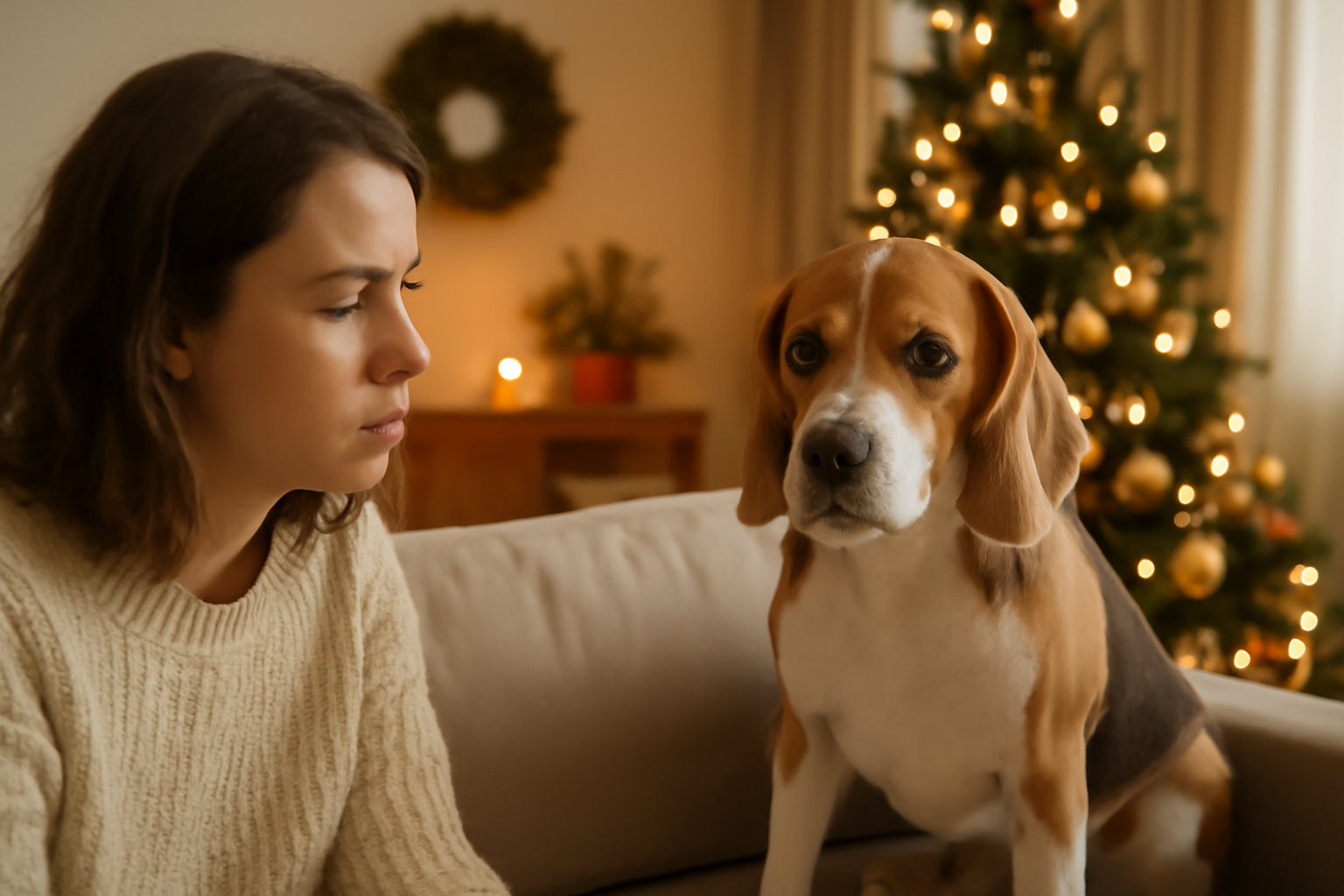
The holiday season is a magical time filled with joy, laughter, and, of course, lots of hustle and bustle. However, amidst the excitement of creating holiday memories with pets, it's easy to overlook how this festive chaos can affect our furry friends. Many pets experience heightened stress levels during the holidays, which can lead to anxiety and behavioral issues.
In this guide, we'll explore the reasons behind pet stress during the holidays, identify the symptoms to watch for, and provide practical solutions to ensure your pets feel secure and happy during this festive season.
Table of Contents
Understanding the Root Causes of Holiday Stress in Pets
To help our pets thrive during the holidays, it's essential to understand what triggers their stress. Here are some common factors: Joyful Ways to Celebrate Holidays with Your Pets.
1. Changes in Routine
Holidays often disrupt regular schedules. From changes in feeding times to altered walking routines, these shifts can confuse pets and lead to anxiety. Dogs and cats thrive on routine, and sudden changes can make them feel insecure. To minimize stress: avoiding holiday pitfalls.
- Try to maintain consistent feeding and walking times as much as possible.
- Gradually introduce any changes in routine a few days before the holiday to help your pet adjust.
- Consider creating a visual schedule for your pet, especially if you have multiple caregivers during the holidays.
Common mistakes include making abrupt changes to feeding schedules or exercise routines without giving your pet time to adapt. Always monitor your pet's behavior for signs of anxiety, such as excessive barking, hiding, or changes in appetite.
2. Increased Noise and Activity
The sounds of holiday music, laughter, and the clatter of guests can overwhelm sensitive pets. Loud noises, including fireworks or party sounds, can trigger fear responses in dogs and cats. To help your pet cope with increased noise levels:
- Create a quiet space where your pet can retreat during gatherings. This space should include their bed, favorite toys, and some calming music.
- Consider using white noise machines or calming soundtracks designed for pets to drown out disruptive sounds.
- Engage in quiet playtime with your pet during busy gatherings to help them feel secure and connected.
Be aware of the signs that your pet is feeling overwhelmed, such as pacing, whining, or trying to hide. Address these behaviors by providing them with safe zones and reassurance.
3. New Faces and Crowded Spaces
Bringing unfamiliar guests into the home can be unsettling for pets. Some may enjoy the attention, but others may feel threatened by the presence of strangers, leading to stress and anxiety. To ease your pet into social situations:
- Introduce your pet to guests gradually. Allow them to sniff and observe from a distance before engaging.
- Provide a safe area where your pet can retreat if they feel overwhelmed by the crowd.
- Encourage guests to interact with your pet calmly and quietly, allowing your pet to approach them at their own pace.
Common mistakes include forcing interactions between pets and guests or ignoring signs of distress. Always respect your pet's boundaries and allow them the choice to engage or withdraw.
4. Holiday Decorations and Hazards
Decorations, while festive, can pose risks to pets. Tinsel, ornaments, and other shiny objects can be tempting for curious animals. Additionally, holiday plants like poinsettias and mistletoe can be toxic if ingested, adding another layer of stress for pet owners. To keep your pet safe:
- Secure decorations out of reach of pets. Use pet-safe ornaments and avoid tinsel or small decorations that can be swallowed.
- Be aware of the plants you bring into your home. Opt for pet-safe options and keep toxic plants well out of reach.
- Consider using pet gates to restrict access to areas with decorations or to keep pets away from the Christmas tree.
Common mistakes include underestimating your pet's curiosity and failing to pet-proof your home adequately. Always supervise your pets around decorations to prevent accidents and stress.
Symptoms of Holiday Stress in Pets
Recognizing the signs of stress in your pets is the first step to helping them cope. Here are some common symptoms:
1. Behavioral Changes
Watch for changes in behavior, such as increased hiding, excessive barking, or signs of aggression. These can indicate that your pet is feeling overwhelmed. For example, if your normally sociable dog starts retreating to a quiet corner when guests arrive, it may be an indication that the holiday excitement is too much for them. Additionally, if your cat, who usually loves to play, becomes lethargic or irritable, this could also be a sign of stress. Keep a close eye on your pet's interactions with family members and guests, as sudden changes can be a strong indicator of discomfort.
2. Changes in Appetite
Some pets may eat less or refuse food altogether when stressed. Conversely, others might overeat as a coping mechanism. Monitor your pet's eating habits closely during this time. To help identify changes, consider keeping a food diary for your pet. Note down their usual eating patterns and any deviations you observe. If your pet is not eating, try offering their favorite treats or a special meal to entice them. On the other hand, if you notice your pet binge-eating, it may be wise to limit their access to food to prevent any adverse health effects.
3. Excessive Grooming or Chewing
Stress can manifest in physical ways, such as excessive grooming or chewing on furniture and toys. If you notice these behaviors, it could be a sign your pet is feeling anxious. For instance, dogs may start chewing on their paws or licking themselves until they develop hot spots, while cats might pull out their fur. To address this, provide your pet with appropriate outlets for their energy, such as chew toys or scratching posts. Additionally, consider establishing a calm environment with cozy spaces where they can retreat when they feel overwhelmed. If the behavior persists, consulting with a veterinarian or a pet behaviorist may be necessary to explore further solutions.
4. Changes in Bathroom Habits
Stress can lead to changes in your pet's bathroom habits. Some pets may have accidents in the house or start urinating more frequently, while others may become constipated or refuse to go outside. Pay attention to any shifts in their usual routine. If your dog suddenly starts having accidents indoors, it might be due to anxiety from holiday visitors or changes in their environment. To help manage this, ensure your pet has a quiet and safe area to retreat to, and maintain a consistent bathroom schedule. If problems persist, consider consulting your veterinarian for advice.
5. Physical Symptoms
In addition to behavioral signs, physical symptoms can also indicate stress in pets. Look for symptoms like excessive drooling, shaking, or changes in body posture. A stressed pet may have a lowered head, tucked tail, or flattened ears. If you notice any of these signs, try to create a more soothing atmosphere. Use calming aids like pheromone diffusers or anxiety wraps, and ensure your pet has a safe space to relax. Regular exercise can also help alleviate physical stress, so consider taking your dog for extra walks or engaging your cat in play to help them release pent-up energy.
6. Increased Vocalization
Some pets may express their stress through increased vocalization, such as barking, whining, or meowing. If your pet is more vocal than usual, it may be trying to communicate its discomfort. Pay attention to the context of these vocalizations. For example, if your dog barks excessively when guests arrive, it might be feeling anxious about the new people in its territory. To help reduce this behavior, try to desensitize your pet to the sounds and sights of holiday activity by gradually introducing them to the environment in a controlled manner. Reward them for calm behavior to reinforce positive responses.
Checklist for Identifying Stress Symptoms
- Monitor behavior for signs of withdrawal or aggression.
- Keep a food diary to track changes in appetite.
- Observe grooming habits for excessive licking or chewing.
- Watch for changes in bathroom habits, including accidents or reluctance to go outside.
- Look for physical signs such as shaking or drooling.
- Listen for increased vocalization or unusual sounds.
By being vigilant and attentive to these symptoms, you can better support your furry friends during the holiday season. Early recognition of stress can lead to timely interventions, ensuring that both you and your pets can enjoy a joyful and peaceful holiday experience.
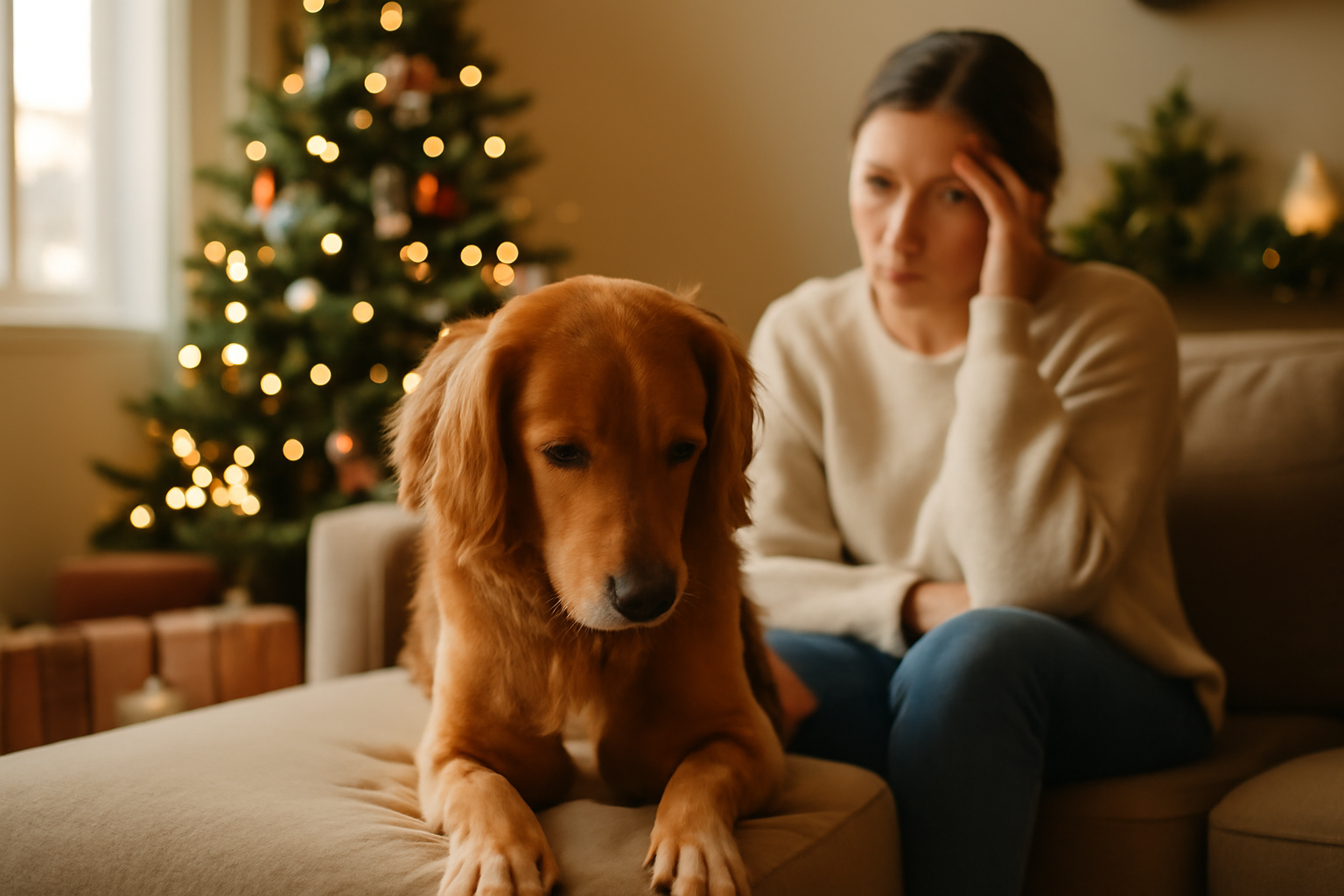
Quick Diagnosis: Identifying Stress Levels
When assessing your pet's stress levels, consider the following quick diagnostics:
- Monitor changes in behavior or routine.
- Observe their interactions with guests and new environments.
- Check for any physical symptoms, such as excessive licking or hiding.
Behavioral Changes to Look For
Behavioral changes can be one of the most telling signs that your pet is experiencing stress. Here are some specific behaviors to watch for:
- Increased Aggression: If your normally friendly pet suddenly becomes aggressive or defensive, it may be feeling threatened or anxious.
- Withdrawal: A stressed pet may isolate itself, spending more time hiding or avoiding interaction with family members.
- Excessive Barking or Whining: Vocalizations can indicate distress. Pay attention to when and why your pet is making these sounds.
- Destructive Behavior: Chewing furniture, scratching doors, or other destructive actions can be signs of anxiety.
Environmental Factors to Consider
Changes in your pet's environment can significantly impact their stress levels. Here are some factors to evaluate:
- New Guests: If you have visitors during the holidays, your pet might feel overwhelmed. Monitor how they react when new people enter the home.
- Altered Routines: Holiday festivities often disrupt daily routines. This can be unsettling for pets who thrive on consistency.
- Noise Levels: Increased noise from parties, decorations, or even fireworks can heighten stress. Observe if your pet seeks out quieter areas or appears agitated.
Physical Symptoms to Watch For
Physical symptoms can be strong indicators of stress in pets. Here are some signs to keep an eye on:
- Excessive Grooming: If your pet is licking or grooming itself excessively, it may be a coping mechanism for stress.
- Changes in Appetite: A stressed pet may eat less or more than usual. Monitor their food intake closely.
- Pacing or Restlessness: If your pet seems unable to settle down, pacing back and forth can be a sign of anxiety.
- Shaking or Trembling: Shaking can be a clear signal of fear or stress, especially in situations where they feel threatened.
Checklist for Quick Assessment
To help you quickly assess your pet's stress levels, use this handy checklist:
- Have you noticed any changes in your pet's eating or drinking habits?
- Is your pet seeking out hiding spots more frequently?
- Are they more vocal than usual, and in what contexts?
- Have they reacted differently to familiar guests or new visitors?
- Are there any physical signs like trembling, excessive grooming, or changes in bathroom habits?
Common Mistakes to Avoid
When diagnosing stress in pets, it's easy to overlook certain signs or misinterpret behaviors. Here are some common mistakes to avoid:
- Assuming Normal Behavior: Just because a behavior is typical doesn't mean it's not a sign of stress. Always consider the context.
- Ignoring Subtle Signs: Small changes can indicate larger issues. Don't dismiss minor behaviors that seem out of character.
- Failing to Communicate with Your Vet: If you notice concerning behaviors, discuss them with your veterinarian. They can provide insights and recommendations.
By being vigilant and aware of your pet's behavior, environment, and physical symptoms, you can better understand their stress levels during the holiday season. This proactive approach will not only help in identifying stress but also in finding ways to alleviate it, ensuring a more joyful holiday experience for both you and your furry friend.
Fix It Fast: Strategies to Alleviate Holiday Stress
Now that we understand the causes and symptoms of holiday stress, here are some effective strategies to help your pets feel more at ease:
1. Maintain Routine as Much as Possible
Try to keep feeding and walking schedules consistent. This familiarity can help your pets feel secure, even amidst the holiday chaos.
2. Create a Safe Space
Designate a quiet, comfortable area in your home where your pets can retreat when they feel overwhelmed. This space should be equipped with their favorite toys, blankets, and, if possible, some soothing music to help them relax.
3. Gradual Introductions to Guests
When hosting gatherings, introduce your pets to guests gradually. Allow them to sniff and explore at their own pace, rather than forcing interactions. This can help reduce anxiety and make them feel more comfortable.
4. Be Mindful of Holiday Decorations
Secure decorations that can be harmful to pets. Consider using pet-safe alternatives and keeping potentially hazardous items out of reach to prevent accidents and stress.
5. Use Calming Aids
Consider using calming products like pheromone diffusers, anxiety wraps, or natural supplements to help ease your pet's stress. Always consult your veterinarian before trying new products.
Celebrating Holidays with Pets: Inclusion is Key
One of the best ways to reduce pet stress during the holidays is through pet inclusion in celebrations. Here are a few ideas:
1. Pet-Friendly Activities
Involve your pets in holiday activities to make them feel included. Whether it's a special treat or a festive walk around the neighborhood, these moments can help them feel part of the celebration. Consider planning a few specific activities:
- Holiday-Themed Walks: Dress your pet in festive attire and take them for a stroll in your neighborhood. You can even create a scavenger hunt for them to find holiday-themed items like pine cones or ornaments.
- Decorate Together: Let your pet help with decorating the house. Use non-toxic, pet-safe decorations, and allow your furry friend to explore the new sights and smells. Just keep an eye on any items that could be hazardous.
- Host a Pet-Friendly Gathering: If you have friends or family with pets, consider hosting a holiday get-together where pets are welcome. Set up a designated play area and provide treats and toys for all the furry guests.
2. Special Gifts for Your Furry Friends
Gifting your pets with new toys, treats, or cozy apparel can brighten their holiday experience. Choose items that cater to their preferences and help them feel loved during this busy time. Here are some gift ideas to consider:
- Interactive Toys: Look for toys that stimulate your pet's mind, such as puzzle feeders or treat-dispensing balls. These can keep them engaged and reduce stress.
- Comfort Items: A new bed or blanket can provide a cozy retreat for your pet amidst the holiday chaos. Consider items that are soft and warm, perfect for snuggling.
- Personalized Gifts: Custom items, like a collar with their name or a personalized ornament featuring their photo, can make your pet feel special and included in the holiday spirit.
3. Capture the Moments
Take photos of your pets participating in holiday festivities. Celebrating holidays with pets not only creates lasting memories for you but also reassures your furry friends that they are valued members of the family. To make the most of your holiday photography, consider these tips:
- Set the Scene: Create a festive backdrop with holiday decorations to enhance your photos. A well-lit area with decorations can make for great pictures.
- Include Props: Use holiday-themed props like Santa hats or reindeer antlers. Just ensure your pet is comfortable wearing them and doesn't feel restricted.
- Be Patient: Pets may not always cooperate, so take your time. Use treats or toys to get their attention and capture candid moments of joy.
By including your pets in holiday celebrations, you not only reduce their stress but also enhance the joy of the season for everyone involved. Remember, the holidays are about togetherness, and pets are an integral part of the family!
Conclusion: Take Action for a Stress-Free Holiday
To ensure your pets enjoy a stress-free holiday season, start by observing their behavior and making necessary adjustments to your plans. Keeping routines consistent and providing a safe space can significantly reduce their anxiety. Including them in celebrations in a thoughtful way can help alleviate stress and enhance their enjoyment of special moments. Remember, a little extra care goes a long way in keeping your furry friends happy during the holidays.
Practical Steps to Ensure Pet Comfort
Here are some actionable steps you can take to create a more comfortable environment for your pets during the holiday season:
- Maintain Their Routine: Try to stick to your pet's regular feeding and walking schedule as closely as possible. Dogs thrive on routine, and keeping their daily habits consistent can help them feel secure.
- Create a Safe Space: Designate a quiet area in your home where your pets can retreat if they feel overwhelmed. This could be a cozy corner with their bed, favorite toys, and some calming music. Consider using a baby gate to keep them safe from the hustle and bustle.
- Introduce Changes Gradually: If you plan to change your pet's environment, such as introducing new decorations or a tree, do so gradually. Allow them to explore new items at their own pace to reduce anxiety.
- Provide Enrichment Activities: Keep your pets entertained with interactive toys, puzzle feeders, or new games. This distraction can help them cope with the changes happening around them.
- Monitor Their Behavior: Keep an eye on your pet's body language. Signs of stress, such as excessive barking, hiding, or changes in eating habits, should be addressed promptly. If you notice these signs, take a step back and adjust your plans accordingly.
Including Your Pets in Celebrations
Including your pets in holiday celebrations can be a joyful experience for everyone involved, but it requires some planning:
- Pet-Friendly Gatherings: If hosting a holiday party, consider making it pet-friendly. Inform your guests about your pets and their needs, and ensure that there are safe areas for them to relax away from the crowd.
- Festive Attire: Dress your pets in comfortable holiday-themed gear, such as bandanas or sweaters, to include them in the festivities. Ensure that any clothing is non-restrictive and doesn't cause them discomfort.
- Special Treats: Prepare some pet-safe holiday treats to share with your furry friends. This can be a fun way to include them in the celebration while ensuring they enjoy the festivities.
- Capture the Moments: Take photos with your pets during holiday gatherings. This not only creates lasting memories but also helps you to focus on their well-being during the busy times.
Common Mistakes to Avoid
While preparing for the holidays, it's easy to overlook your pet's needs. Here are some common mistakes to avoid:
- Overstimulation: Avoid overwhelming your pets with too many guests or loud celebrations. If they seem anxious, give them a break in their safe space.
- Neglecting Their Needs: Don't forget to prioritize your pet's needs amidst the holiday chaos. Make sure they have access to food, water, and regular bathroom breaks.
- Ignoring Signs of Stress: Pay attention to changes in your pet's behavior. Ignoring signs of stress can lead to more serious issues, including aggression or health problems.
- Forgetting Their Safety: Keep harmful decorations, like tinsel and certain holiday plants, out of reach. Ensure that your pets cannot access any potentially dangerous items during the festivities.
By taking these steps, you can create a holiday environment that is enjoyable for both you and your pets. With some planning and consideration, you can ensure that your furry companions feel loved and secure, allowing everyone to enjoy the holiday season to the fullest.


