

How to Travel with Your Dog: A Complete Guide
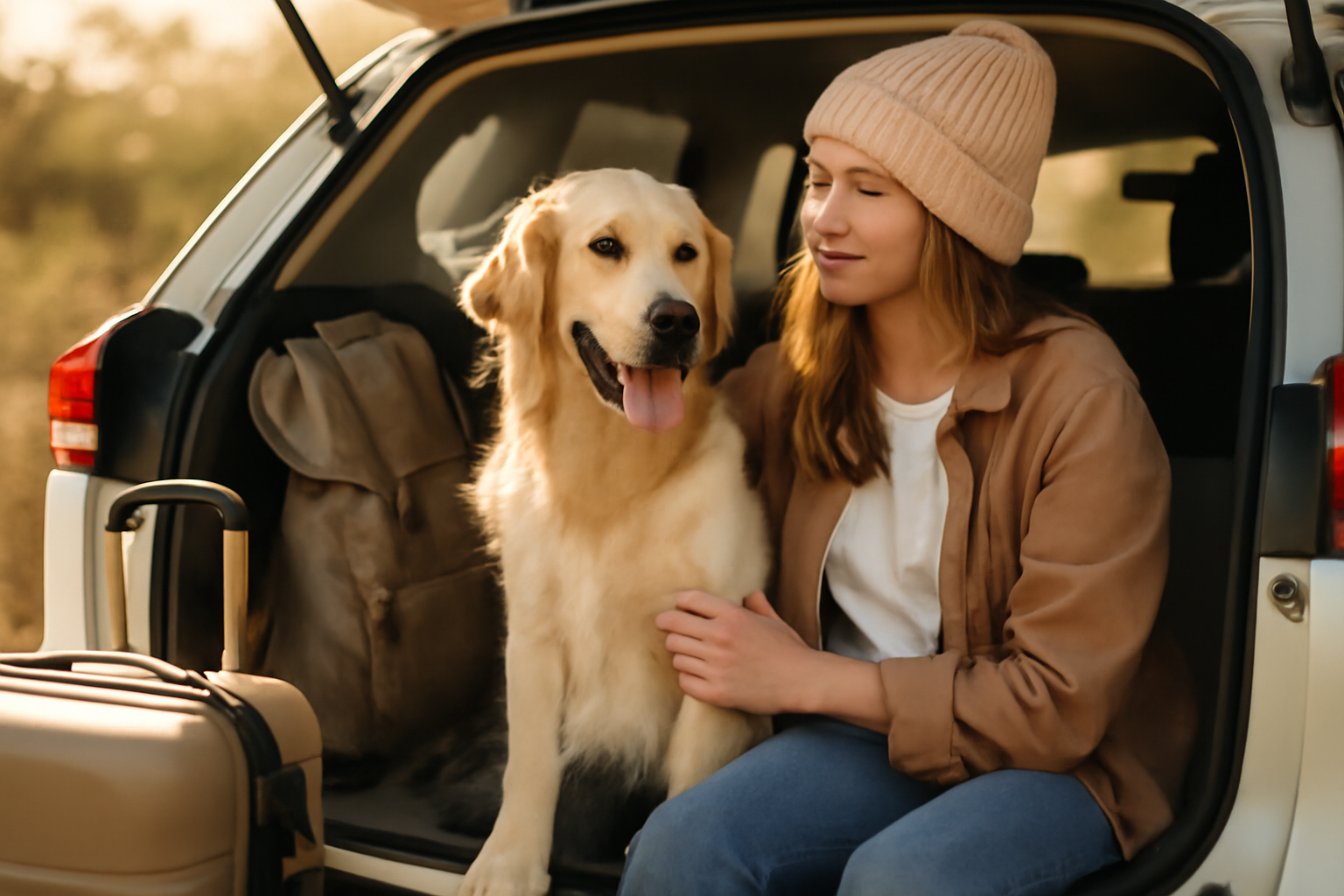
Traveling with your furry friend can be one of the most rewarding experiences, filled with adventures and unforgettable memories. However, it also requires planning and preparation to ensure both you and your pup have a seamless trip. This guide will walk you through essential tips for traveling with your dog, from packing to finding dog-friendly accommodations.
Whether you're hitting the road for a weekend getaway or embarking on a cross-country trip, understanding your dog's needs and preferences is vital. Let's dive into the steps that will help you create a smooth travel experience for both of you!
Table of Contents
- Step 1: Prepare Your Dog for Travel
- Step 2: Pack Essentials for Your Dog
- Step 3: Choose Dog-Friendly Accommodations
- Step 4: Plan Your Itinerary
- Step 5: Keep Your Dog Comfortable During Travel
- Step 6: Monitor Your Dog's Behavior
- Step 7: Enjoy the Experience Together
- Conclusion: Start Planning Your Next Adventure!
Step 1: Prepare Your Dog for Travel
Before you embark on your journey, it's important to prepare your dog for the experience. This includes getting them comfortable with traveling, especially if they're not used to it. Celebrate the Holidays with Your Furry Friends: Ultimate Dog-Friendly Holiday Ideas.
Take Short Trips First
Start with short car rides to see how your dog reacts. Gradually increase the duration of these trips to help them acclimate to longer journeys. Bring along their favorite toys or blankets to create a familiar environment.
Visit the Vet
A trip to the veterinarian is crucial. Ensure your dog is up to date on vaccinations and discuss any potential health issues that could arise during your travels. If you're traveling to a different state or country, ask about specific health requirements.
Step 2: Pack Essentials for Your Dog
Packing the right supplies for your dog will make the journey more enjoyable for both of you. Here's a checklist of must-have items:
- Dog food and water
- Food and water bowls
- Leash and harness
- Dog bed or blanket
- Toys for entertainment
- Doggy waste bags
- First-aid kit
Consider Safety Gear
For longer trips, you might also want to invest in a dog seatbelt or a travel crate to keep your pup safe and secure while on the road. A dog seatbelt can help prevent distractions and protect your furry friend in case of sudden stops. Make sure to choose one that is adjustable and fits your dog's size comfortably.
Food and Water Considerations
When packing food and water, consider your dog's dietary needs and any potential changes in their routine. Here are a few tips:
- Portion Control: Pre-pack your dog's meals in individual containers or resealable bags to avoid overfeeding and ensure you have enough for the entire trip.
- Water Supply: Bring a collapsible water bowl that is easy to store and fill. Make sure to stop frequently to offer your dog water, especially on hot days.
- Travel-Friendly Treats: Pack some of your dog's favorite treats to reward good behavior during the journey and to keep them motivated.
Comfort Items
Creating a comfortable environment for your dog can significantly reduce travel anxiety. Consider the following:
- Familiar Items: Bring along their favorite blanket or a piece of your clothing. Familiar scents can help soothe your dog during travel.
- Dog Bed: A portable dog bed or a blanket can provide a cozy spot for your pup to rest during breaks.
Entertainment Options
Long trips can be boring for dogs, so it's essential to keep them entertained. Here are some ideas:
- Interactive Toys: Consider packing toys that engage your dog mentally, such as puzzle toys or treat-dispensing balls.
- Chew Toys: Durable chew toys can keep your dog occupied and help reduce anxiety during travel.
- Downloadable Content: If your dog enjoys watching videos, consider downloading some pet-friendly shows or movies on your device to play during breaks.
Health and Safety Essentials
In addition to a first-aid kit, ensure that you have the following health and safety items:
- Medications: If your dog takes any medications, be sure to pack enough for the duration of your trip, along with dosage instructions.
- Vaccination Records: Keep a copy of your dog's vaccination records handy, especially if you are traveling across state lines or to dog-friendly accommodations.
- Microchip Information: Ensure your dog's microchip information is up to date in case they get lost during your travels.
Common Mistakes to Avoid
When packing for your dog, be mindful of these common pitfalls:
- Overpacking: While it's essential to be prepared, overpacking can lead to unnecessary stress and clutter. Stick to the essentials and consider your dog's specific needs.
- Forgetting Identification: Always ensure your dog has a collar with an ID tag that includes your contact information. A microchip is also a great backup.
- Neglecting Breaks: Don't forget to plan for regular breaks during your journey. This will give your dog a chance to stretch, relieve themselves, and hydrate.
By carefully considering what to pack for your dog, you can ensure a smoother and more enjoyable travel experience for both of you. Happy travels!
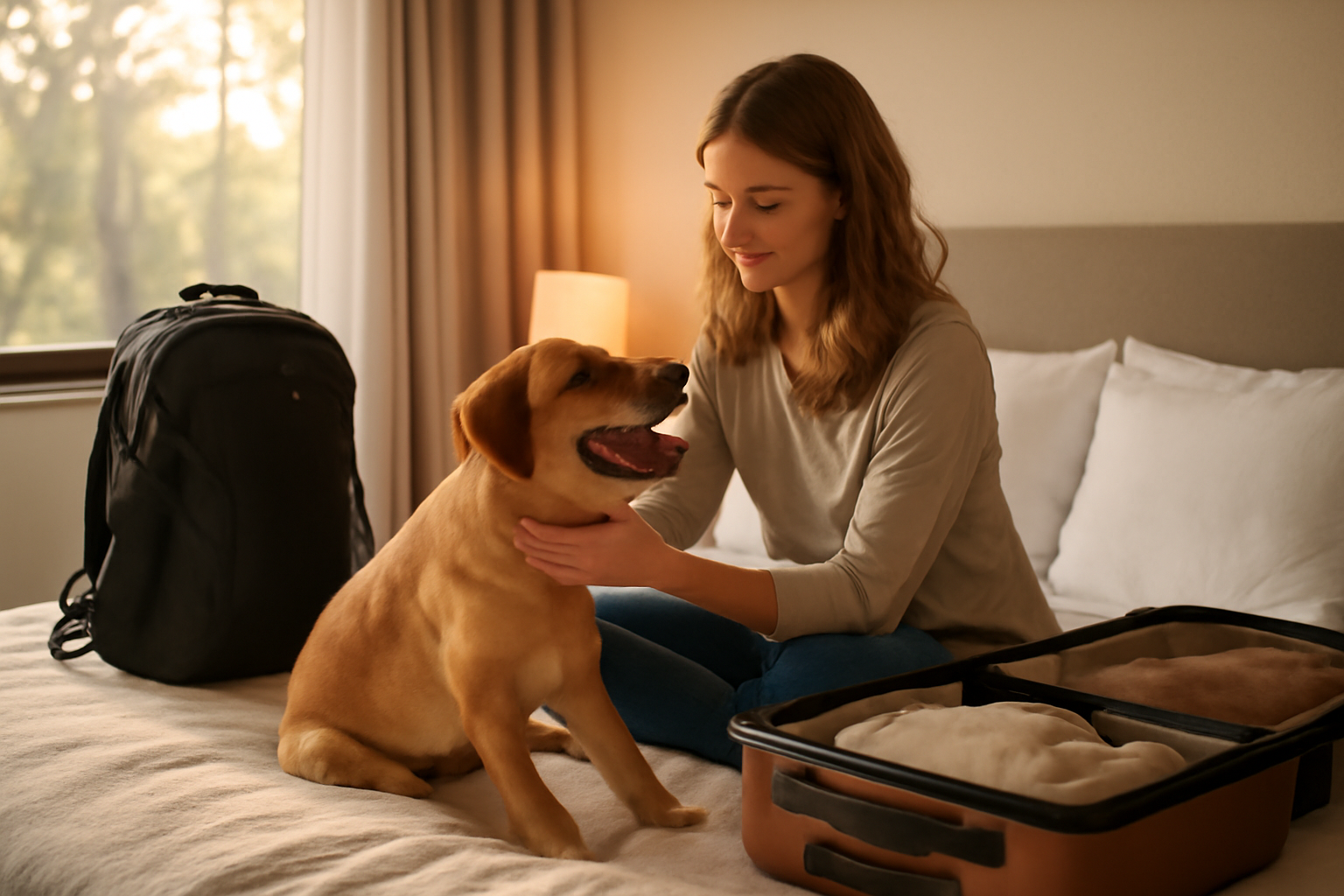
Step 3: Choose Dog-Friendly Accommodations
Finding the right place to stay is crucial for a successful trip. Here are some tips for finding dog-friendly accommodations:
Research Ahead of Time
Not all hotels and lodges are pet-friendly. Use online resources or apps dedicated to finding dog-friendly places. Look for accommodations that specifically mention their pet policies, fees, and any restrictions.
Check for Amenities
Some hotels offer pet amenities such as dog parks, pet-sitting services, or special treats. These can enhance your experience, so choose a place that caters to your pet's needs.
Step 4: Plan Your Itinerary
Planning your itinerary with your dog in mind will help ensure everyone has a good time. Consider dog-friendly activities and places to visit during your trip.
Dog-Friendly Attractions
Research parks, beaches, and trails where dogs are welcome. Many cities have dog-friendly cafes and restaurants, so make a list of places where you can dine with your furry friend.
Dog-Friendly Holiday Celebrations
If your travels coincide with any holiday celebrations, look for events that welcome pets. This can add a fun twist to your trip and make celebrating with furry friends even more special!
Step 5: Keep Your Dog Comfortable During Travel
During the journey, your dog's comfort is paramount. Here are some tips to keep them happy:
Regular Breaks
Plan to take breaks every couple of hours. This gives your dog a chance to stretch, relieve themselves, and explore new surroundings. Make these stops a fun part of the journey! Here's how to make the most of your breaks:
- Choose Dog-Friendly Stops: Look for parks or rest areas that are dog-friendly. This not only allows your pup to stretch their legs but also provides a change of scenery.
- Engage in Play: Bring along a favorite toy or ball to play with during breaks. A quick game of fetch can help burn off excess energy and keep your dog happy.
- Sniff and Explore: Allow your dog to sniff around and explore. This can be mentally stimulating for them and helps them feel more comfortable.
- Check for Needs: Use this time to check if your dog needs food, water, or a bathroom break. A well-timed stop can prevent discomfort later on.
Hydration and Food
Ensure your dog stays hydrated, especially on hot days. Offer them water regularly, and stick to their feeding schedule as closely as possible to avoid any tummy troubles. Here are some practical tips:
- Portable Water Bowls: Invest in a collapsible water bowl that's easy to carry. This makes it simple to provide water during breaks without hassle.
- Frequent Water Offers: Offer your dog water every time you stop, even if they don't seem thirsty. Dogs can get dehydrated quickly, especially in a moving vehicle.
- Stick to Their Diet: Avoid introducing new foods during travel, as this can upset their stomach. Bring their regular food and stick to familiar treats.
- Small Meals: Consider feeding smaller meals more frequently rather than one large meal. This can help prevent car sickness and keep their energy levels stable.
Comfortable Space
Creating a comfortable space for your dog in the vehicle can make a significant difference in their travel experience. Here's how to ensure they have a cozy spot:
- Dog Seat Cover: Use a dog seat cover to protect your car and provide a soft surface for your dog to sit on. Look for covers with non-slip backing to keep them secure.
- Familiar Items: Bring along your dog's favorite blanket or bed. Familiar smells can help them feel more at ease during the ride.
- Safety First: Use a dog seat belt or crate to keep your dog secure. This not only keeps them safe but also prevents them from moving around too much, which can cause anxiety.
Temperature Control
Maintaining a comfortable temperature in the vehicle is essential for your dog's well-being. Here are some tips to regulate the temperature:
- Climate Control: Keep the air conditioning on during hot days and the heat on during cold weather. Ensure your dog is comfortable and not overheating.
- Ventilation: Crack the windows slightly for ventilation, but never leave your dog unattended in a parked car, as temperatures can rise rapidly.
- Blankets for Warmth: If traveling in cooler weather, bring along a blanket to keep your dog warm. Ensure they can move around freely but have the option to snuggle up.
Calm Environment
A calm environment can help reduce anxiety for your dog during travel. Here are some strategies to create a soothing atmosphere:
- Soothing Music: Consider playing soft music or calming sounds during travel. This can help create a peaceful ambiance and reduce stress.
- Familiar Voices: If traveling with multiple people, keep the conversation calm and soothing. Your dog may feel more secure hearing familiar voices.
- Avoid Distractions: Limit loud noises and sudden movements within the vehicle. A stable environment can help your dog relax.
By taking these steps to ensure your dog's comfort during travel, you'll create a more enjoyable experience for both of you. Remember, a happy dog makes for a happy journey!
Step 6: Monitor Your Dog's Behavior
During travel, closely observe your dog's behavior. Signs of stress can include excessive barking, whining, or panting. Understanding these signals is crucial for ensuring a safe and enjoyable trip for both you and your furry friend.
Calming Techniques
If your dog seems anxious, try calming techniques like playing soothing music or using a calming spray. Familiar items like blankets or toys can also provide comfort. Here are some additional techniques to consider:
- Deep Breathing: Take a moment to breathe deeply and calmly. Dogs can sense their owner's stress, so remaining calm can help soothe them.
- Massage: Gentle petting or massage can help relax your dog. Focus on areas like the neck and back, where tension often builds.
- Positive Reinforcement: Reward calm behavior with treats or praise. This can help your dog associate travel with positive experiences.
- Calming Products: Consider using calming collars or anxiety wraps designed to provide gentle pressure, mimicking a hug.
Know When to Stop
If your dog appears overly stressed or uncomfortable, don't hesitate to stop and reassess the situation. Their well-being should always come first. Here are some signs to look for that may indicate it's time for a break:
- Panting: While panting can be normal, excessive panting can signal distress.
- Restlessness: If your dog is unable to settle down or keeps changing positions, it may be a sign of anxiety.
- Refusal to Eat or Drink: If your dog refuses food or water during travel, this could indicate stress.
- Excessive Barking or Whining: While some vocalization is normal, excessive noise can indicate discomfort.
When you notice these signs, find a safe place to pull over, allowing your dog to stretch their legs and relieve themselves. Use this time to assess their needs-do they need a drink, a snack, or a little playtime? This break can make a significant difference in their comfort level.
Creating a Comfortable Space
Ensuring your dog has a comfortable space during travel can help minimize stress. Here are some tips:
- Secure Crate or Harness: Use a well-ventilated crate or a dog seatbelt to keep your dog safe. Make sure it's a space they feel secure in.
- Familiar Bedding: Place their favorite blanket or bed in the crate or vehicle. Familiar scents can provide a sense of security.
- Temperature Control: Keep the car at a comfortable temperature. Dogs can easily overheat, so ensure they have access to cool air and water.
Post-Travel Assessment
Once you reach your destination, take a moment to observe your dog's behavior again. Look for any lingering signs of stress or discomfort. Here are some ways to help them settle in:
- Provide a Safe Space: Set up a quiet area where your dog can retreat to if they feel overwhelmed.
- Routine: Try to stick to your dog's regular routine as much as possible, including feeding times and walks.
- Monitor Playtime: If you're visiting friends or family, ensure there are no overly energetic or aggressive dogs that could stress your pup.
By keeping a close eye on your dog's behavior throughout your journey and providing the necessary support, you can help ensure a positive travel experience for both of you. Remember, a happy dog makes for a happy trip!
Step 7: Enjoy the Experience Together
Finally, remember that traveling is an adventure meant to be enjoyed. Take the time to appreciate the new sights, sounds, and experiences alongside your furry companion. This shared experience can strengthen your bond and create joyful memories that last a lifetime.
Create Lasting Memories
Capture moments along the way with photos or a travel journal. Sharing your adventures with others can inspire fellow dog lovers to embark on their own journeys. Here are some practical tips to help you document your travels:
- Photography Tips: Invest in a good camera or use your smartphone to take high-quality photos. Capture candid moments of your dog exploring new environments, interacting with locals, or simply enjoying a beautiful sunset. Try to get a mix of wide shots that show the scenery and close-ups that capture your dog's personality.
- Travel Journal: Consider keeping a travel journal where you jot down your daily experiences, your dog's reactions to new places, and any funny or memorable moments. This can be a fun way to reminisce about your trip later and can also serve as a guide for future travels.
- Social Media Sharing: Create an Instagram or Facebook album dedicated to your travels with your dog. Use hashtags like #TravelingWithDogs or #DogAdventures to connect with other pet lovers and share your experiences. This not only helps you keep a record but also builds a community around shared interests.
Engage in Fun Activities
While traveling, make sure to engage in activities that both you and your dog can enjoy. Here are some ideas:
- Hiking: Explore local trails that are dog-friendly. This allows your dog to experience nature while getting some exercise. Always check the trail rules to ensure dogs are allowed, and bring plenty of water and snacks for both of you.
- Dog Parks: Look for local dog parks where your pup can run off-leash and socialize with other dogs. This can be a great way for your dog to burn off some energy and meet new friends.
- Pet-Friendly Attractions: Research pet-friendly attractions in the area, such as beaches, parks, or even certain restaurants. Many places now welcome dogs, offering outdoor seating or even special dog menus.
Reflect on Your Journey
After your trip, take some time to reflect on the experience. Consider the following:
- What Worked Well: Think about the aspects of your trip that you and your dog enjoyed the most. Was it the long walks, the cozy accommodations, or the new friends you made?
- What Could Be Improved: Identify any challenges you faced. Perhaps your dog was nervous in new environments, or you found certain accommodations weren't as pet-friendly as advertised. Use these insights to make future trips even better.
- Plan Your Next Adventure: Use what you've learned to start planning your next trip. Consider trying a different destination or exploring new activities that both you and your dog can enjoy together.
Ultimately, traveling with your dog should be a joyful and enriching experience for both of you. By taking the time to enjoy the journey, you not only create lasting memories but also deepen the bond you share with your furry friend. So pack your bags, grab that leash, and hit the road for your next adventure together!
Conclusion: Start Planning Your Next Adventure!
Traveling with your dog can be a delightful experience if you take the time to prepare. Start by following these steps, and soon you'll be hitting the road with your best friend. So, gather your supplies, plan your itinerary, and set off for an adventure full of joy and wagging tails!
Essential Steps for a Smooth Journey
Before you embark on your adventure, make sure to check off these essential steps to ensure a smooth journey with your furry companion:
- Vet Check-Up: Schedule a visit to your veterinarian to ensure your dog is healthy and up to date on vaccinations. Ask for a health certificate if you plan to travel across state lines.
- Pack a Travel Kit: Include food, water, bowls, leash, waste bags, grooming supplies, and any medications your dog may need. Don't forget a few of their favorite toys to keep them entertained!
- Identification: Ensure your dog has a collar with an ID tag that includes your contact information. Microchipping is also a great option for added security.
- Plan Your Route: Research pet-friendly accommodations and rest stops along your journey. Websites and apps dedicated to dog-friendly travel can be invaluable.
Checklist for Traveling with Your Dog
Use this handy checklist to ensure you have everything you need for a successful trip:
- Food and water (enough for the duration of the trip)
- Travel bowls
- Leash and harness
- Waste bags
- First aid kit
- Dog bed or blanket
- Favorite toys
- Grooming supplies
- Dog treats
- Emergency contact information
- Copy of vaccination records
Avoid Common Mistakes
Even the most seasoned dog travelers can make mistakes. Here are some common pitfalls to avoid:
- Not Preparing Your Dog: Make sure your dog is accustomed to car rides before a long journey. Take them on shorter trips to get them comfortable.
- Ignoring Safety: Never allow your dog to roam freely in the vehicle. Use a dog seatbelt or a travel crate for their safety.
- Forgetting Breaks: Plan to take regular breaks during your travels. This allows your dog to stretch, relieve themselves, and hydrate.
- Neglecting Weather Conditions: Be mindful of the weather. Ensure your dog is comfortable in hot or cold conditions and have appropriate gear if necessary.
Embrace the Adventure!
Traveling with your dog opens up a world of adventure and bonding opportunities. Whether you're hiking through national parks, lounging on the beach, or exploring new cities, the memories you'll create together will be priceless. So, grab your pup, pack your bags, and get ready for an unforgettable journey!


